
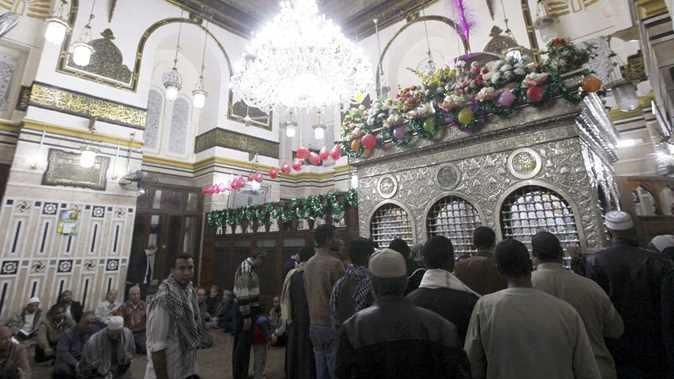

Is Visiting the Shrines of Ahl al-Bayt and the Righteous Permissible in Islam?
As Muslims prepare for the 2026 Mawlid al-Nabi (Prophet Muhammad's Birthday), many ask about the Islamic ruling on visiting the shrines of Ahl al-Bayt and righteous individuals. Egypt's Dar Al-Ifta has reaffirmed that visiting graves, including those of the Prophet's family, is permissible when conducted according to Islamic teachings.
Islamic Ruling on Visiting Ahl al-Bayt Shrines
Dar Al-Ifta stated that visiting the graves of Ahl al-Bayt, saints, and righteous people is a permissible practice recognized by the majority of Muslim scholars. It cited the Prophet Muhammad ﷺ, who said: "Visit the graves, for they remind you of the Hereafter." The institution explained that visiting the graves of the Prophet's family reflects love, respect, and appreciation for his relatives.
The Status of Ahl al-Bayt in Islam
Dar Al-Ifta referred to the narration of Zayd ibn Arqam in which the Prophet ﷺ said: "I remind you of Allah regarding my family (Ahl al-Bayt)." This hadith highlights the special status of the Prophet's family and encourages Muslims to honor and love them.
Evidence from the Sunnah
Dar Al-Ifta noted that the Prophet ﷺ visited his mother's grave, as reported in Sahih Muslim, demonstrating the permissibility of visiting graves. The Companions and early generations of Muslims continued this practice, which has remained accepted throughout Islamic history.
Purpose of Visiting the Shrines
According to Dar Al-Ifta, the objectives include: Remembering the Hereafter. Praying for the deceased. Reflecting on the lives of righteous people. Expressing love for Ahl al-Bayt. Following proper Islamic etiquette during the visit. The institution stressed that visitors must avoid practices that contradict Islamic beliefs.
Is Visiting the Shrines an Innovation (Bid'ah)?
Dar Al-Ifta emphasized that describing the visitation of Ahl al-Bayt's shrines as an innovation (Bid'ah) or shirk contradicts the opinion of the majority of Muslim scholars. It explained that when the visit is free from prohibited practices and intended for remembrance, supplication, and expressing love for the Prophet's family, it is considered a permissible and rewarding act of worship.
Is visiting the shrines of Ahl al-Bayt permissible?
Yes. Dar Al-Ifta states that it is permissible when performed according to Islamic guidelines.
What is the purpose of visiting these shrines?
To remember the Hereafter, pray for the deceased, and express love and respect for the Prophet's family.
Is visiting saints' shrines considered shirk?
According to Dar Al-Ifta, the visit itself is neither shirk nor an innovation if it is free from prohibited practices.
What evidence supports visiting graves?
The Prophet ﷺ said, "Visit the graves, for they remind you of the Hereafter," and he himself visited his mother's grave.




