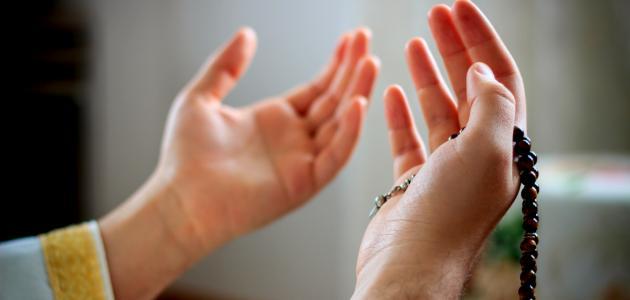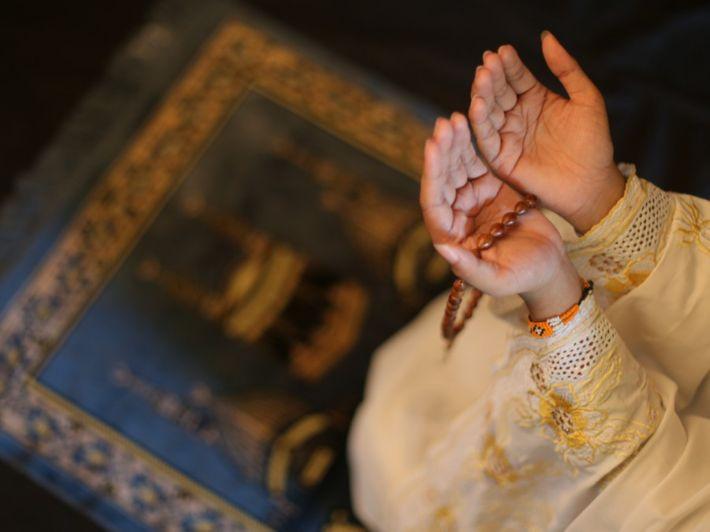

Seeing Isha prayer in a dream is often associated with peace, protection, relief, and the end of a difficult period.
Because Isha is the final obligatory prayer of the day, its appearance in a dream may symbolically represent closure, completion, and moving from hardship toward greater calm.
The interpretation can vary depending on the dreamer's circumstances and the details of the prayer.
Interpretation of Isha Prayer in a Dream
Seeing yourself performing Isha prayer may symbolize the disappearance of worries and problems and the beginning of a more stable period.
The dream may also represent completing an important matter or reaching a goal that the dreamer has been waiting for.
If the prayer is performed calmly and with devotion, it may reflect inner peace and a desire to strengthen one's spiritual connection.
Isha Prayer With Shaf and Witr
Seeing Isha followed by Shaf and Witr prayers may symbolize completion, goodness, improved circumstances, and progress toward an important goal.
It can also reflect greater spiritual awareness and emotional stability, particularly when the dream is accompanied by feelings of peace.
Isha Prayer in a Dream for a Man
For a man, performing Isha prayer in a dream may indicate goodness, provision, and an improvement in his circumstances.
It may also symbolize the end of a stressful period and the beginning of greater stability.
However, praying in a direction opposite the Qiblah may represent confusion, shortcomings, or a need to reconsider certain actions and decisions.
Praying in an inappropriate place may likewise carry an unfavorable symbolic meaning related to behavior or personal conduct.
Isha Prayer in a Dream for a Married Woman
For a married woman, seeing herself performing Isha prayer may symbolize stability, provision, and improvement within her family life.
The dream may also be associated with the disappearance of disagreements and the arrival of happier news.
In some interpretations, it can represent protection, reassurance, or the fulfillment of a long-awaited wish. However, a dream alone cannot guarantee that a specific event will occur.
Isha Prayer in a Dream for a Single Woman
If a single woman sees herself performing Isha prayer, the dream may symbolize the fulfillment of a wish or the beginning of a new stage in her life.
Some interpretations associate this vision with marriage, particularly when the dreamer is already thinking about commitment and the prayer is accompanied by peace and devotion.
Waking up to sunlight after such a dream may symbolically suggest hope, clarity, and progress toward personal goals.
Isha Prayer in a Dream for a Pregnant Woman
For a pregnant woman, performing Isha prayer in a dream may reflect her need for reassurance and emotional security as childbirth approaches.
The dream may symbolize the end of a tiring stage and the beginning of a new period, particularly when the prayer is accompanied by calmness and devotion.
Dream interpretation, however, should not be treated as a precise method for predicting the date of birth or the baby's condition.
Dream Interpretation of Taraweeh and Isha Prayer
Seeing Taraweeh prayer in a dream may symbolize worship, protection, peace, and emotional improvement.
If the dreamer experiences devotion during Taraweeh, the vision may reflect inner tranquility, purity, and a desire for spiritual reassurance.
Seeing Taraweeh together with Isha may also symbolize a calmer period and a stronger desire to draw closer to God.
Isha Prayer Without a Clear Qiblah
Seeing yourself performing Isha prayer without knowing the exact direction of the Qiblah may symbolize confusion or uncertainty about an important matter in life.
In some interpretations, praying away from the Qiblah may represent shortcomings or moving away from what is right.
For an unmarried person, however, the dream may sometimes symbolize a transition into a new stage of life, including marriage, depending on the other details of the dream.
Isha Prayer in a Dream for a Divorcee or Widow
If a divorced woman or widow sees herself performing Isha prayer, the dream may symbolize protection, relief, and the end of a period of sadness or pressure.
If a table filled with food appears alongside the prayer, it may symbolize improved circumstances, increased provision, and the fulfillment of certain wishes.
For a divorced woman, the vision may represent a new beginning, while for a widow it may reflect patience, dignity, and protection.
Isha Prayer in a Dream for a Young Man
For a young man, seeing himself perform Isha prayer may symbolize increased provision and improved circumstances.
The dream may also be associated with progress in marriage or finding a suitable partner, particularly if marriage is already on his mind.
Praying away from the Qiblah may instead symbolize mistakes, shortcomings, or the need for self-reflection, while correct prayer accompanied by devotion may represent stability and peace.
What Does Isha Prayer in a Dream Generally Mean?
Overall, Isha prayer in a dream may symbolize relief, protection, peace, the end of difficulties, and improved circumstances.
However, dream interpretation is not identical for everyone. The Qiblah, location of prayer, emotional state during the dream, and the dreamer's social circumstances can all influence the possible meaning.
Is seeing Isha prayer in a dream a good sign?
It may symbolize relief, peace, and improved circumstances, depending on the details of the dream.
What does Isha prayer mean in a man's dream?
It may indicate provision and easier circumstances, while praying away from the Qiblah may reflect confusion or shortcomings.
What does Isha prayer mean for a single woman?
It may symbolize the fulfillment of a wish or a new stage of life and may sometimes be associated with marriage.
What does Isha prayer mean for a married woman?
It may represent family stability, relief from worries, and improved circumstances.
What does praying away from the Qiblah mean in a dream?
It may symbolize confusion, shortcomings, or moving away from what is right, depending on the overall context of the dream.