Egypt’s Ministry of Awqaf Opens Applications for Islamic Culture Centers 2026-2027
Egypt’s Ministry of Awqaf has opened applications for the 2026-2027 academic year at Islamic Culture Centers, announcing admission requirements, fees, study schedules and exams.
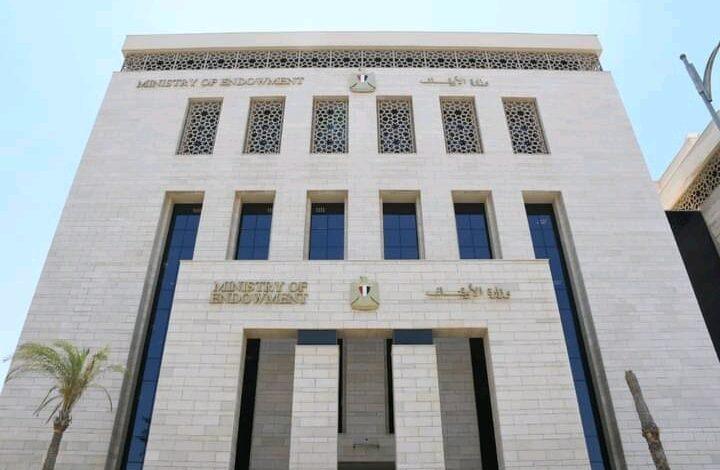
Egypt’s Ministry of Awqaf has announced the opening of applications for the new intake at Islamic Culture Centers for the 2026-2027 academic year. The ministry also announced plans to organize free scientific and educational courses for the public across different governorates as part of its efforts to promote informed religious culture and moderate Islamic thought. The free courses will cover various topics related to Islamic Sharia and its sciences and will be delivered by specialized scholars and experts. Further details will be announced by the ministry in the coming period.
Application Requirements for Islamic Culture Centers
The Ministry of Awqaf stated that applications are open to applicants who hold a university degree from an accredited higher-education institution. The main study program lasts two academic years, followed by a third year. The third year is a requirement for those seeking to apply for positions as compensated preachers or accredited female religious guides when such positions are needed.
Study Schedule
Classes are held during the evening, with four hours of study per day, two days a week for each academic group, according to schedules approved by the ministry.
Islamic Culture Center Fees for 2026-2027
The ministry has set the annual tuition fee at EGP 300 per academic year. Students must also maintain an attendance rate of at least 60% in order to be eligible to sit for examinations.
Fee Exemptions
The ministry stated that people with disabilities are exempt from tuition fees. Applicants with approved exceptional circumstances may also receive an exemption after obtaining approval from the relevant administration.
How to Apply to Islamic Culture Centers
Applications will remain open for 16 days from the date announced by the Ministry of Awqaf. Applicants can apply through either of the following methods: Online through the application link announced by the Ministry of Awqaf. In person by submitting a paper application at the center where the applicant wishes to study, according to the addresses listed in the ministry’s official announcement.
Required Documents
Applicants are required to submit basic documents during the application process, including: A copy of the academic qualification. A copy of the national ID card. After admission, applicants must complete the remaining required information and paperwork at the relevant center.
Admission Tests for Islamic Culture Centers
The admission process includes written assessments and interviews designed to evaluate applicants’ qualifications and suitability.
Quran Test
Applicants will be tested on a designated portion of the Holy Quran, according to the ministry’s requirements.
Islamic Worship Jurisprudence
The admission test also includes questions covering Fiqh of acts of worship, an important component of the Islamic Culture Center curriculum.
Personal Assessment
Applicants will also undergo an assessment of their personal characteristics through the required interviews.
Admission Test Dates and Results
The Ministry of Awqaf stated that its directorates across Egypt will announce the dates and locations of admission tests through their official pages after the application period ends. Following the tests and interviews, the ministry will announce the names of accepted applicants, as well as study start dates, academic schedules and other details related to the educational process.
Number of Islamic Culture Centers in Egypt
The Ministry of Awqaf confirmed that there are 37 Islamic Culture Centers across Egypt. All of these centers operate under the full supervision of the Ministry of Awqaf.
Free Scientific Courses by the Ministry of Awqaf
Alongside the opening of applications, the ministry announced free educational and scientific courses for members of the public across different governorates. The courses will address a variety of topics related to Islamic Sharia and its sciences, with lectures delivered by specialized scholars and experts. Further information about course schedules, locations and topics will be announced by the ministry in the coming period.
Conclusion
The opening of applications for Islamic Culture Centers for the 2026-2027 academic year provides university graduates with an opportunity to study Islamic sciences through an organized evening program. The program combines structured study, admission assessments and a relatively low annual fee, while providing exemptions for certain groups. The Ministry of Awqaf is also expanding access to religious education through free scientific courses across Egypt, reinforcing its stated efforts to promote informed and moderate religious thought.
Who can apply to Islamic Culture Centers?
Applicants holding a university degree can apply, subject to the requirements established by the Ministry of Awqaf.
How much are the Islamic Culture Center fees?
The annual tuition fee is EGP 300, while people with disabilities and certain applicants with approved circumstances may qualify for exemptions.
How long is the study program?
The main program lasts two academic years, followed by a third year under the ministry’s system.
What are the admission tests?
The admission process includes a Quran test, questions on Islamic jurisprudence related to acts of worship, and a personal assessment.
How many Islamic Culture Centers are there?
There are 37 Islamic Culture Centers operating under the supervision of Egypt’s Ministry of Awqaf.
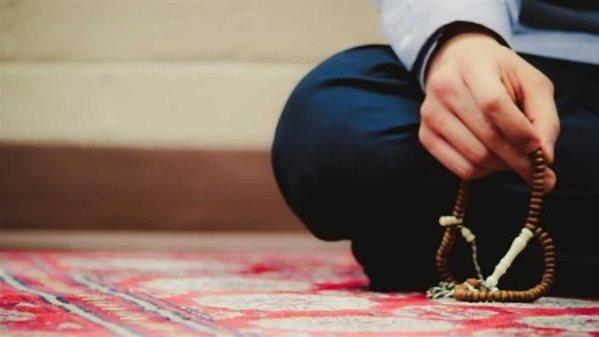
Learn the recommended supplications and adhkar after the obligatory prayer, including seeking forgiveness, Ayat al-Kursi, glorification, praise, and takbir
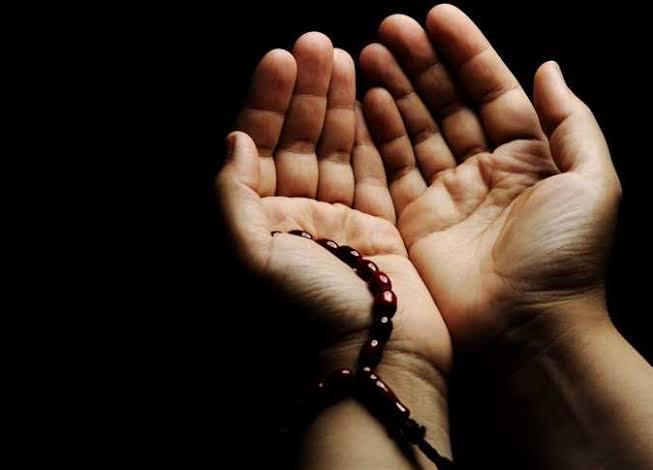
The opening supplication is a Sunnah reported from the Prophet Muhammad, peace be upon him. It is said after the opening takbir and before reciting Al-Fatihah
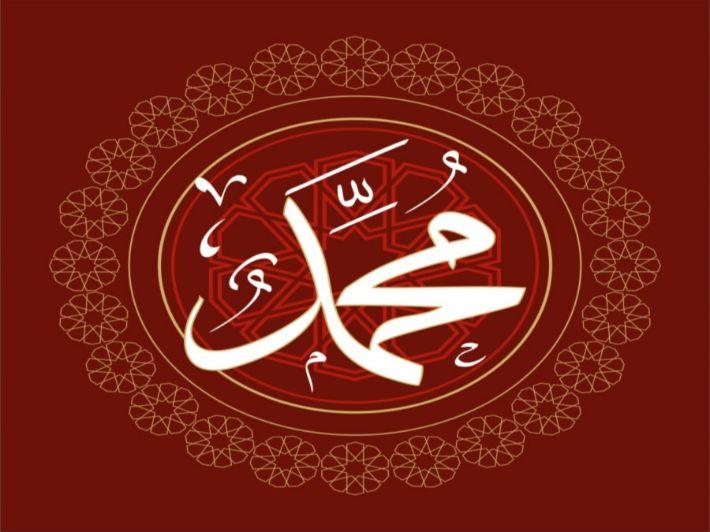
Learn about Prophet Muhammad’s treatment of his companions and the lessons his life offers in mercy, humility, justice, compassion, education and good character.
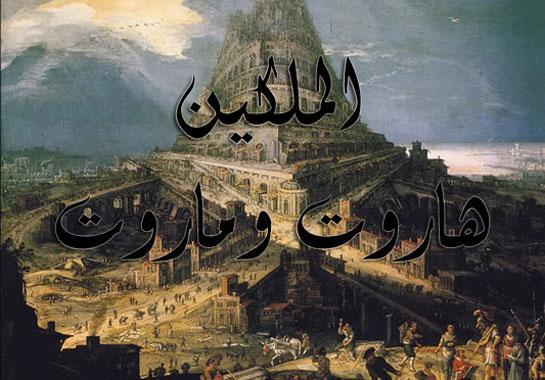
The story of Harut and Marut raises many questions. Discover what the Quran says about them and how scholars have assessed the additional reports about their story.
