Istikhara Prayer: How to Perform It and the Complete Supplication
Learn how to perform Salat al-Istikhara, the correct supplication, when it should be performed, which matters it applies to, and whether seeing a dream is required afterward.
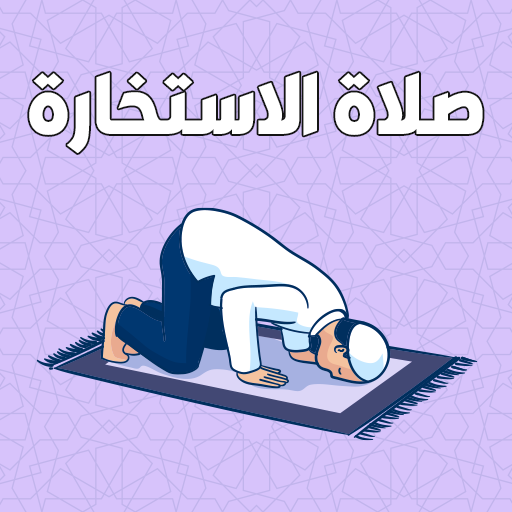

What is Salat al-Istikhara, and how should a Muslim perform it? Istikhara prayer consists of two voluntary rak‘ahs performed when a person is uncertain about a permissible matter and seeks Allah’s guidance and the best outcome.
Through Istikhara, a Muslim entrusts the matter to Allah while continuing to take the appropriate practical steps and seek advice.
What Is Istikhara Prayer?
Istikhara is a recommended prayer performed when a Muslim is considering a permissible matter and is uncertain about which option is better.
It may be performed for matters such as marriage, travel, employment or other important decisions.
The Muslim asks Allah to facilitate what is good for their religion, worldly life and ultimate outcome, and to turn them away from what is harmful.
How to Perform Istikhara Prayer
Istikhara can be performed through a few simple steps.
1. Perform Wudu
The Muslim performs ablution and prepares for prayer as they would for any voluntary prayer.
2. Make the Intention
The intention is made in the heart to perform the Istikhara prayer.
3. Pray Two Rak‘ahs
The Muslim performs two voluntary rak‘ahs and recites Al-Fatihah and whatever portion of the Quran is easy to recite.
There is no requirement to recite a particular surah in Istikhara prayer.
4. Recite the Istikhara Supplication
After completing the two rak‘ahs and saying salam, the Muslim recites the established Istikhara supplication.
Complete Istikhara Supplication
The Prophet Muhammad ﷺ taught the following supplication:
“O Allah, I seek the best choice from You by Your knowledge, and I seek ability from You by Your power, and I ask You from Your great bounty. For You are capable while I am not capable; You know while I do not know; and You are the Knower of the unseen. O Allah, if You know that this matter is good for me in my religion, my livelihood and the outcome of my affair, then decree it for me, make it easy for me, and bless it for me. And if You know that this matter is bad for me in my religion, my livelihood and the outcome of my affair, then turn it away from me and turn me away from it, and decree for me what is good wherever it may be, then make me content with it.”
When saying “this matter,” the person should have the particular matter in mind, such as marriage, employment or travel.
What Matters Can Istikhara Be Performed For?
Istikhara is performed for permissible matters in which a person has a genuine choice and uncertainty, including:
- Marriage.
- Travel.
- Choosing a job.
- Starting a business.
- Moving to a new place.
- Making an important life decision.
Istikhara is not performed to decide whether to fulfill an obligatory act or commit a prohibited act. Obligations should be fulfilled and prohibited matters should be avoided.
Does Istikhara Require a Dream?
No. A Muslim does not have to see a dream or receive a specific sign after performing Istikhara.
Istikhara is not dependent on dreams. After praying, the person should take appropriate practical steps, seek sound advice and proceed with the matter.
What Allah facilitates or turns away from the person can be part of the outcome of the Istikhara.
What Should You Do After Istikhara?
After performing Istikhara, a Muslim should not remain waiting for a supernatural sign.
Instead, they should take the appropriate means, consult trustworthy and knowledgeable people when necessary, and then proceed with the decision.
If the matter becomes easy and its means are facilitated, they may proceed. If it becomes difficult or is turned away, they should accept Allah’s decree and trust His wisdom.
Can Istikhara Be Repeated?
Yes. A Muslim may repeat Istikhara if they remain uncertain about the matter.
The important principle is that Istikhara combines reliance upon Allah with taking practical steps and making a responsible decision, rather than waiting for dreams or unexplained signs.
Conclusion
Istikhara prayer consists of two voluntary rak‘ahs performed when a Muslim is uncertain about a permissible matter. After the prayer, the person recites the established Istikhara supplication, asking Allah to facilitate what is good and turn away what is harmful.
Seeing a dream or receiving a specific sign is not required. The Muslim should take the appropriate means, seek advice when needed, proceed with what becomes easier and remain content with Allah’s decree.
How many rak‘ahs are in Istikhara prayer?
Istikhara consists of two voluntary rak‘ahs.
When is the Istikhara supplication recited?
It is recited after completing the two rak‘ahs and saying salam.
Do you have to see a dream after Istikhara?
No. Seeing a dream is not required.
What can Istikhara be performed for?
It is performed for permissible matters involving a genuine choice, such as marriage, employment and travel.
Can Istikhara be repeated?
Yes. It may be repeated when uncertainty about the matter remains.

Learn the authentic supplication to say when leaving home, as taught by the Prophet Muhammad ﷺ, seeking Allah’s protection, guidance, support, and blessing

Learn about the Tahajjud night prayer, its time from after Isha until dawn, the best time to perform it, its number of rak‘ahs and how to conclude it with Witr.
Egypt’s Dar Al-Ifta explained the Islamic ruling on a business partner receiving an additional share of profits for management duties and clarified when a worker may be liable for damaged property.
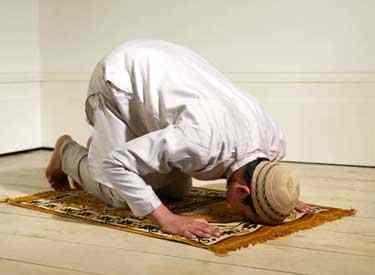
Egyptian Dar Al-Ifta explained the ruling on praying with the lights off and closing the eyes to achieve greater khushu, emphasizing that the main consideration is concentration and presence of the heart.
