
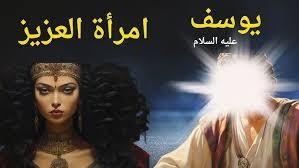

The story of Prophet Joseph, peace be upon him, is one of the most remarkable narratives in the Quran. It contains profound lessons about patience, chastity, faith, and trust in Allah.
One of the most famous details associated with the story in later narratives is the claim that Joseph married the Aziz’s wife, often known as Zuleikha.
But is this marriage actually established by authentic evidence?
The answer is that neither the Quran nor authentic Sunnah establishes that Joseph married the Aziz’s wife.
Did Joseph Marry the Aziz’s Wife?
There is no authentic evidence proving that Prophet Joseph married the Aziz’s wife.
Some books of Quranic interpretation mention a story in which Joseph supposedly married her after leaving prison and attaining a position of authority in Egypt. However, these reports do not have an established authentic basis that allows the marriage to be stated as historical fact.
Therefore, it is important to distinguish between the events explicitly established in revelation and additional stories mentioned in some books of interpretation.
Where Did the Story of Joseph and Zuleikha Come From?
Scholars have noted that some additional details surrounding the story of Joseph appear to have originated from Isra'iliyyat, reports transmitted from earlier religious traditions that entered some works of commentary and historical storytelling.
Ibn Kathir pointed out that many of the detailed reports surrounding Joseph's story were taken from the Books of the People of Scripture and indicated that avoiding unsupported details is preferable.
Al-Qurtubi also mentioned the marriage story without affirming it as established fact.
What Does the Quran Say About the Aziz’s Wife?
The Quran clearly describes the Aziz’s wife in the episode involving Joseph and the temptation he faced.
Allah says:
“And she, in whose house he was, sought to seduce him. She locked the doors and said, ‘Come to me.’ He said, ‘I seek refuge in Allah.’” [Quran 12:23]
This passage highlights Joseph’s extraordinary chastity. Despite the circumstances surrounding him, he chose obedience to Allah and refused the temptation.
He subsequently faced imprisonment, but Allah ultimately revealed his innocence and elevated his status until he became responsible for Egypt’s storehouses.
Was Her Name Really Zuleikha?
The name Zuleikha became widely associated with the Aziz’s wife in later stories and popular literature.
However, the Quran does not identify her by this name, nor is this name established through an authentic statement from the Prophet Muhammad, peace and blessings be upon him.
The Quran simply refers to her as the wife of the Aziz.
For accuracy, this is therefore the preferred description when discussing the Quranic narrative.
Why Did the Quran Not Mention Their Marriage?
The Quran does not provide every detail of the lives of the prophets. It mentions events that contain guidance, wisdom, and lessons for believers.
If the alleged marriage had carried an essential religious or moral lesson that needed to be known, revelation would have clarified it.
Therefore, the absence of this marriage from the Quran is another reason not to present the later story as an established fact.
What Did Scholars Say About the Marriage Story?
Scholars did not establish the story as authentic.
Ibn Kathir noted that many details reported about Joseph’s story were taken from earlier scriptural traditions and that avoiding unsupported reports is preferable.
Al-Qurtubi likewise mentioned the marriage narrative without affirming its certainty.
Consequently, it is inaccurate to present the marriage between Joseph and the Aziz’s wife as a confirmed historical event.
Does This Story Have Any Legal Consequence?
No.
Whether the marriage occurred or did not occur has no established legal ruling or required religious practice connected to it.
The important lessons from Joseph’s story are those firmly established through revelation: patience during trials, chastity in the face of temptation, trust in Allah, and remaining committed to righteousness despite hardship.
Key Lessons from Joseph and the Aziz’s Wife
The story teaches several enduring lessons:
- Chastity when facing temptation.
- Seeking Allah’s help during hardship.
- Patience in the face of injustice.
- Avoiding unsupported historical narratives.
- Distinguishing revelation from later storytelling.
- Taking lessons from what is authentically established.
- Trusting Allah even when relief seems delayed.
Conclusion
There is no authentic evidence establishing that Prophet Joseph married the Aziz’s wife, known in later stories as Zuleikha.
The marriage appears in some works of interpretation and storytelling, but it cannot be presented as a confirmed historical fact.
The more important focus is on the authentic Quranic account of Joseph: his chastity, patience, perseverance, and unwavering trust in Allah.
Did Prophet Joseph marry the Aziz’s wife?
There is no authentic evidence establishing that Joseph married the Aziz’s wife.
Was Zuleikha her confirmed name?
The name Zuleikha is popular in later narratives, but it is not established by the Quran or authentic Sunnah.
Where did the story of Joseph marrying Zuleikha come from?
It appears in some books of interpretation and storytelling, and scholars have noted that such details may originate from Isra'iliyyat.
Does the Quran mention Joseph marrying the Aziz’s wife?
No. The Quran does not mention such a marriage.
Does this story have any religious ruling?
No. Whether the marriage occurred or not does not establish a religious ruling or required practice.




