
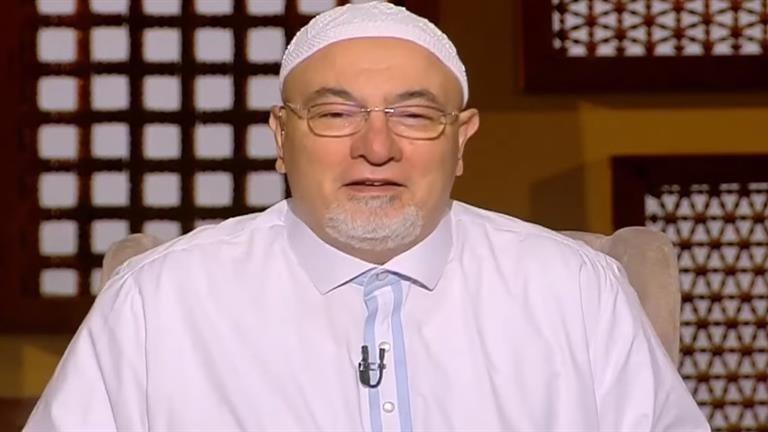

Khaled El Gendy Highlights a Parenting Challenge
Islamic scholar Khaled El Gendy, a member of Egypt's Supreme Council for Islamic Affairs, said today's children and teenagers often know extensive details about football stars while lacking basic knowledge of Islam.
Speaking on the television program La'allahum Yafqahoon on DMC, he noted that many young people can identify World Cup players, their clubs, salaries, and playing styles but struggle to answer simple questions about the Ten Companions Promised Paradise or the Prophet Muhammad's biography.
Sports Culture Versus Religious Knowledge
El Gendy said the popularity of football reflects the success of global sports institutions in engaging young audiences through well-planned strategies.
He questioned whether educational and religious institutions are doing enough to present religious knowledge in a similarly engaging and influential way.
Lessons From Umar ibn Al-Khattab
El Gendy recalled the well-known story of Caliph Umar ibn Al-Khattab, who reminded a father complaining about his son's disobedience that children also have rights over their parents.
These rights include:
- Choosing a righteous mother.
- Giving the child a good name.
- Teaching the Qur'an.
- Raising the child with good morals and values.
He quoted Umar's famous response: "You wronged him before he wronged you."
Family Plays the Central Role
El Gendy stressed that early childhood is the most important stage for shaping character and values.
He emphasized that families should build a healthy relationship between children and religion through good example, balanced parenting, and positive communication.
Warning Against Harsh Parenting
The scholar warned that violence and excessive harshness can produce the opposite effect, pushing children away from religion and making them reject religious values.
He added that improving children's understanding of faith begins at home through compassionate and balanced upbringing.
What did Khaled El Gendy say about football?
He said many children know football players better than essential Islamic teachings.
What concern did he raise?
He believes this reflects a serious parenting and educational imbalance.
What lesson did he share from Umar ibn Al-Khattab?
Parents have responsibilities toward their children before expecting obedience from them.
Why did he warn against harsh parenting?
Because it can distance children from religion and moral values.
What was his main message?
Families should balance children's interest in sports with proper religious and moral education.




