Khaled El-Gendy: The Prophet Was Not Poor… The Stone-on-Stomach Incident Was Exceptional
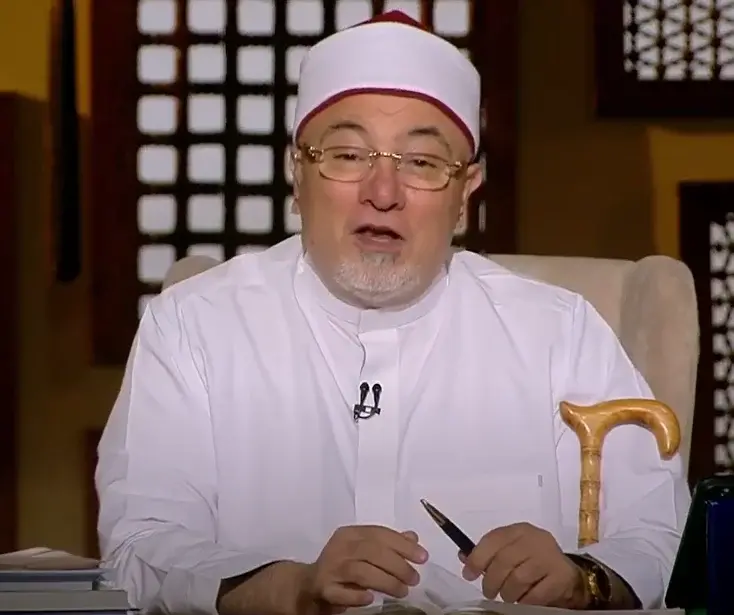
Sheikh Khaled El-Gendy clarifies that the Prophet was not poor and that tying a stone to his stomach was an exceptional event during the Battle of the Trench.

Clarification on the Prophet’s life
Sheikh Khaled El-Gendy, a member of the Supreme Council for Islamic Affairs, stated that portraying the Prophet Muhammad as absolutely poor is an inaccurate understanding of the Prophetic biography, noting that some incidents are often taken out of their proper historical context.
The hunger incident during the Battle of the Trench
El-Gendy explained that the narration about the Prophet tying a stone to his stomach out of hunger occurred during the Battle of the Trench, when Muslims were in exceptional wartime conditions and fully occupied, which temporarily interrupted their sources of income.
He emphasized that this was a specific situation and should not be generalized as a constant aspect of the Prophet’s life.
The Prophet’s financial resources
He pointed out that the Prophet had multiple financial resources. He inherited property from Khadijah, as well as from his parents, and spent from his own wealth.
These facts, he noted, contradict the idea of absolute poverty and show that the Prophet possessed and managed wealth.
Success in trade before prophethood
El-Gendy highlighted that the Prophet was known before prophethood as “Al-Sadiq Al-Amin” (the truthful and trustworthy), reflecting his success in trade and strong reputation, which led Khadijah to entrust him with her business.
Generosity and spending
He added that the Prophet was known for his generosity, as he provided for his household, honored guests, and supported the needy, demonstrating the breadth of his giving.
Endowment and charity
El-Gendy noted that the Prophet was the first to establish a charitable endowment in Islam, dedicating part of his wealth to charitable causes, which reflects his wise financial management.
Call for accurate understanding of the biography
He concluded by stressing that the Prophet was a role model in work, lawful earning, and generosity—not in poverty or incapacity—calling for a comprehensive and accurate reading of the Prophetic biography.
Was the Prophet poor?
No, he was not absolutely poor and had financial resources.
What is the story of tying a stone to the Prophet’s stomach?
It was an exceptional incident during the Battle of the Trench due to wartime conditions.
Did the Prophet work in trade?
Yes, he was known for honesty and success in business.
Was the Prophet generous?
Yes, he supported his family, guests, and the poor.
What is the purpose of these statements?
To correct misconceptions about the Prophet’s life.
Learn about the authentic evening adhkar from the Sunnah, their virtues, recommended repetitions, and how they bring protection, peace, and blessings.

Ruqyah Shar’iyyah is one of the Islamic methods of seeking healing and protection through Quranic verses and prophetic supplications. Learn its correct method, verses, and duas.
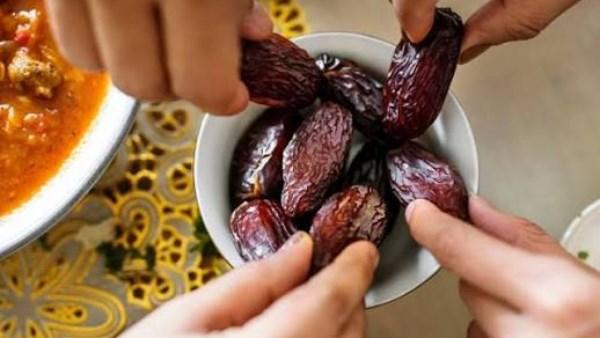
Learn the dates of the White Days of Safar, the virtues of fasting them, why they are called the White Days, and the Islamic teachings regarding this recommended Sunnah.

Discover the complete story of Prophet David (Dawood) in Islam, including how he became both a king and a prophet, his miracles, his devotion to worship, and his remarkable life according to the Quran and authentic Sunnah.
