Hajj Fatawa: Photography, Fasting Dhul Hijjah, and Ihram Restrictions Explained
Learn the ruling on photography during Hajj, fasting the first ten days of Dhul Hijjah, moon sighting, and the prohibited acts during Ihram according to Islamic scholars


Hajj and Umrah Fatawa: Photography, Fasting, and Ihram Prohibitions
Ruling on Excessive Photography During Hajj and Umrah
Egypt’s Dar al-Ifta stated that taking photos during Hajj and Umrah is permissible in principle, as long as it does not disturb other pilgrims or delay them during rituals.
However, excessive photography may reduce the spiritual focus and reverence required in sacred places, where worship should take priority over documentation.
The Pilgrim’s Duty: Worship Over Distraction
A pilgrim is encouraged to remain focused on remembrance, worship, and humility before Allah, as the essence of Hajj is devotion—not capturing memories.
Ruling on Fasting the First Ten Days of Dhul Hijjah
Dar al-Ifta confirmed that fasting the first nine days of Dhul Hijjah is a recommended Sunnah and among the greatest acts of worship.
Fasting the Day of Arafah is especially virtuous, as it expiates sins, while fasting the Day of Sacrifice is strictly forbidden by consensus.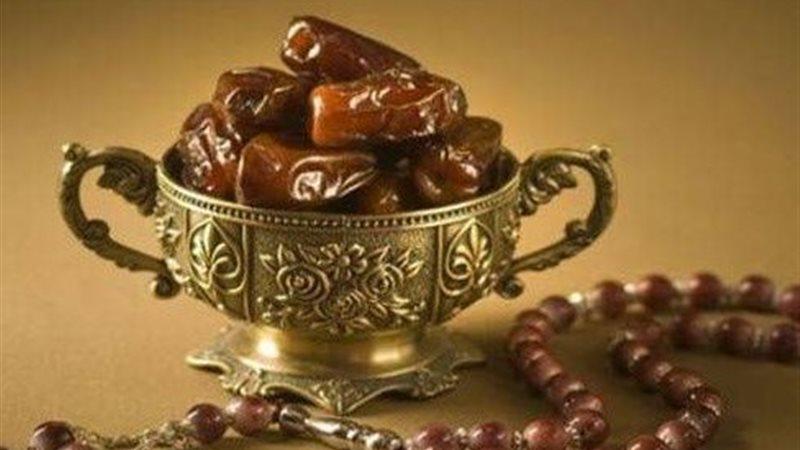
Virtue of the First Ten Days of Dhul Hijjah
These days are among the most blessed in Islam. Allah swore by them in the Qur’an, and good deeds are multiplied, including:
- Prayer and remembrance
- Fasting and charity
- Takbeer and praise
- Recitation of the Qur’an
When Does Dhul Hijjah Begin in 2026?
The beginning of Dhul Hijjah depends on the sighting of the crescent moon:
- If the moon is sighted, the next day is the first of Dhul Hijjah
- If not, Dhul Qadah is completed as 30 days
What Are the Prohibitions of Ihram?
Scholars explain that the main prohibitions of Ihram include:
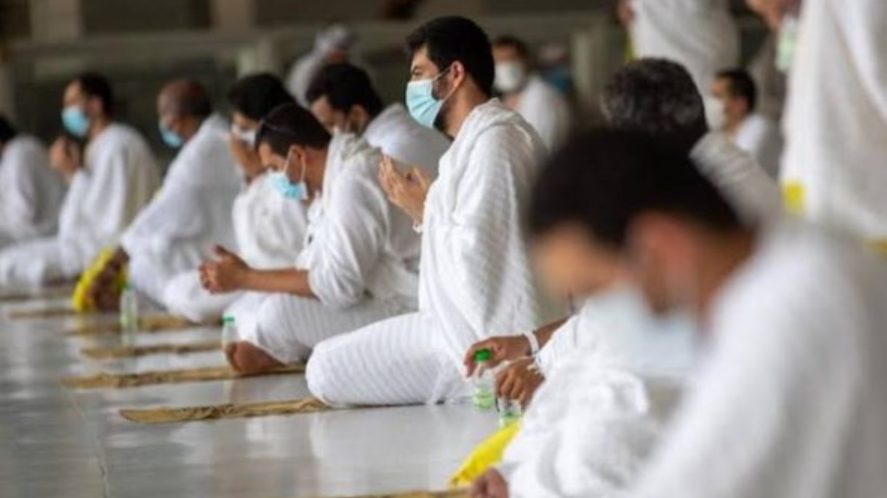
1- Wearing stitched fitted clothing (for men)
Such as shirts and trousers that shape the body.
2- Removing hair
It is forbidden to cut, shave, or remove body hair during Ihram.
3- Using perfume
Using any fragrance on body or clothing is prohibited.
4- Covering the head (for men)
Men are not allowed to cover their heads during Ihram.
5- Covering the face (for women in some rulings)
Women must avoid covering the face according to some juristic opinions.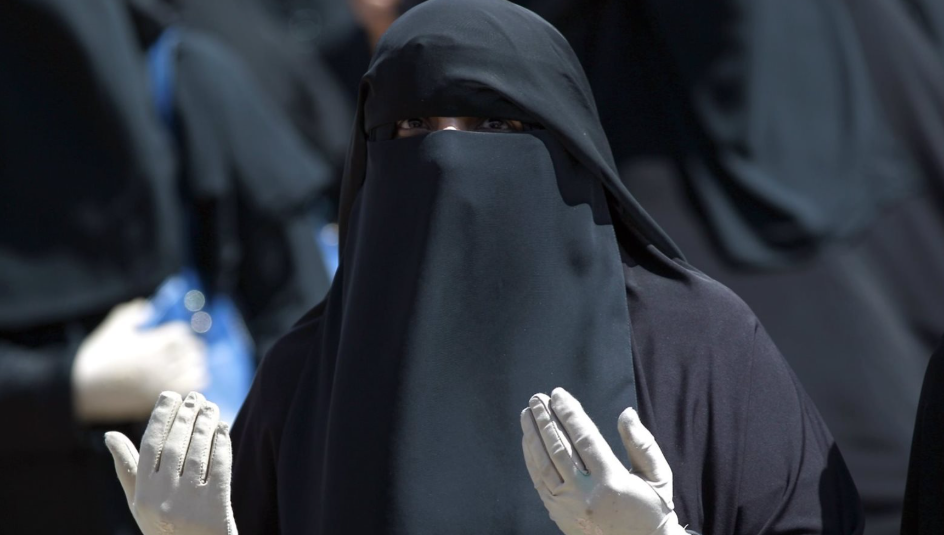
6- Cutting nails
Cutting nails is not allowed unless necessary.
7- Hunting animals
Hunting land animals is prohibited during Ihram.
8- Marriage contract
A pilgrim cannot marry or arrange marriage while in Ihram.
9- Sexual intercourse
It is one of the most serious violations and may invalidate Hajj if done before first release.
10- Intimate physical contact with desire
Such as kissing or touching with desire.
Compensation (Fidyah)
If a pilgrim violates any restriction, the compensation is:
- Sacrifice a sheep, or
- Fast three days, or
- Feed six needy people
FAQ
Is photography allowed during Hajj?
Yes, as long as it does not disturb others.
Is fasting the first ten days obligatory?
No, it is a recommended Sunnah.
What is the most serious Ihram violation?
Sexual intercourse, as it can invalidate Hajj.
Can perfume be used in Ihram?
No, it is prohibited.
When does Ihram end?
After completing Hajj or Umrah rituals.
Learn about the authentic evening adhkar from the Sunnah, their virtues, recommended repetitions, and how they bring protection, peace, and blessings.

Ruqyah Shar’iyyah is one of the Islamic methods of seeking healing and protection through Quranic verses and prophetic supplications. Learn its correct method, verses, and duas.

Learn the dates of the White Days of Safar, the virtues of fasting them, why they are called the White Days, and the Islamic teachings regarding this recommended Sunnah.

Discover the complete story of Prophet David (Dawood) in Islam, including how he became both a king and a prophet, his miracles, his devotion to worship, and his remarkable life according to the Quran and authentic Sunnah.
