What Are the Prohibitions of Ihram? Ali Gomaa Explains in Detail
Dr. Ali Gomaa explains in detail the prohibitions of Ihram during Hajj and Umrah, including clothing, perfume, shaving, hunting, and marital relations, along with related rulings and expiations


Definition of the Prohibitions of Ihram
Dr. Ali Gomaa, former Grand Mufti of Egypt and member of Al-Azhar’s Council of Senior Scholars, explains that the prohibitions of Ihram are a set of acts that a pilgrim must avoid during Hajj or Umrah in order to complete their rituals correctly.
These restrictions are intended to create a state of spiritual purity, humility, and detachment from worldly distractions.
First: Wearing Stitched and Fitted Clothing
A pilgrim may wear stitched clothing if it is not form-fitting. The prohibited type is clothing that is both stitched and fitted, such as trousers or shirts.
Permissible items include:
- Rings
- Watches
- Belts
because they are not considered prohibited stitched garments.
Second: Removing Hair
It is forbidden for the pilgrim to remove any body hair by any means, including:
- Shaving
- Plucking
- Using creams or similar methods
This includes hair of the head, beard, mustache, and all body hair—even if done unintentionally.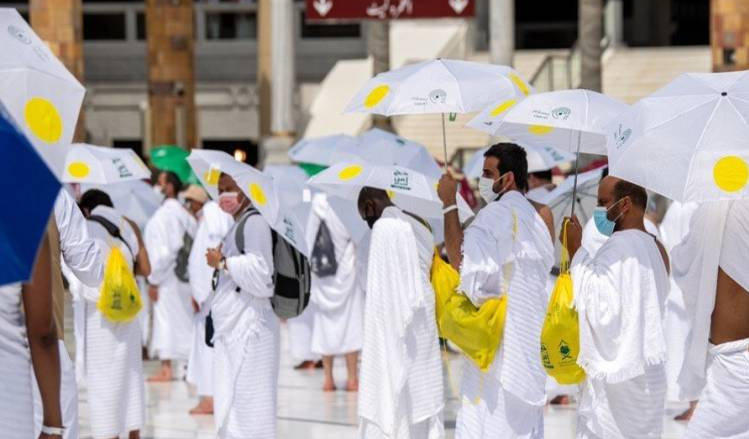
Third: Using Perfume or Fragrances
It is prohibited for the pilgrim to use perfume on:
- The body
- Clothing
- Food or drink
This includes all forms of scented products.
As for scented soap or shampoo, scholars differ, but it is safer to avoid them to remain cautious.
Fourth: Covering the Head or Face
A male pilgrim must not cover his head, while a female pilgrim must not cover her face during Ihram.
However, if a woman finds it difficult to uncover her face, she may let a cloth hang loosely without touching it directly.
Fifth: Combing the Hair
Combing or styling hair is prohibited during Ihram due to the possibility of hair falling out.
Sixth: Clipping the Nails
Cutting nails is not allowed unless a nail breaks and causes harm, in which case it may be removed.
Seventh: Hunting
It is forbidden for a pilgrim to hunt wild animals or interfere with them in any way, whether inside or outside the sacred boundaries.
Eighth: Marriage Contract
A pilgrim is not allowed to marry, officiate a marriage, or act as an agent in a marriage contract. Any such contract is considered invalid.
Ninth: Marital Intercourse
All forms of sexual intercourse are strictly prohibited and can invalidate Hajj or Umrah if done before the first release from Ihram.
Tenth: Physical Intimacy
Physical intimacy with desire, such as kissing or touching, is also prohibited during Ihram.
Expiation for Violations
If a pilgrim commits any of these violations, the expiation is:
- Slaughtering a sheep
- Or fasting three days
- Or feeding six poor people
However, Hajj is only invalidated by sexual intercourse before the first release from Ihram.
Learn how to protect your children daily with authentic Islamic supplications, morning and evening adhkar, and ruqyah for protection from envy and harm

Learn the ruling on photography during Hajj, fasting the first ten days of Dhul Hijjah, moon sighting, and the prohibited acts during Ihram according to Islamic scholars
Learn when Takbeer begins in the first ten days of Dhul Hijjah, the difference between general and restricted Takbeer, its formulas, and scholarly opinions on its timing and virtues

A clarification by Dr. Ali Gomaa on the concept of the soul in Islam, explaining that true tranquility comes from returning to God and resisting desires, with insights into the Qur’anic concept of the peaceful soul
