
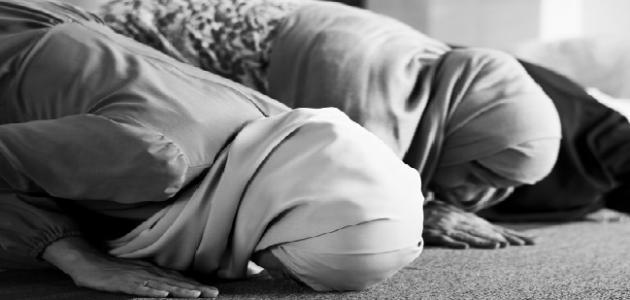

Congregational prayer is a key practice in Islam that encourages unity among Muslims. It is led by an imam whom others follow, ensuring no one precedes the imam. Rules vary between individuals and the group, men and women, prayer in the mosque and home, and between audible and silent prayers, all consistent with Islamic teachings.
Rules of Congregational Prayer
According to Al-Azhar, congregational prayer is a communal obligation (Fard Kifayah) outside Friday prayers. It is also a confirmed Sunnah for individuals, harmonizing individual devotion with communal responsibility.
Women’s Congregational Prayer
Women may pray in the mosque or at home. In the mosque, they stand behind men. At home, one woman leads as the imam, standing in the center of the first row. The Prophet ﷺ said: “Do not prevent the female servants of Allah from attending the mosques of Allah,” with preference for home prayer being allowed.
Audible Congregational Prayer
Audible prayers are recited loudly by the imam in the first two units (Rak‘ahs), such as Fajr, Maghrib, and Isha. Followers listen and follow the imam’s movements for bowing and prostration.
Congregational Prayer at Home
If mosque attendance is not possible, men may lead family members in prayer at home. Males stand to the right or behind, females behind them, following standard prayer steps from Takbir to Tasleem.
What the Imam Says
-
“Allahu Akbar” when bowing and prostrating
-
“Sami‘a Allahu liman hamidah” when rising from bowing
-
“As-salamu ‘alaykum wa rahmatullah” at the end
The imam recites Al-Fatihah and other Quran portions in audible prayers.
Congregational Prayer in the Mosque
Praying in the mosque is recommended due to its great virtue, with organized rows, proper etiquette, and adherence to devotion and tranquility.
Prayer for Two People
If two people pray together, the imam stands to the left of the follower, who mimics all the imam’s movements without preceding or lagging.




