
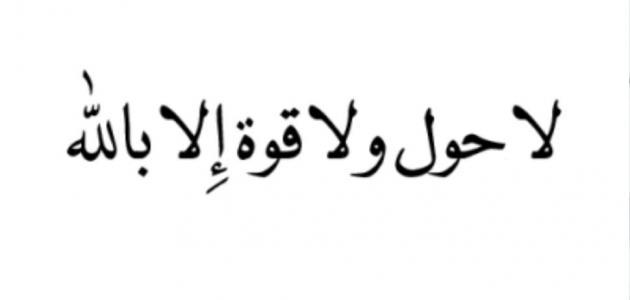

Many Muslims search for the virtue of saying “La Hawla Wa La Quwwata Illa Billah”, as it is one of the greatest forms of remembrance (dhikr) encouraged by Prophet Muhammad (peace be upon him). The Prophet described it as “a treasure from the treasures of Paradise.” Muslims frequently repeat these blessed words because they carry profound meanings of complete reliance on Allah, seeking His help, and recognizing that all strength and ability come only from Him.
What Does “La Hawla Wa La Quwwata Illa Billah” Mean?
This blessed phrase means that a person has no ability to change from one state to another, nor the strength to perform good deeds or avoid wrongdoing, except through Allah’s permission and support. It plants in the believer’s heart: Complete reliance on Allah. Faith in Allah’s decree and wisdom. Contentment with what Allah has destined. Dependence on Allah in all matters. Therefore, it is one of the greatest forms of remembrance that brings peace and removes worries and anxiety.
The Virtue of Saying “La Hawla Wa La Quwwata Illa Billah”
The Prophet Muhammad (peace be upon him) described this remembrance as: “A treasure from the treasures of Paradise.” Among its greatest virtues are: Increasing reliance on Allah. Strengthening faith and certainty. Bringing tranquility to the heart. Helping believers remain steadfast in worship. Easing worries and hardships. Receiving great rewards from Allah. For this reason, Muslims are encouraged to frequently recite it, especially during difficulties and challenging times.
Does “La Hawla Wa La Quwwata Illa Billah” Open the Doors of Relief?
Many Muslims believe that consistently reciting this remembrance is among the causes of relief and ease, because it renews the heart’s complete dependence on Allah. However, this does not mean that the remembrance alone is an independent cause for achieving wishes. Rather, it is one of the greatest ways to draw closer to Allah while also taking lawful means, making supplication, performing good deeds, and maintaining good expectations of Allah.
Remembrances That Help Open the Doors of Provision
Along with frequently saying “La Hawla Wa La Quwwata Illa Billah,” Muslims are encouraged to maintain other forms of worship and remembrance, including:
1- Seeking Forgiveness (Istighfar)
Allah says: “Ask forgiveness of your Lord; indeed, He is Ever-Forgiving. He will send rain upon you in abundance, and increase you in wealth and children.” (Quran, Surah Nuh) The Prophet Muhammad (peace be upon him) said: “Whoever constantly seeks forgiveness, Allah will make for him a way out from every worry, a relief from every hardship, and provide for him from sources he never expected.”
2- Charity (Sadaqah)
Charity is among the greatest causes of blessings and ease. It is not limited only to giving money but includes all forms of kindness and helping those in need.
3- Sending Blessings Upon the Prophet
Frequently sending prayers upon Prophet Muhammad (peace be upon him) is among the great acts of worship through which Muslims seek blessings, relief from difficulties, and increased rewards.
The Best Supplications for Making Matters Easier
Among the recommended supplications are: O Allah, help me remember You, thank You, and worship You in the best manner. O Allah, there is no ease except what You make easy, and You can make hardship easy if You will. O Allah, expand my chest and make my affairs easy for me. There is no deity except You; glory be to You. Indeed, I have been among the wrongdoers. O Possessor of Majesty and Honor.
The Master Supplication for Forgiveness and Its Impact on a Muslim’s Life
The Master Supplication for Forgiveness (Sayyid Al-Istighfar) is one of the greatest supplications taught by the Prophet Muhammad (peace be upon him): O Allah, You are my Lord. There is no deity except You. You created me and I am Your servant. I uphold Your covenant and promise as much as I am able. I seek refuge in You from the evil of what I have done. I acknowledge Your blessings upon me, and I acknowledge my sins. So forgive me, for no one forgives sins except You. It is one of the greatest means of seeking forgiveness, renewing repentance, and receiving Allah’s mercy.
Is Reading Surah Al-Fatihah a Cause of Ease?
Surah Al-Fatihah is the greatest chapter of the Quran. Muslims are encouraged to recite it and reflect on its meanings, as it contains praise of Allah, a request for guidance, and seeking Allah’s help in all matters. It should be noted that some details regarding the claim that Surah Al-Fatihah was revealed twice are not unanimously agreed upon by scholars. However, its great virtue and honored status in the Quran are firmly established.
How Can You Make Dhikr a Daily Habit?
A Muslim can maintain regular remembrance of Allah by: Preserving morning and evening adhkar. Increasing the practice of seeking forgiveness. Repeating “La Hawla Wa La Quwwata Illa Billah” throughout the day. Sending blessings upon Prophet Muhammad (peace be upon him). Maintaining post-prayer remembrances. Making frequent supplications while relying sincerely on Allah.




