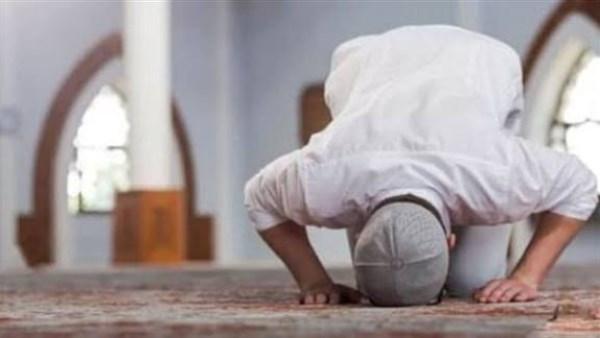
Loving and Honoring the Prophet: Is It an Exaggeration? Dar Al-Ifta Explains

Sheikh Mohamed Kamal explains the Islamic view of loving and honoring the Prophet, highlighting his elevated status in the Quran and the importance of reverence for him.
  Thu , August 20 2026 / 09:01 PM Updated At: 2026-08-20 21:01:49

Sheikh Mohamed Kamal, a Fatwa Secretary at Egypt’s Dar Al-Ifta, answered a question about whether honoring and loving the Prophet Muhammad, peace and blessings be upon him, could be considered excessive.

He explained that Allah Himself honored the Prophet in the Quran, emphasizing that reverence for him is based on Islamic scripture rather than a human invention.

Is Loving and Honoring the Prophet an Exaggeration?

The Quran Highlights the Prophet’s Status

Sheikh Mohamed Kamal cited Allah’s statement:

“And the فضل of Allah upon you has always been great.”

He explained that this verse highlights the immense favor and blessing Allah granted to the Prophet Muhammad, peace and blessings be upon him.

Therefore, loving and honoring the Prophet is consistent with the Quranic emphasis on his elevated status and virtues.

Honoring the Prophet Is Not a Human Invention

The Fatwa Secretary stressed that honoring the Prophet is not the result of excessive admiration created by Muslims. Rather, it is rooted in Islamic texts that establish his virtues and distinguished status.

Love for the Prophet and reverence for him are reflected in following his guidance and Sunnah.

The Status of the Prophet Muhammad

Qadi Iyad on the Prophet’s Status

Sheikh Mohamed Kamal noted that scholars throughout Islamic history approached the Prophet’s status with profound reverence.

Among them was Qadi Iyad, who emphasized that human minds and tongues cannot fully encompass the reality of the Prophet’s immense honor and status.

Regardless of how eloquent a person may be, the Prophet’s elevated rank remains beyond complete description.

The Meaning of “By Your Life”

Some early Muslim scholars reflected on Allah’s statement:

“By your life, they were wandering blindly in their intoxication.”

The verse contains a divine oath by the life of the Prophet Muhammad, peace and blessings be upon him.

Sheikh Mohamed Kamal explained that this oath highlights the Prophet’s distinguished status and his honored position before Allah.

Is Loving the Prophet an Islamic Principle?

Love and Reverence Are Established in Islam

Sheikh Mohamed Kamal emphasized that loving and honoring the Prophet are not foreign additions to Islam. Rather, they are deeply rooted Islamic values.

This love is expressed through respecting the Prophet, following his Sunnah and seeking to embody his teachings and noble character.

The Prophet’s Place in Muslims’ Hearts

Love for the Prophet Muhammad remains one of the profound values shared by Muslims, reflecting his central place in Islamic belief and spiritual life.

Is honoring the Prophet considered an exaggeration?

No. Love and reverence for the Prophet are rooted in Islamic texts, according to Sheikh Mohamed Kamal.

What does the Quran say about the Prophet’s Virtue?

Allah says: “And the favor of Allah upon you has always been great.”

What does “By your life” indicate?

It contains a divine oath by the Prophet’s life, highlighting his honored status.

Is loving the Prophet an Islamic principle?

Yes. Love and reverence for the Prophet are established Islamic values and are expressed through following his Sunnah and guidance.

Aug 20
الصلاة

Learn the supplications recited during Salah, including Dua Al-Istiftah, prayers for bowing and prostration, between the two prostrations, and before salam.

Aug 20
دعاء لحماية الابناء

Discover comprehensive Islamic duas for protecting children, seeking their health, safety, righteousness and guidance, with supplications parents can recite for their children.

Aug 20
مسجد

Egypt’s inistry of Awqaf will open 19 mosques on Friday, August 21, 2026, as part of its nationwide plan to build, renovate, maintain and develop mosques.
Aug 20
القرآن الكريم

Sheikh Mohamed Kamal explains the meaning of “By your life, they were wandering blindly in their intoxication” and what the divine oath reveals about the Prophet’s honored status.