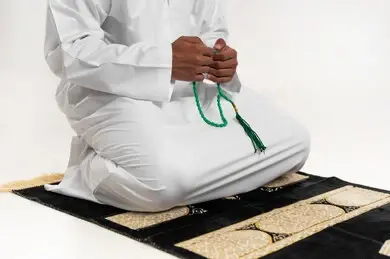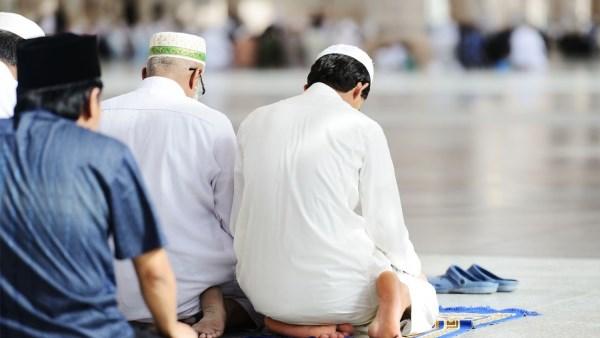

An obligatory prayer remains due if a Muslim misses it because of sleep or forgetfulness. The prayer should be performed when the person wakes up or remembers it, rather than deliberately postponing it without a valid excuse.
The Prophet Muhammad taught that whoever sleeps through a prayer or forgets it should pray it when they remember it, emphasizing the importance of making up a missed obligatory prayer promptly.
What Should You Do If You Wake Up and Missed Isha?
If a Muslim wakes up for Fajr and realizes that Isha was missed because of sleep, they should first perform the missed Isha prayer and then pray Fajr.
The missed prayer remains a duty, so it should be made up without unnecessary delay.
Ruling on Delaying Prayer Beyond Its Time
Muslims are required to observe the five daily prayers within their prescribed times. Fatigue or being busy should not become a regular reason for allowing an obligatory prayer to pass beyond its time.
If someone unintentionally misses a prayer because they were overcome by sleep or forgot it, they should perform it as soon as they wake up or remember.
Is It Permissible to Sleep Before Isha?
It was reported from Abu Barzah Al-Aslami that the Prophet Muhammad “did not like sleeping before Isha or talking after it.”
Therefore, sleeping before Isha is discouraged when a person fears that sleep may cause them to miss the prayer.
If someone is extremely tired and needs to rest, and they are confident they will wake up and perform the prayer before its time ends, there is no harm in taking that rest.
What Should Someone Do If They Fear Missing Isha?
A person who is concerned about oversleeping should take reasonable steps to wake up, such as setting an alarm, asking someone to wake them, and organizing their sleeping schedule.
Prayer should be given priority, and sleep should not intentionally result in missing an obligatory prayer.
Should a Missed Isha Prayer Be Recited Aloud in the Morning?
A common question is whether Isha should be recited aloud or quietly when it is missed because of sleep and then made up in the morning.
Isha is normally one of the prayers recited aloud, as is Fajr.
According to the ruling described in the supplied religious guidance, if a Muslim wakes before sunrise and needs to make up the missed Isha prayer, it is performed aloud.
If the person wakes after sunrise, the missed Isha is performed quietly because the ruling on audible or quiet recitation is connected to the time when the prayer is being made up.
Does the Time of the Original Prayer Matter?
For the issue of audible and quiet recitation when making up a missed prayer, the relevant consideration is the time when the missed prayer is being performed.
Thus, if the missed Isha is made up during a time in which prayer is recited aloud, it is recited aloud; if it is made up during a time in which prayer is recited quietly, it is recited quietly.
Conclusion
If Isha prayer is missed because of sleep or forgetfulness, the Muslim should perform it as soon as they wake up or remember it.
If someone wakes at Fajr and realizes that Isha was missed, they should make up Isha first and then perform Fajr.
Regarding audible and quiet recitation, the supplied ruling states that Isha made up before sunrise is recited aloud, while Isha made up after sunrise is recited quietly.
What should I do if I miss Isha because of sleep?
Perform Isha as soon as you wake up rather than deliberately postponing it.
If I wake up for Fajr and missed Isha, which prayer should I perform first?
Perform the missed Isha first, followed by Fajr.
Should a missed Isha prayer be recited aloud in the morning?
If it is made up before sunrise, it is recited aloud according to the stated ruling.
What if I make up Isha after sunrise?
It is performed quietly because the ruling on recitation is connected to the time of making up the prayer.
Can I sleep before Isha?
Sleeping before Isha is discouraged if you fear missing the prayer. If you are confident that you will wake before the prayer time ends, taking some rest is permissible.