
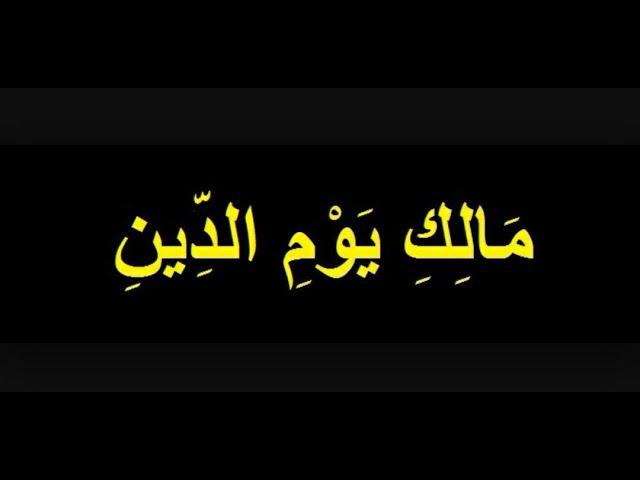

What Does “Malik Yawm Al-Din” Mean?
The Absolute Sovereignty of God
This verse means that Allah is the true owner of the Day of Judgment, the only one who has full authority and control over it, with no partner.
The Day of Judgment Explained
“Yawm Al-Din” refers to the Day of Accountability, when all people will be judged for their deeds and rewarded or punished accordingly.
Why Do We Recite “Malik Yawm Al-Din” in Every Prayer?
A Constant Reminder of the Hereafter
Repeating this verse more than 17 times daily strengthens the believer’s awareness of the afterlife and accountability before God.
Enhancing Humility in Prayer
Realizing that Allah is the Master of the Day of Judgment deepens a person’s humility and focus during الصلاة.
The Impact of This Verse on a Muslim’s Life
Encouraging Righteousness
Belief in accountability motivates individuals to avoid sins and commit to righteous actions.
A Sense of Dependence on God
This verse reminds الإنسان of their weakness and need for God in all aspects of life.
Scholarly Interpretation of “Malik Yawm Al-Din”
Exclusive Authority
Scholars explain that “Malik” refers to the One who has complete and exclusive control over everything.
Connection to Divine Names
The verse is linked to the name “Master of the Kingdom,” reflecting Allah’s power to grant and take away authority.
The Virtues of Surah Al-Fatiha
A Pillar of Prayer
Surah Al-Fatiha is essential for the validity of prayer and is considered the greatest chapter in the Quran.
A Dialogue with God
Reciting Al-Fatiha represents a spiritual conversation between the servant and Allah.
Why Reflect on This Verse?
Deepening Faith
Understanding this verse strengthens belief in divine justice and the reality of the afterlife.
Inner Peace
Believing in a just judgment day brings comfort and reassurance that all rights will be restored.
What does “Malik Yawm Al-Din” mean?
It means that Allah is the sole owner and ruler of the Day of Judgment.
Why is this verse repeated in prayer?
To remind believers of accountability and strengthen their connection with the afterlife.
Does this verse affect behavior?
Yes, it encourages moral conduct and discourages wrongdoing.
What is the Day of Judgment?
It is the day when all people are held accountable for their actions.
Is Surah Al-Fatiha mandatory in prayer?
Yes, it is an essential pillar without which prayer is not valid.




