
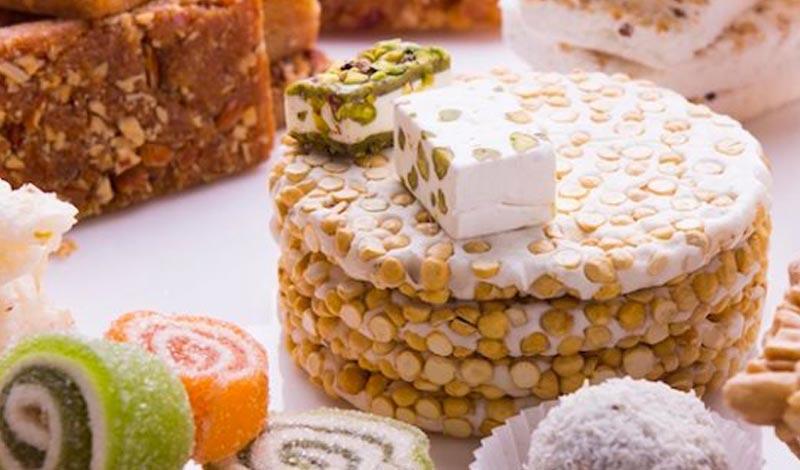

Mawlid sweets, known in Egypt as Halawet Al-Mawlid, are among the most recognizable traditions associated with celebrating the Prophet Muhammad’s Birthday. Every year, as the month of Rabi’ al-Awwal begins, Egyptian families prepare to buy, eat, and exchange these sweets as gifts.
For many Egyptians, the tradition is closely connected to their love for the Prophet Muhammad, peace and blessings be upon him, and their desire to express joy on the occasion of his birth. This connection is also associated with reports that the Prophet loved sweets and honey.
Why Do Egyptians Eat Mawlid Sweets?
Dr. Amr Al-Wardany, Director of Training and Secretary of Fatwa at Egypt’s Dar Al-Ifta, explained that Lady Aisha, may Allah be pleased with her, reported the Prophet’s love of sweets.
He referred to narrations from Lady Aisha indicating that the Messenger of Allah, peace and blessings be upon him, loved sweets and honey.
For this reason, eating sweets during the Prophet’s Birthday celebrations has become associated in Egyptian culture with expressing love and happiness on the occasion and choosing food traditionally linked to the Prophet’s preferences.
Mawlid Sweets as an Egyptian Celebration Tradition
One of the most distinctive traditions surrounding the Prophet’s Birthday in Egypt is buying and exchanging sweets among family members, relatives, and friends.
Over time, Halawet Al-Mawlid has become part of Egypt’s cultural heritage and one of the most recognizable symbols of the celebration. Giving sweets as gifts is often viewed as an expression of affection, happiness, and social connection.
What Is the Ruling on Buying Mawlid Sweets?
Dr. Shawki Allam, the former Grand Mufti of Egypt, stated that buying Mawlid sweets and exchanging them as gifts is permissible in Islamic law. He also described it as falling within recommended acts when the intention is to provide comfort and happiness to family members on the occasion.
According to this view, there is no objection to buying sweets and giving them to relatives, friends, and family, particularly when the practice is accompanied by good intentions such as maintaining family ties and bringing happiness to others.
Is Gifting Mawlid Sweets Recommended?
Dr. Shawki Allam explained that exchanging gifts is encouraged in itself and cited the prophetic saying:
“Give gifts to one another, and you will love one another.”
Accordingly, buying Mawlid sweets and offering them to family members and friends can fall under the general principle of gift-giving, particularly when the intention is to strengthen relationships and bring joy to others.
What Is the Ruling on Celebrating the Prophet’s Birthday?
Dr. Shawki Allam stated that celebrating the Prophet’s Birthday and expressing happiness over it can be among acts of worship and closeness to Allah, provided that the celebration involves lawful forms of joy and righteous deeds.
He noted that this can include the customary practice of buying and exchanging sweets as an expression of happiness at the birth of the Prophet Muhammad, peace and blessings be upon him, and appreciation for things he was reported to love.
Bringing Happiness to Family Members
Buying Mawlid sweets can involve several positive intentions, including providing for the family, bringing happiness to children and relatives, exchanging gifts, and maintaining family ties.
According to this scholarly approach, when a permissible means serves a legitimate and good purpose, it may share in the ruling of that purpose.
How Are Mawlid Sweets Connected to Love for the Prophet?
In Egyptian culture, Mawlid sweets have become strongly associated with love for the Prophet Muhammad and happiness over his birth.
Those who permit this practice point to reports about the Prophet’s appreciation of sweets and honey, along with the general permissibility and encouragement of exchanging gifts and bringing happiness to others.
For this reason, sweets have become part of the celebration rather than simply being viewed as food. They can also represent affection, family connection, generosity, and happiness.
What Have Scholars Said About Expressing Happiness on the Mawlid?
Dr. Shawki Allam referred to the writings of Imam Al-Suyuti in “Husn al-Maqsid fi Amal al-Mawlid”, where he discussed expressing gratitude for the Prophet’s birth through gatherings, providing food, and other forms of righteous actions and legitimate expressions of happiness.
According to this scholarly perspective, lawful forms of celebration may include providing food, exchanging gifts, and bringing happiness to others.
Is There a Religious Basis for Buying Mawlid Sweets?
Buying sweets is, in itself, a permissible everyday practice, while exchanging gifts falls under the general principle of permissible and encouraged gift-giving.
Linking the practice specifically to the Prophet’s Birthday is regarded as permissible by scholars who recognize the legitimacy of celebrating the Mawlid and expressing happiness over it, particularly when accompanied by good intentions such as maintaining family ties and bringing joy to relatives.
Therefore, the ruling on Mawlid sweets is not simply about the sweets themselves, but also about the context and intention behind buying and gifting them.
Is buying Mawlid sweets permissible?
Yes. According to the position cited from Dr. Shawki Allam, buying and gifting Mawlid sweets is permissible and may be recommended when intended to bring happiness to family members.
Why are sweets associated with the Prophet’s Birthday?
In Egypt, sweets became closely associated with Mawlid celebrations, alongside reports that the Prophet Muhammad, peace and blessings be upon him, loved sweets and honey.
Is it permissible to give Mawlid sweets as gifts?
Yes. Gift-giving is permissible in principle, and the prophetic tradition encourages people to exchange gifts and strengthen affection.
Is celebrating the Prophet’s Birthday permissible?
Dr. Shawki Allam stated that celebrating the Prophet’s Birthday and expressing happiness over it can be considered among righteous acts when carried out through lawful practices.
What are common ways to celebrate the Prophet’s Birthday?
Among the practices mentioned are providing food, exchanging gifts, bringing happiness to family members, maintaining family ties, and expressing happiness over the Prophet’s birth.




