
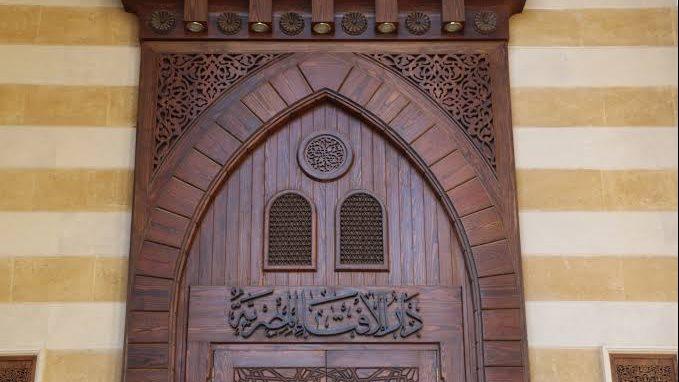

The Egyptian Dar Al-Ifta explained the meaning of the Prophet Muhammad’s statement, “When you pray for me, offer the best prayer,” clarifying what it means to honor the Prophet through blessings, praise, and remembrance.
The explanation addressed whether Muslims should restrict themselves to specific established formulas or whether other appropriate expressions of blessings and praise may also be used.
What Does “Offer the Best Prayer” Mean?
The expression refers to offering blessings upon the Prophet Muhammad in a manner that reflects his noble status and expresses his honor, virtue, and distinguished character.
This includes regularly sending blessings upon him, following his example, praising him appropriately, and recognizing his honored position.
Sending blessings also reflects a Muslim’s love and respect for the Prophet and the desire to keep his remembrance alive.
Are There Specific Forms of Blessings Upon the Prophet?
There are established forms of sending blessings upon the Prophet that were taught in the Prophetic tradition, including formulas that the Prophet taught his Companions.
At the same time, the discussion emphasizes that the broader practice of sending blessings allows appropriate expressions that convey praise and respect in sound and eloquent language.
Therefore, the practice is not necessarily restricted to one single wording, provided that the expressions carry sound meanings and remain appropriate to the Prophet’s honored status.
The Variety of Forms of Blessings Upon the Prophet
Scholars and righteous Muslims throughout Islamic history have used a variety of forms for sending blessings upon the Prophet, including both prose and poetic expressions.
This variety reflects the broad scope of expressing love, respect, praise, and appreciation for the Prophet while maintaining proper religious etiquette.
Scholars also devoted considerable attention to collecting and explaining the various forms of blessings reported in the Prophetic tradition.
Is It Permissible to Use a New Formula for Blessings?
According to the explanation, a person who has the ability to express themselves clearly may use eloquent and appropriate wording to convey blessings and praise for the Prophet.
The wording should carry sound meanings and remain consistent with Islamic beliefs and principles.
At the same time, the established formulas taught by the Prophet remain especially important because they are part of the Prophetic guidance transmitted to his Companions.
The Statement Attributed to Ibn Masud
The explanation also refers to a statement attributed to Abdullah ibn Masud:
“When you send blessings upon the Messenger of Allah, offer the best prayer upon him, for you do not know whether it may be presented to him.”
The meaning emphasizes the importance of choosing good expressions when sending blessings and peace upon the Prophet.
How Should Muslims Send Blessings Upon the Prophet?
A Muslim can frequently send blessings and peace upon the Prophet and give special attention to the established formulas found in the Prophetic tradition.
A person may also use eloquent expressions of praise and blessings that are appropriate to the Prophet’s honored status, while observing Islamic etiquette and maintaining sound meanings.
Sending blessings upon the Prophet remains one of the noble forms of remembrance, expressing love, respect, and appreciation for the Messenger of Allah.
What does “offer the best prayer” upon the Prophet mean?
It means sending blessings upon the Prophet in a way that reflects his noble status and expresses love, respect, and praise.
Can Muslims use forms of blessings that are not specifically narrated?
Appropriate and eloquent expressions may be used, provided their meanings are sound and respectful.
Must Muslims use only one formula?
No. Multiple forms of blessings are known, while the established Prophetic formulas remain especially important.
What is the best way to send blessings upon the Prophet?
Muslims should give special attention to the formulas taught by the Prophet and frequently send blessings and peace upon him.




