
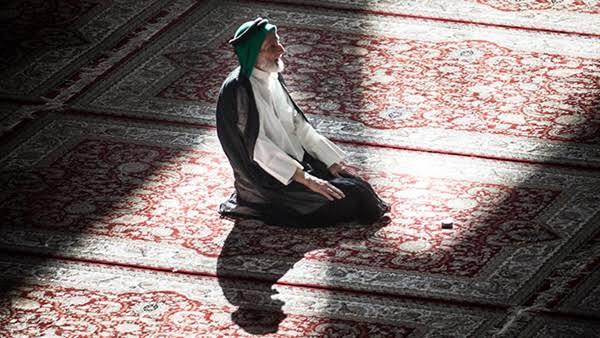

Al-Azhar’s Global Center for Electronic Fatwa explained the rulings concerning missed obligatory prayers, including what a Muslim should do when a prayer is missed because of sleep or forgetfulness.
The guidance also addresses how to make up all five daily prayers if they were missed in one day, how to deal with prayers missed over several years, and whether a missed prayer should be recited aloud or silently when it is made up.
The center emphasized that observing the prescribed prayer times is among the greatest acts of worship and among the deeds most beloved to Allah.
What Should Someone Do If a Prayer Is Missed Because of Sleep or Forgetfulness?
Al-Azhar’s Global Center for Electronic Fatwa explained that anyone who misses a prayer because of sleep or forgetfulness should perform it once they are able to do so.
The center cited the Prophet Muhammad’s saying: “Whoever forgets a prayer should perform it when he remembers it; there is no other expiation for it.”
According to the guidance, missed obligatory prayers may be made up during the night or day. Making up the missed prayer serves as the required expiation for missing it, with no additional expiation required simply because the prayer was made up later.
How Should a Muslim Make Up a Full Day of Missed Prayers?
Al-Azhar explained that a person who misses the prayers of an entire day should make them up in order, beginning with the prayer that was missed first and then proceeding to the following prayers.
However, the requirement to maintain this order is dropped when the number of missed prayers exceeds five, according to the explanation provided by the center.
How Should Prayers Missed for Years Be Made Up?
According to Al-Azhar’s guidance, a person who previously neglected prayer for a period of their life and then repented should estimate the period during which prayers were missed and work toward making up those prayers.
One method mentioned is to perform one missed prayer alongside each current obligatory prayer. Another option is to perform the prayers of a complete day consecutively and continue doing so until the missed prayers have been completed.
The center also stressed the importance of voluntary prayers because of their virtue. However, performing additional voluntary prayers does not replace making up missed obligatory prayers, according to the cited ruling.
Should a Missed Prayer Be Recited Aloud or Silently?
Mahmoud Shalaby, a fatwa secretary at Egypt’s Dar Al-Ifta, explained that whether a missed prayer should be recited aloud or silently depends on the time at which the prayer is being made up, rather than the time when it was originally due.
The prayers normally recited aloud are Fajr, Maghrib, and Isha, while Dhuhr and Asr are normally recited silently.
For example, if someone missed Fajr and makes it up during the time of Dhuhr or Asr, the recitation is performed silently because the relevant factor is the current time of making up the prayer.
Conversely, if someone missed Asr and makes it up during Maghrib or Isha, the recitation is performed aloud because the missed prayer is being made up during a period associated with an audible prayer.
Dar Al-Ifta’s explanation therefore makes the time of performing the missed prayer the determining factor for whether the recitation is audible or silent.
Key Takeaway
A missed prayer should be made up when the person remembers it or is able to perform it. The order of missed prayers depends on their number, while the method of audible or silent recitation, according to the cited Dar Al-Ifta explanation, depends on the time when the prayer is being made up.
Can missed prayers be made up at any time?
Yes. Al-Azhar explains that missed obligatory prayers may be made up during the night or day.
How should someone make up a full day of missed prayers?
They should make them up in order, beginning with the prayer missed first.
What should someone do about prayers missed for years?
They should estimate the period of missed prayers and work toward making them up.
Should a missed prayer be recited aloud or silently?
According to Dar Al-Ifta’s explanation, this depends on the time when the missed prayer is being performed.
Do voluntary prayers replace missed obligatory prayers?
No. Voluntary prayers do not replace making up missed obligatory prayers according to the cited ruling.




