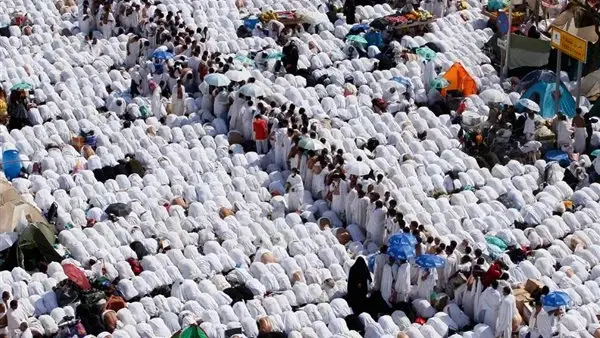
Do Penalties Multiply in Hajj When Repeating Ihram Violations?
Ihram marks the sacred threshold between ordinary life and a state of pure devotion, where pilgrims must avoid specific prohibitions. However, some may fall into these violations—intentionally or unintentionally—raising an important question: do penalties multiply in Hajj when violations are repeated?
In this article, we clarify the ruling in detail based on different scenarios, in a clear and structured way that aligns with the reader’s search intent.
What Is the Ruling on Repeating the Same Ihram Violation?
Repeating Without Paying a Penalty
If a pilgrim commits the same violation multiple times without offering expiation for the first:
- Only one penalty (fidya) is required.
- Because the act is of the same type and no expiation separated the occurrences.
Repeating After Paying a Penalty
If the pilgrim:
- Commits a violation,
- Pays the penalty,
- Then repeats the same violation again,
In this case:
- The penalty must be repeated.
- Because the first expiation cleared the previous violation, making the new act independent.
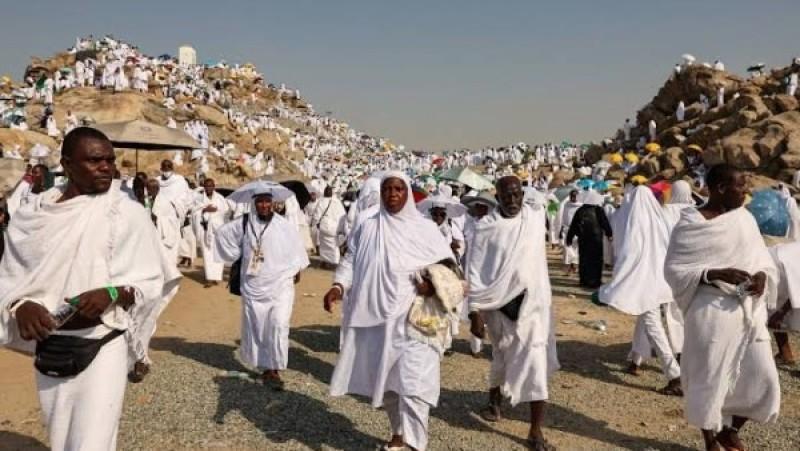
Do Penalties Multiply with Different Violations?
Committing Multiple Types of Violations
If the pilgrim commits different violations, such as:
- Shaving hair
- Covering the head
- Using perfume
- Trimming nails
Then:
- A separate penalty is required for each violation.
- Because each act belongs to a different category and does not overlap.
Ruling on Hunting During Ihram
Is It Different from Other Violations?
Yes, hunting carries a distinct ruling:
- The penalty multiplies with each occurrence.
- Even if the pilgrim has not paid for previous instances.
Meaning:
- Each act of hunting requires its own separate penalty.
What Are the Prohibitions of Ihram?
Key Violations to Avoid
Scholars agree on several prohibitions, including:
- Covering the head for men
- Shaving or removing hair from the body
- Trimming nails
- Using perfumes and fragrances
- Sexual relations or foreplay
- Wearing stitched clothing for men
- Hunting wild animals
- Cutting trees within the sacred precinct
Specific Prohibitions for Women
- Covering the face
- Wearing gloves
Why Do Penalty Rulings Differ?
The Wisdom Behind Multiplicity
The variation in rulings depends on:
- Type of violation (same or different)
- Repetition of the act
- Whether expiation was performed previously
Islamic law balances ease and discipline—avoiding hardship in repeated acts without expiation, while enforcing penalties when violations are repeated after atonement.
Summary of the Ruling
- Repeating the same violation without expiation: one penalty
- Repeating after expiation: new penalty required
- Multiple different violations: separate penalty for each
- Hunting: penalty for every occurrence
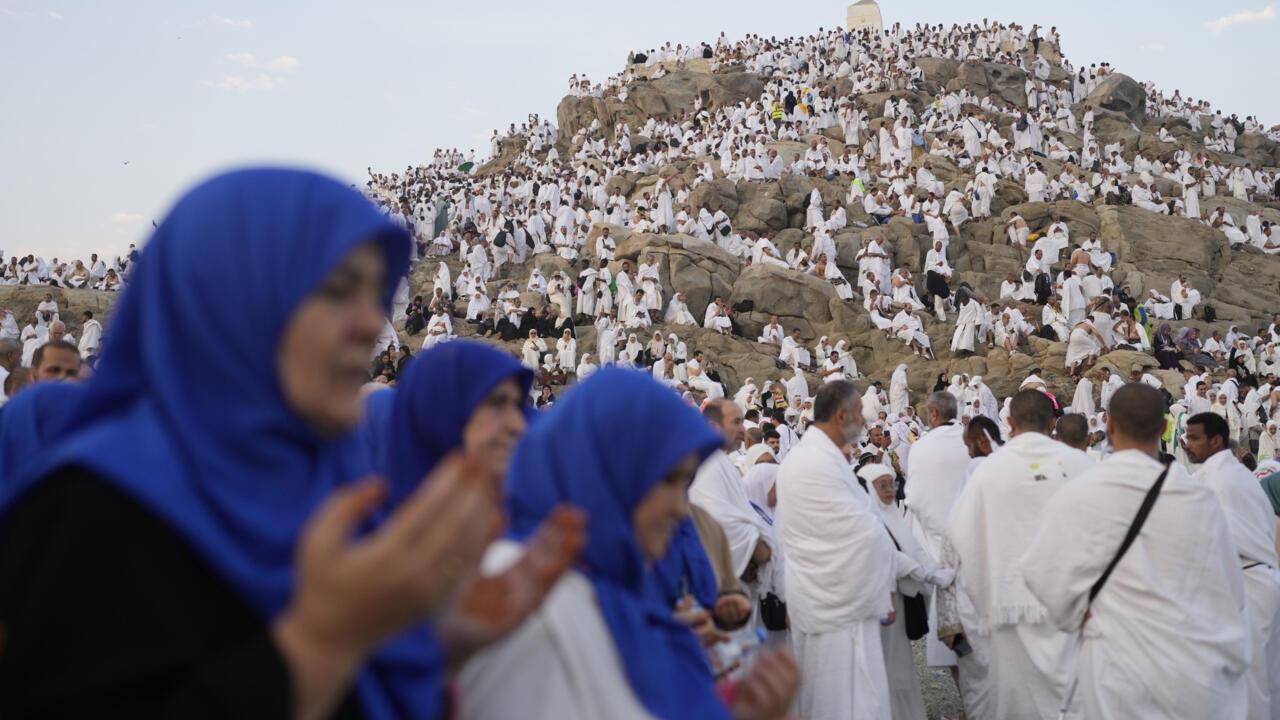
FAQ
Do I need to pay a penalty for every mistake in Ihram?
Not always; it depends on the type of violation and whether it was repeated before or after expiation.
Can penalties be combined for multiple violations?
No, if they are different types, each requires its own separate penalty.
What should I do if I didn’t know the ruling during Hajj?
You should consult a qualified scholar or an official authority as soon as possible.
Is the penalty waived if the mistake was unintentional?
In some cases, ignorance or forgetfulness may be excused, but it is best to verify the ruling for your specific situation.
Is hunting during Ihram treated differently?
Yes, its penalty applies to every single occurrence, even without prior expiation.