Islamic Dress Code for Women: Conditions of Proper Hijab in Islam
Learn the Islamic dress code for Muslim women, including the conditions of proper hijab, modest clothing guidelines, and when hijab becomes obligatory.
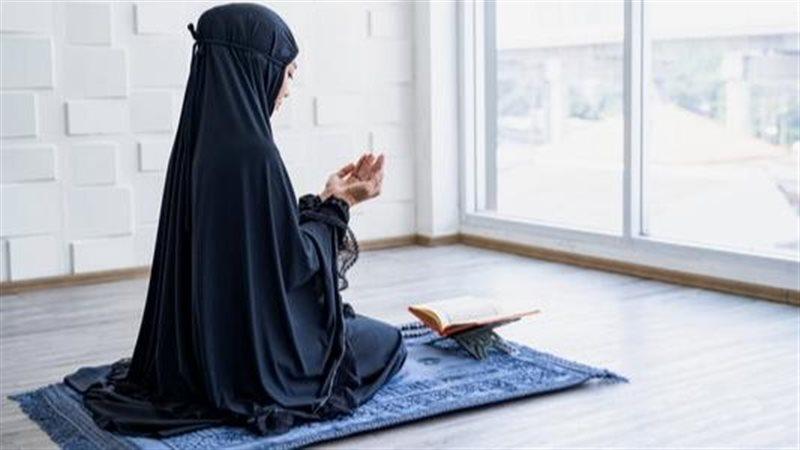

Is Hijab Obligatory in Islam?
Hijab is considered a religious obligation in Islam. The Qur’an instructs Muslim women to dress modestly and maintain dignity, emphasizing values of chastity and احترام.
Hijab is not merely a cultural practice, but a form of عبادة that reflects a woman’s faith and identity.
Requirements of Islamic Dress for Women
Full Coverage of the Body
The Islamic dress must cover the entire body except for the face and hands. Some scholars also permit showing the feet. The clothing should provide proper coverage without exposing any part of the body.
Not Tight or Transparent
Among the most important conditions:
- Clothing must not be tight to reveal body shape
- Clothing must not be transparent
The purpose is to ensure true modesty, not just superficial covering.
Not Attractive or Eye-Catching
The dress should:
- Not be overly decorative
- Not attract attention
- Not provoke temptation
Modesty is the core objective of hijab.
Is There a Specific Color for Hijab?
Freedom in Choosing Colors
Islam does not require a specific color such as black. Women can wear any color they prefer, provided that:
- It is not flashy or attention-grabbing
- It does not serve as adornment
This allows flexibility while maintaining modesty.
When Does Hijab Become Mandatory?
Age of Responsibility
Hijab becomes obligatory when a woman reaches puberty, as she then becomes accountable for fulfilling religious duties.
Exceptions and Necessities
When Is It Permissible to Uncover?
In certain necessary situations, a woman may uncover parts of her body, such as:
- Medical examination or treatment
- حالات الضرورة
This is allowed only to the extent required.
Wisdom Behind Islamic Dress
Protection and Dignity
The Islamic dress code carries deeper meanings, including:
- Preserving dignity
- Reducing temptation
- Promoting moral values
- Encouraging modesty in society
Conclusion
The Islamic dress code for women is built on clear principles: modesty, full coverage, non-transparency, and avoiding attraction. Within these guidelines, women have freedom in style and color.
What are the main conditions of hijab?
It must be loose, non-transparent, cover the body, and not attract attention.
Can women wear colorful clothes?
Yes, as long as they are not flashy or attention-grabbing.
Is covering the face and hands required?
Most scholars allow them to remain uncovered.
Is hijab obligatory or optional?
Hijab is obligatory for Muslim women after puberty.
Can hijab be removed in necessity?
Yes, in cases like medical needs and only as required.

Discover the strongest dua for protecting children from harm, the evil eye, and envy, along with authentic supplications from the Sunnah.
Read the complete story of Prophet Lot (Lut), why his people were destroyed, how Allah saved His prophet, and the lessons Muslims can learn from this Quranic story.
Egypt's Grand Mufti Dr. Nazir Ayyad clarified the Islamic ruling on a wife's inheritance when her husband dies before consummation of the marriage.

Discover the best dua for sustenance and fulfilling needs after Fajr prayer, including authentic supplications for lawful provision, debt relief, and easing difficulties.
