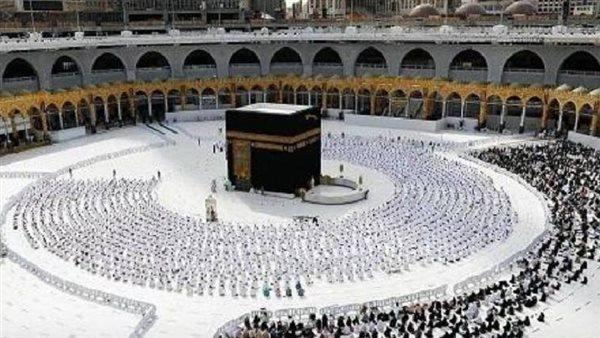
Tawaf around the Holy Kaaba is one of the most significant rituals of Hajj and Umrah, symbolizing devotion and submission to Allah, as pilgrims circle the Kaaba in a powerful act of worship that unites heart and body in obedience.
What Is Tawaf?
Tawaf means circling the Kaaba seven times, starting and ending at the Black Stone, while keeping the Kaaba on the left side of the pilgrim. It is an act of worship established in both the Qur’an and Sunnah.
Obligations and Conditions of Tawaf
Among the key conditions agreed upon by most scholars for a valid Tawaf are:
- Ritual purity from impurity
- Covering the ‘awrah
- Performing Tawaf inside the Sacred Mosque
- Completing seven full rounds
- Starting and ending at the Black Stone
Some scholars consider these conditions essential for the validity of Tawaf itself.
Types of Tawaf in Hajj
Tawaf in Hajj is divided into several types, each performed at a specific time:
1- Tawaf al-Qudum (Arrival Tawaf)
Performed upon arriving in Makkah, and it is recommended for pilgrims.
2- Tawaf al-Ifadah
A fundamental pillar of Hajj performed after standing at Arafat; without it, Hajj is incomplete.
3- Tawaf al-Wada (Farewell Tawaf)
The final ritual before leaving Makkah after completing all pilgrimage rites.
Tawaf in Umrah
In Umrah, there is one essential Tawaf known as Tawaf al-Umrah, which is a pillar and must be completed for the Umrah to be valid.
Virtue of Tawaf
Tawaf is a profound act of worship through which sins are forgiven and ranks are elevated, reflecting deep spiritual purification and closeness to Allah.
For more details and the latest news, follow Masr Connect