Why Were the People of the Sabbath Transformed? The Complete Story
Learn the full story of the People of the Sabbath, why Allah punished them, and the important lessons Muslims can learn from this Quranic account.


The story of the People of the Sabbath is one of the most powerful narratives in the Quran. It demonstrates the danger of trying to circumvent Allah's commands and teaches that deceptive tricks cannot make what is forbidden lawful.
Why Was the Sabbath Special?
Allah commanded the Children of Israel to honor a sacred day and prohibited them from fishing on the Sabbath as a test of obedience.
The Story of the People of the Sabbath
Allah tested a coastal community by causing fish to appear abundantly on the Sabbath while disappearing on other days. Instead of obeying the command, some residents devised clever schemes to catch fish without appearing to violate the law.
How Did They Circumvent the Command?
They dug pools near the sea, set traps before the Sabbath, and collected fish afterward, believing they had avoided direct disobedience.
The Three Groups
The community split into three groups: Those who violated Allah's command. Those who warned and advised them. Those who neither participated nor actively advised.
Why Were They Punished?
When they persisted in defiance, Allah punished the wrongdoers by transforming them into apes, as mentioned in Surah Al-A'raf (7:166).
Did They Leave Descendants?
Authentic hadith confirms that those transformed did not leave offspring. Therefore, today's apes and pigs are not descendants of the transformed people.
Lessons from the Story
Obedience Comes Before Clever Tricks
Religious rulings cannot be bypassed through deception.
The Importance of Forbidding Evil
Those who sincerely warned against wrongdoing were saved.
Patience in Obeying Allah
Tests are meant to distinguish sincere believers from those who reject Allah's commands.
Beware of Mocking Divine Commands
The story highlights the severe consequences of persistently violating Allah's laws.

Looking for the fastest dua for rizq? Discover authentic Islamic supplications for sustenance, along with the Quranic and Prophetic keys to increasing provision and blessings.

Discover the story of Abu Bakr Al-Siddiq's acceptance of Islam, his unwavering faith in Prophet Muhammad ﷺ, and his vital role in spreading Islam.
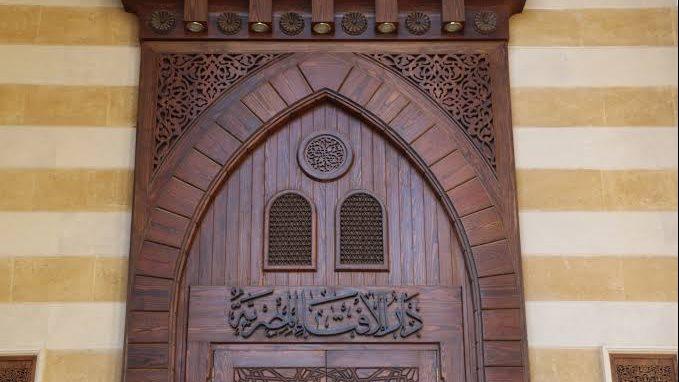
Egypt's Dar Al-Ifta clarifies the Islamic ruling on whether earthquakes are divine punishment and explains whether there is a specific supplication to recite during earthquakes.

Ishmael (Ismail) continued his prophetic mission after the great sacrifice, helped Prophet Abraham rebuild the Kaaba, and devoted his life to calling people to worship Allah alone.
