Photography During Hajj and Umrah: When Is It Permissible?
Learn the Islamic ruling on taking photos during Hajj and Umrah, the proper guidelines for photography in sacred places, and when excessive photography becomes inappropriate.
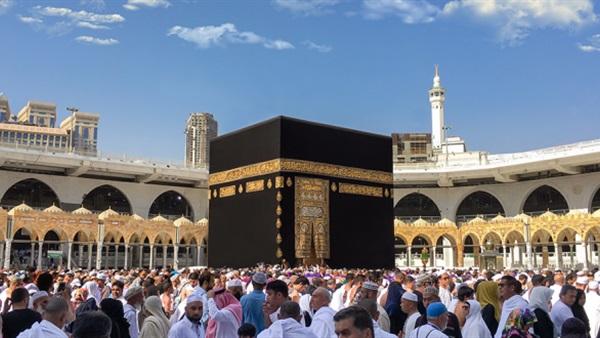
Many pilgrims and visitors to the sacred places take photographs to document their spiritual journey and preserve memories of their Hajj or Umrah experience.
However, excessive attention to photography during the rituals raises an important question about its Islamic ruling and the limits that should be observed.
In principle, taking photographs during Hajj or Umrah is permissible, provided that doing so does not obstruct or disturb other pilgrims and does not become a distraction from worship and devotion.
Is Photography During Hajj and Umrah Permissible?
Photography during Hajj and Umrah is permissible in principle, and taking a personal or commemorative photograph is not prohibited merely because it takes place during the pilgrimage.
However, this permissibility must be accompanied by respect for the sanctity of the sacred places and consideration for other pilgrims.
A person should avoid standing in crowded areas in a way that blocks worshippers, interrupts movement, or causes difficulty for others.
When Does Photography Become Inappropriate?
When It Obstructs Other Pilgrims
Photography can become inappropriate when it interferes with the movement of pilgrims or causes people to stop and wait unnecessarily.
This is particularly important in crowded areas and when elderly pilgrims or people with mobility difficulties are present.
When It Causes Harm or Hardship
Taking numerous photographs may sometimes inconvenience people nearby by forcing them to wait, change direction, or move around someone who is standing in their path.
A Muslim should therefore consider the rights and circumstances of others before taking a photograph.
When It Distracts From Worship
Hajj and Umrah are acts of worship that require attentiveness, humility, remembrance, and devotion.
Constantly using a phone to take, review, and arrange photographs can distract a pilgrim from the spiritual purpose of the journey.
What Etiquette Should Be Observed in Sacred Places?
Respecting the Sanctity of the Sacred House
A Muslim should recognize the special status of the sacred places and behave with dignity, humility, and reverence.
Photography should not become the main focus of a pilgrim's presence there.
Considering Other Pilgrims
One of the important principles of proper conduct during Hajj and Umrah is avoiding harm and unnecessary hardship to others.
If taking a photograph requires standing in a crowded passage or blocking elderly pilgrims, leaving the photograph is preferable.
Prioritizing Worship Over Documentation
The main purpose of Hajj and Umrah is worship, remembrance, supplication, and drawing closer to Allah.
Photographs should therefore remain secondary rather than becoming the central activity of the pilgrimage.
Why Is Excessive Photography During Hajj Discouraged?
The concern is not simply the photograph itself, but excessive photography and its consequences.
Repeatedly stopping for photographs can obstruct other pilgrims and may also cause a person to spend valuable time focusing on their phone rather than remembrance and supplication.
Because the sacred places can become extremely crowded, an individual action that interferes with others may create unnecessary hardship.
Does Taking Photos Invalidate Hajj or Umrah?
Simply taking a commemorative photograph does not invalidate Hajj or Umrah, provided that the act itself does not involve something prohibited and does not lead to abandoning an obligatory part of the pilgrimage.
Nevertheless, excessive photography can affect a person's concentration and distract them from the purpose of worship.
The important consideration is therefore whether photography remains limited or begins to interfere with the rituals and the rights of other pilgrims.
How Can Pilgrims Balance Photography and Worship?
A pilgrim may take a photograph when appropriate and at a suitable time while avoiding highly crowded areas and ensuring that they do not obstruct other people.
Most importantly, photography should remain limited while the pilgrim's attention stays focused on worship, remembrance, supplication, and the spiritual significance of the journey.
Every moment in the sacred places can be an opportunity for devotion, repentance, and drawing closer to Allah. It is therefore wise not to allow constant phone use to dominate the experience.
Conclusion
Photography during Hajj and Umrah is permissible in principle, provided that it does not obstruct, harm, or inconvenience other pilgrims and does not distract the pilgrim from performing the rituals with humility and devotion.
A Muslim should maintain dignity and respect in the sacred places, making worship, remembrance, and supplication the priority while keeping photography secondary and limited.
Is photography allowed during Hajj and Umrah?
Yes. Photography is permissible in principle as long as it does not disturb others or distract the pilgrim from worship.
Does taking commemorative photos invalidate Hajj?
No. Taking photographs does not by itself invalidate Hajj, although it should not lead to neglecting obligations or harming others.
Is excessive photography during Hajj discouraged?
Excessive photography is inappropriate when it obstructs pilgrims, causes hardship, or distracts a person from worship.
What should a pilgrim prioritize: photography or worship?
Worship, remembrance, supplication, and performing the rituals should remain the pilgrim's priority, while photography should be limited and secondary.
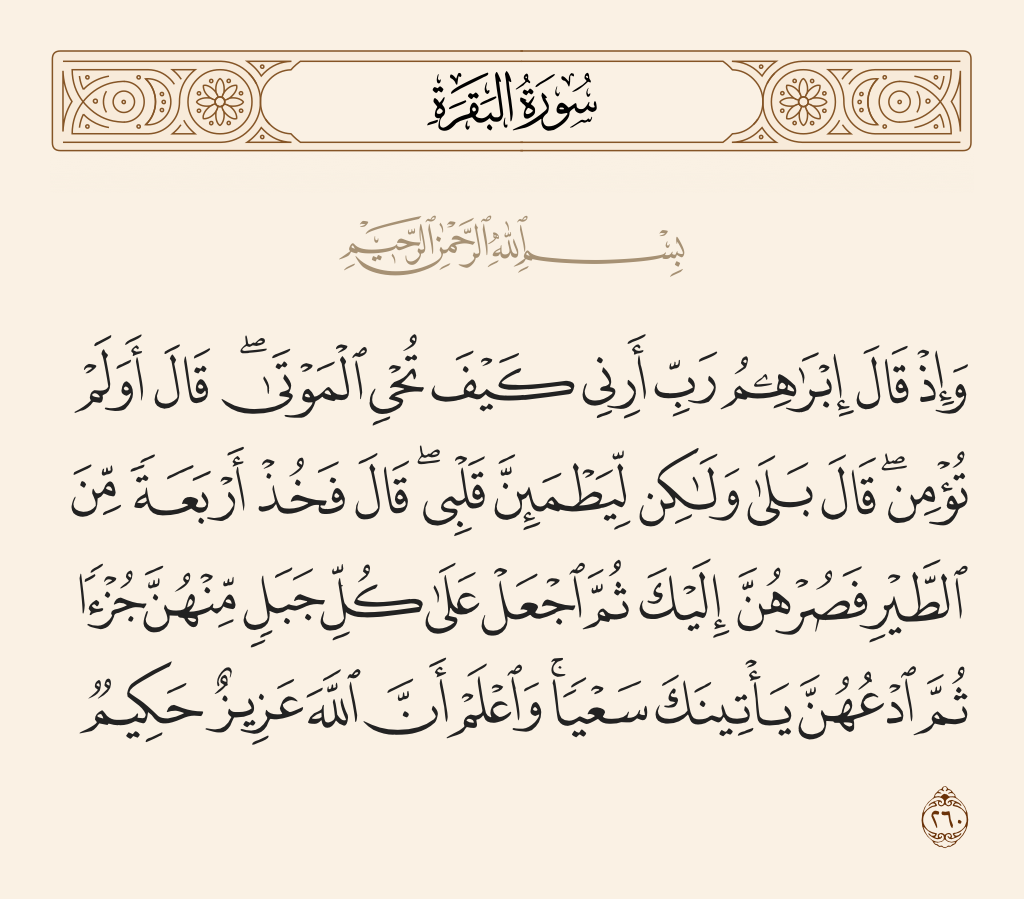
Learn about the virtue of Surah Al-Baqarah in the home, whether it must be completed in one sitting, and the ruling on dividing its recitation
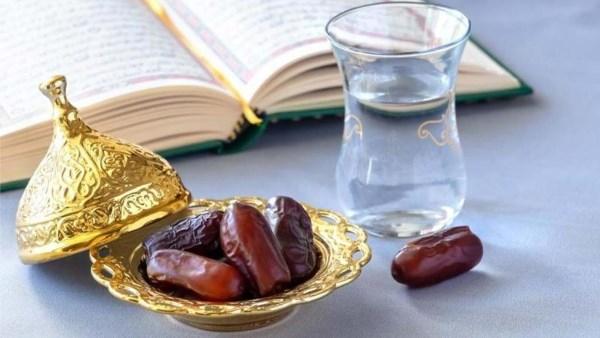
Learn about fasting the last Monday of Rabi al-Awwal 2026, the established virtue of Monday fasting in the Sunnah, and the rewards of voluntary fasting.
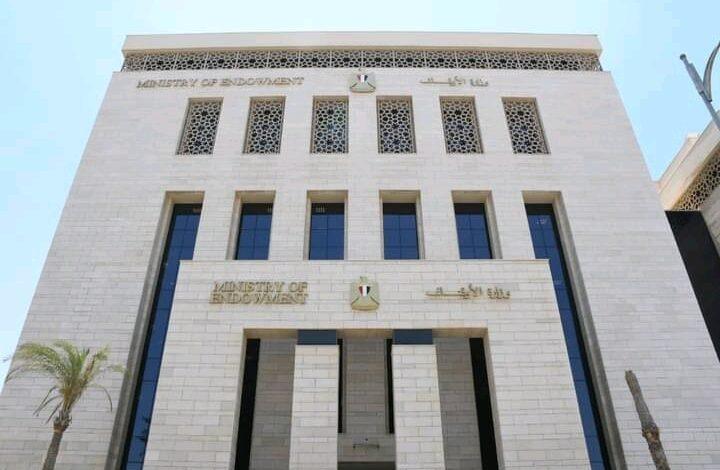
Egypt’s Ministry of Awqaf, in cooperation with Al-Azhar, continues the Fixed Pulpit Program in September 2026 with 10,180 seminars promoting religious and ethical values

What is the Islamic ruling on donating the deceased’s clothes, and can they be kept as memories? Learn how inheritance rights apply to clothing and personal belongings.
