The Five Pillars of Islam: The Foundations of the Islamic Faith
The Five Pillars of Islam are the Shahada, prayer, Zakat, fasting Ramadan, and Hajj for those who are able. They form the essential foundations of Islamic practice
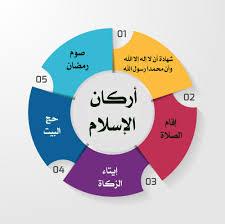

The Five Pillars of Islam are the fundamental acts of worship upon which Islamic practice is built. The Prophet Muhammad ﷺ explained their importance in the well-known hadith: “Islam has been built on five.”
The five pillars are the testimony of faith, establishing prayer, giving Zakat, fasting Ramadan, and performing Hajj for those who are able to do so.
Together, these pillars combine faith, worship, obedience, charity, discipline, and devotion to Allah.
What Are the Five Pillars of Islam?
The Five Pillars of Islam are:
- The Shahada – testimony of faith
- Establishing prayer
- Giving Zakat
- Fasting Ramadan
- Performing Hajj for those who are able
What Are the Details of the Five Pillars?
First: The Shahada
The Shahada is the testimony that there is no deity worthy of worship except Allah and that Muhammad is the Messenger of Allah.
It is the foundation of entering Islam and expresses belief in the oneness of Allah and in the message brought by Prophet Muhammad ﷺ.
Second: Establishing Prayer
Prayer is the second pillar of Islam. Muslims are required to perform five obligatory prayers each day and night: Fajr, Dhuhr, Asr, Maghrib, and Isha.
Prayer strengthens the believer's relationship with Allah and encourages discipline, remembrance, and obedience.
Third: Giving Zakat
Zakat is the third pillar of Islam. It is an obligatory form of charity on qualifying wealth when the required conditions are met, including reaching the prescribed threshold.
Zakat supports those in need and contributes to social solidarity and compassion within the Muslim community.
Fourth: Fasting Ramadan
Fasting Ramadan is the fourth pillar of Islam. During the month of Ramadan, Muslims fast from dawn until sunset, refraining from acts that invalidate the fast.
Fasting teaches patience, self-control, mindfulness of Allah, and compassion for those who experience hardship.
Fifth: Performing Hajj
Hajj is the fifth pillar of Islam. It is the pilgrimage to the Sacred House in Makkah, and it is required once in a lifetime for Muslims who are physically and financially able to perform it.
During Hajj, Muslims perform specific acts of worship at designated places and times.
Why Are These Called the Pillars of Islam?
They are called pillars because they represent the fundamental practices upon which a Muslim's religious life is built.
The Prophetic hadith brings these five essential practices together in a concise explanation that makes their importance clear.
The Five Pillars of Islam are distinct from the Six Articles of Faith. The Articles of Faith describe what Muslims believe, while the Five Pillars describe fundamental acts of worship and religious practice.
Why Is It Important to Know the Five Pillars of Islam?
Understanding the Five Pillars helps Muslims recognize the essential foundations of Islamic practice and understand the major acts of worship required in Islam.
Beginning with the testimony of faith and continuing with prayer, Zakat, fasting, and Hajj, the pillars create a comprehensive framework of worship, devotion, charity, discipline, and obedience to Allah.
How many pillars does Islam have?
Islam has five pillars.
What is the first pillar of Islam?
The first pillar is the Shahada, the testimony that there is no deity worthy of worship except Allah and that Muhammad is the Messenger of Allah.
What is the second pillar of Islam?
The second pillar is establishing the five obligatory daily prayers.
What is the third pillar of Islam?
The third pillar is giving Zakat when a Muslim meets the required conditions.
What is the fifth pillar of Islam?
The fifth pillar is Hajj, the pilgrimage to Makkah, which is required once in a lifetime for Muslims who are able to perform it.

Discover the best dua before sleeping, along with key prophetic supplications and recommended Sunnah practices for protection, peace, and tranquility.
Learn about prayers for protecting children and a husband, including supplications for safety, wellbeing, protection from evil and the recitation of Quranic verses.
Egypt's Dar Al-Ifta explains whether a father's guardianship over his daughter in marriage is automatically lost if he commits major sins and clarifies the role of the courts.

Islamic authorities explain the ruling on women praying in public places, whether men seeing a woman during prayer affects its validity, and whether she may pray sitting.
