Powerful Dua for Everything: Best Supplications for Needs, Relief, and Blessings

Discover a powerful dua for everything, including the best supplications for fulfilling needs, easing hardships, increasing blessings, and seeking Allah’s mercy according to Islamic teachings.

  Mon , July 20 2026 / 01:08 PM Updated At: 2026-07-20 13:08:50

Many Muslims search for a powerful dua for everything, hoping to seek Allah’s help, fulfill their needs, find relief from difficulties, and strengthen their connection with their Creator. Dua (supplication) is one of the greatest acts of worship in Islam, as it represents a believer’s direct communication with Allah and a source of hope and comfort.

Egypt’s Dar Al-Ifta has emphasized that making dua requires complete faith that Allah is near and responds to those who call upon Him, along with observing the proper manners of supplication and maintaining sincerity and humility.


What Is an Accepted Dua?

An accepted dua is a sincere supplication made by a believer with a pure heart, strong faith, and trust in Allah’s mercy and wisdom.

The acceptance of dua does not always mean receiving exactly what a person asks for immediately. Allah may grant the request, remove a harm, or save the reward for the Hereafter.


Etiquette of Making Dua

Having Faith and Trust in Allah

One of the most important conditions of dua is believing that Allah hears every prayer and knows every need.

Sincerity and Humility

Dua is not merely words spoken by the tongue; it is a heartfelt conversation between the servant and Allah that requires sincerity and devotion.

Avoiding Excessive Loudness

Allah says:

"Call upon your Lord humbly and privately."

Therefore, calmness, humility, and sincerity are among the qualities encouraged when making dua.

Facing the Qiblah

Facing the Qiblah while making dua is recommended whenever possible, following the example of Prophet Muhammad (peace be upon him).


Best Times for Dua to Be Accepted

There are blessed times when Muslims are encouraged to increase their supplications, including:

Between the Adhan and Iqamah

The time between the call to prayer and the beginning of prayer is among the recommended times for making dua.

During Sujood (Prostration)

Prostration is one of the closest moments between a servant and Allah, and Muslims are encouraged to make abundant dua during it.

Before Sunrise and Sunset

These are blessed times for remembering Allah and seeking His mercy.

The Last Third of the Night

A special time for seeking forgiveness, mercy, and fulfillment of needs.


Powerful Dua for Everything to Fulfill Needs and Ease Affairs

A Muslim may ask Allah for anything beneficial in this world and the Hereafter. Among the comprehensive supplications are:

  • O Allah, rectify my religion, my worldly affairs, and my Hereafter.
  • O Allah, fulfill my needs, ease my affairs, and open the doors of goodness for me.
  • O Allah, grant me lawful, abundant, and blessed provision.
  • O Allah, forgive me, my parents, and all Muslims.
  • O Allah, relieve my worries, remove my distress, and take away my sadness.
  • O Allah, grant me health, wellness, and a long life in Your obedience.
  • O Allah, provide a way out from every hardship and relief from every worry.
  • O Allah, guide me to the best manners and deeds.
  • O Allah, grant me success and guidance in all my affairs.
  • O Allah, make the Quran the light of my heart and the remover of my worries.
  • O Allah, keep me firm upon the truth and do not let my heart deviate after guidance.
  • O Allah, grant me a good ending, Your pleasure, and Paradise.
  • O Allah, grant me a share of every goodness You send down.
  • O Allah, suffice me with what You have made lawful instead of what You have forbidden, and enrich me through Your bounty.
  • O Allah, bless my provision, my time, and my family.
  • O Allah, place ease and blessings in all my affairs.
  • O Allah, grant me a peaceful heart and a tongue that remembers You.
  • O Allah, protect me from evil, trials, and hardships, those apparent and hidden.
  • O Allah, open for me the doors of Your mercy and generosity.
  • O Allah, make me among Your righteous and accepted servants.
  • O Allah, grant me beneficial knowledge and righteous deeds.
  • O Allah, forgive every sin of mine and remove every worry.
  • O Allah, make me among those who are grateful, patient, and always remembering You.
  • O Allah, grant me the goodness of this world and the Hereafter and protect me from the punishment of the Fire.
  • O Allah, accept my dua through Your mercy, O Most Merciful.

Dua That Is Not Rejected

Islamic teachings mention certain supplications that are especially hoped to be accepted, including:

The Dua of the Oppressed

The Prophet Muhammad (peace be upon him) said:

"Beware of the supplication of the oppressed, for there is no barrier between it and Allah."

The Dua of Parents for Their Children

The prayers of parents for their children’s goodness are among the blessed supplications.

The Dua of the Fasting Person

The supplication of the fasting person at the time of breaking the fast is among the moments of hope for acceptance.

The Dua of the Traveler

A traveler on a lawful journey is among those whose prayers are hoped to be answered.

Supplication for Others in Their Absence

When a Muslim prays for another Muslim without their knowledge, the angels say:

"And for you the same."


Best Accepted Supplications from the Quran and Sunnah

Among the greatest comprehensive duas are:

  • Our Lord, give us good in this world and good in the Hereafter and protect us from the punishment of the Fire.
  • Our Lord, do not let our hearts deviate after You have guided us and grant us mercy from Yourself.
  • My Lord, expand my chest, ease my task, and untie the knot from my tongue so they may understand my speech.
  • O Allah, I ask You for guidance, righteousness, chastity, and self-sufficiency.
  • O Allah, I seek refuge in You from anxiety, sorrow, weakness, laziness, miserliness, cowardice, overwhelming debt, and oppression.
  • O Allah, forgive me, have mercy on me, guide me, grant me well-being, and provide for me.
  • O Allah, I ask You for forgiveness and well-being in this world and the Hereafter.
  • O Turner of hearts, keep my heart firm upon Your religion.
  • O Allah, make the Quran the spring of my heart, the light of my chest, and the remover of my sadness and worries.
  • My Lord, forgive me, my parents, and the believers on the Day of Judgment.
  • O Allah, I ask You for the highest Paradise and seek refuge in You from the Fire.

How to Make Dua Correctly

It is recommended for a Muslim to begin dua by praising Allah and sending blessings upon Prophet Muhammad (peace be upon him), then ask Allah for their needs, and conclude with blessings upon the Prophet.

A believer should not rush the answer, because Allah knows what is best for His servants and may delay a response for a greater wisdom.


What is the best powerful dua for everything?

The best dua is a comprehensive supplication that asks Allah for goodness in this world and the Hereafter, made with sincerity and certainty.

What are the best times for dua acceptance?

The best times include between the Adhan and Iqamah, during Sujood, and the last third of the night.

Is there one dua that fulfills everything?

There is no single specific dua for all matters, but there are comprehensive supplications that include requests for goodness, provision, mercy, and relief.

Whose duas are especially likely to be accepted?

They include the dua of the oppressed, the fasting person, the traveler, parents, and those who pray for others in their absence.

How can dua become closer to acceptance?

Through sincerity, humility, presence of heart, trust in Allah, and avoiding impatience for the response.

Aug 04
سيدنا ادم عليه السلام

Learn how Iblis tempted Adam and Eve according to Islamic sources, the opinions of scholars regarding his entry into Paradise, and the strongest scholarly view.

Aug 04
النبي محمد، صلى الله عليه وسلم

Learn about the stages of Prophet Muhammad’s ﷺ mission, the beginning of the secret and public الدعوة, and the role of Hijrah in Islamic history.
Aug 04
الحسين بن علي بن أبي طالب رضي الله

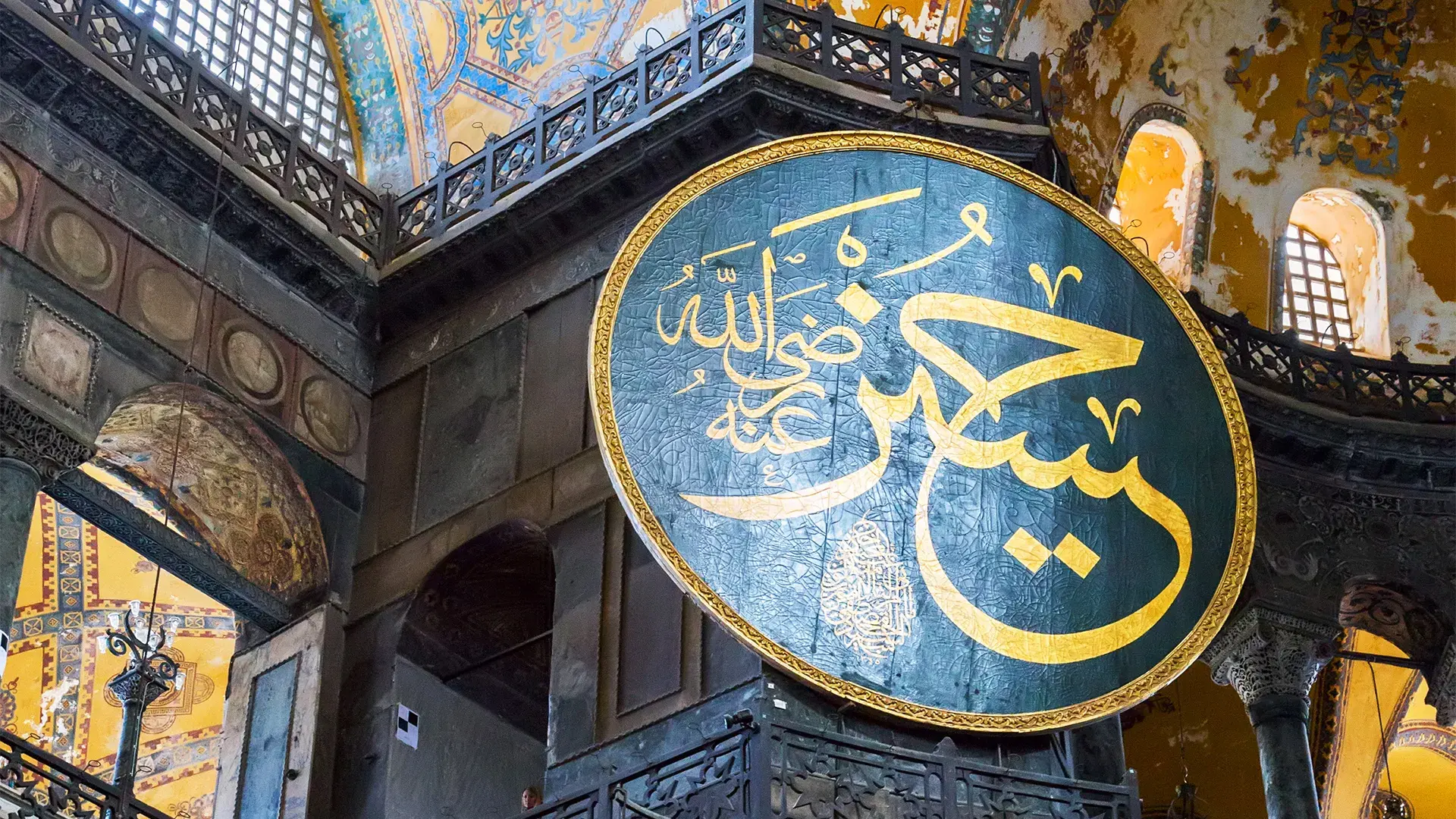
Discover the life of Al-Hussein ibn Ali, grandson of Prophet Muhammad ﷺ, his journey from Makkah to Iraq, and the events of his martyrdom in Karbala.

Aug 04
الحسن بن علي رضي الله عنه

Learn about the life of Al-Hasan ibn Ali, the beloved grandson of Prophet Muhammad (PBUH), his birth, virtues, authentic hadiths, and his lasting legacy in Islamic history.