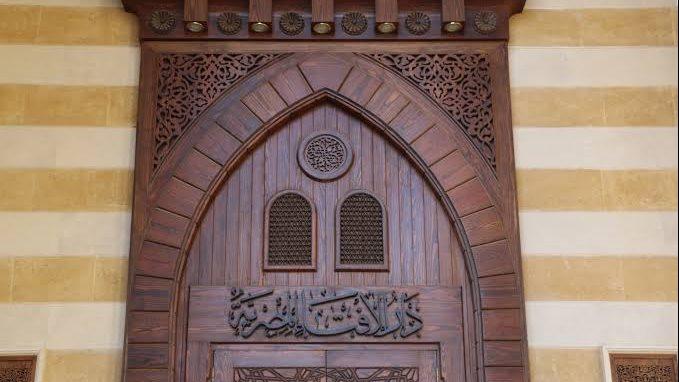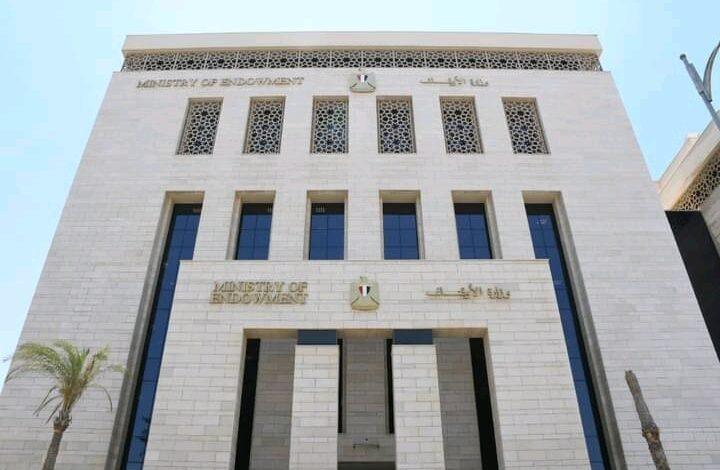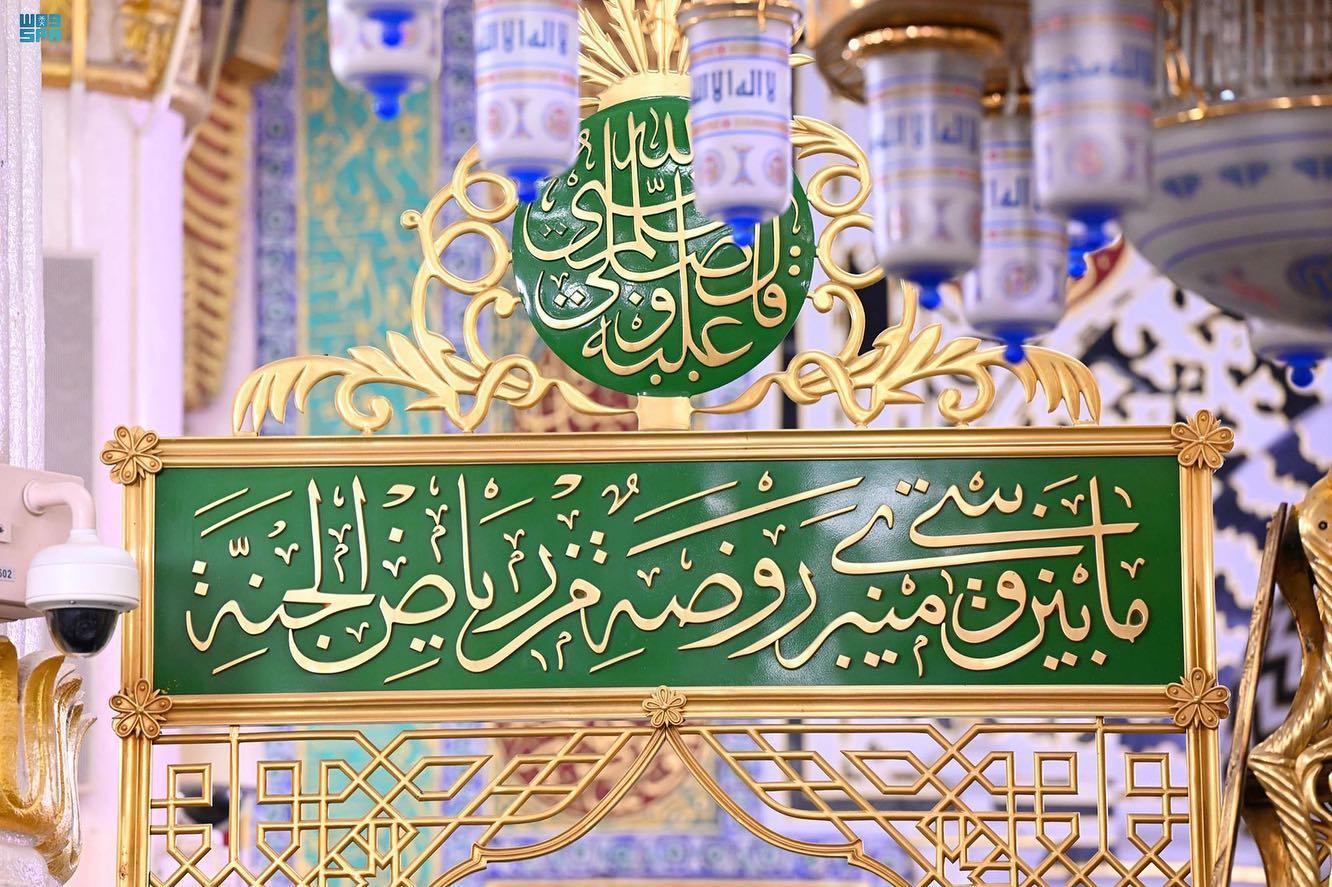

Egypt’s Dar Al-Ifta addressed a question concerning the ruling on praying in the Rawdah Sharif during times when prayer is traditionally considered disliked.
The institution explained that praying in the Rawdah during these times is permissible and carries no sin, even when the prayer has no specific reason.
Is It Permissible to Pray in the Rawdah During Disliked Times?
According to Egypt’s Dar Al-Ifta, prayer in the Rawdah is not considered disliked during these times. Rather, it is permissible, even when the prayer is not performed for a specific reason.
The ruling is based on an analogy between the Rawdah and the Sacred Mosque in Makkah, as both are blessed places associated with special virtue.
What Are the Disliked Times for Prayer?
The traditionally disliked times are periods during which prayer is restricted according to the relevant jurisprudential rulings. Scholars have discussed five commonly identified periods.
After Fajr Until Sunrise
This period begins after the Fajr prayer and continues until the sun rises.
During Sunrise
The restriction also applies during the beginning of sunrise until the sun has fully risen and moved sufficiently above the horizon.
When the Sun Is at Its Zenith
Another period occurs when the sun reaches its highest point in the sky, lasting until it begins to decline.
After Asr Until Sunset
This period begins after the Asr prayer and continues until sunset.
During Sunset
The final period begins as the sun starts setting and lasts until the sunset is complete.
Why Is Prayer Permitted in the Rawdah During These Times?
Dar Al-Ifta based its ruling on the analogy between the Rawdah and the Sacred Mosque.
Analogy With the Sacred Mosque
The institution noted that the Shafi‘i school recognized an exception concerning prayer in the Sacred Mosque during times when prayer is otherwise disliked.
Dar Al-Ifta applied this principle to the Rawdah, considering both places to possess special religious virtue.
The Virtue of Blessed Places
The Rawdah and the Sacred Mosque are associated with exceptional religious significance. This shared characteristic was among the considerations behind applying the ruling of the Sacred Mosque to the Rawdah.
What Evidence Supports Prayer in the Sacred Mosque?
Dar Al-Ifta cited a narration recorded by Abu Dawud from Jubayr ibn Mut‘im, in which the Prophet ﷺ said:
“Do not prevent anyone from circumambulating this House and praying at whatever time of night or day he wishes.”
Imam al-Shafi‘i used this narration as evidence for the permissibility of prayer in Makkah during times when prayer is restricted elsewhere.
Scholars within the Shafi‘i school further explained that the ruling is not limited to the prayer performed after Tawaf.
Does Prayer in the Rawdah Require a Specific Reason During These Times?
According to the ruling cited by Dar Al-Ifta, no specific reason is required for prayer in the Rawdah during these periods.
Thus, the permissibility applies even when the prayer does not fall into the category of prayers performed for a particular reason.
What Is the Conclusion of the Ruling?
The conclusion of Egypt’s Dar Al-Ifta is that praying in the Rawdah is permissible during the traditionally disliked prayer times, even when the prayer has no specific reason.
The ruling is based on an analogy with the Sacred Mosque and the special virtue associated with both blessed locations.
Is it permissible to pray in the Rawdah during disliked times?
Yes. According to Egypt’s Dar Al-Ifta, prayer in the Rawdah is permissible during these times.
Does the prayer need a specific reason?
No. The ruling cited by Dar Al-Ifta allows prayer even without a specific reason.
What are the commonly recognized disliked times?
They include the period after Fajr until sunrise, sunrise itself, solar zenith, after Asr until sunset, and sunset.
Why is the Rawdah compared with the Sacred Mosque?
Because both are blessed places associated with special virtue and significance.
Does praying in the Rawdah have special virtue?
The Rawdah is a blessed area within the Prophet’s Mosque, and prayer in the Prophet’s Mosque has great virtue.