
Some Islamic rulings concerning prayer raise questions among Muslims, including praying alone behind the congregational row and how to deal with missed obligatory prayers.
Scholars have different opinions on some of these issues, making it important to understand the major scholarly positions and the preferred view.
What Is the Ruling on Praying Alone Behind the Row?
Scholars have differed over the validity of praying alone behind the congregational row.
The majority of scholars from the Hanafi, Maliki, and Shafi‘i schools hold that the prayer is valid, whether the person was unable to enter the row or could have joined it.
However, the majority consider standing alone behind the row disliked when there is an available space within the row.
Does the Person Receive the Reward of Congregation?
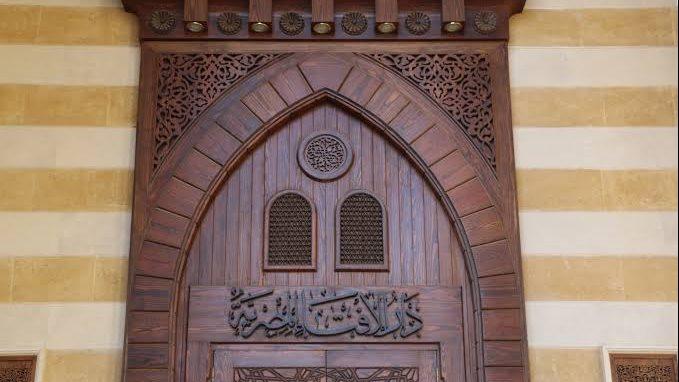
According to the ruling explained by the Dar Al-Ifta, the person who prays alone behind the row receives the reward of congregational prayer.
Nevertheless, joining the row remains preferable whenever possible.
Thus, according to the majority, standing alone behind the row does not invalidate the prayer, although joining the row represents the more complete and preferable form.
The Hanbali View
The Hanbali school holds that the prayer of a person who stands alone behind the row is invalid if he completes an entire rak‘ah in that position.
This view is based on narrations commanding the person who prayed alone behind the row to repeat the prayer.
The majority of scholars, however, interpret such texts as indicating a lack of completeness rather than invalidity.
What Is Preferable When Praying Behind an Imam?
The preferable practice is for the worshipper to join the row and fill any available gap rather than stand alone behind it.
If the person does pray alone behind the row, the prayer is considered valid according to the majority of scholars, and the person can receive the reward of congregation according to the ruling explained by Dar Al-Ifta.
Can Voluntary Prayers Replace Missed Obligatory Prayers?
Another important question concerns missed obligatory prayers and whether voluntary prayers can replace them.
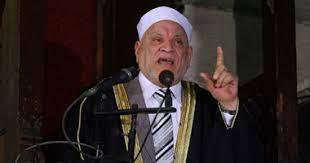
Dr. Mohamed Abdel Samee, a Fatwa Secretary, explained that the majority of scholars hold that a person who has missed prayers must make them up.
The missed prayer should be replaced by the same obligatory prayer: Dhuhr for missed Dhuhr, Asr for missed Asr, and so forth.
This position is based on the understanding that an obligatory prayer remains a debt that must be fulfilled.
How Should Missed Prayers Be Made Up?
A person who has missed prayers should work toward making them up according to their ability.
The prayers should be made up according to their original type: Dhuhr for Dhuhr, Asr for Asr, Maghrib for Maghrib, Isha for Isha, and Fajr for Fajr.
Can Voluntary Prayers Compensate for Missed Obligatory Prayers?
A small number of scholars have allowed voluntary prayers to compensate for deficiencies in obligatory prayers that were not made up.
They based their position on the hadith narrated by Abu Hurairah, may Allah be pleased with him, concerning the first deed for which a person will be held accountable on the Day of Judgment.
The narration mentions that if there is a deficiency in the obligatory prayer, voluntary prayer is considered to complete what is lacking.
The Majority View on Voluntary Prayers and Missed Obligations
The majority of scholars understand the deficiency mentioned in the hadith as referring to shortcomings in the quality and manner of performing the obligatory prayer, such as shortcomings in concentration, tranquillity, or similar aspects.
They do not understand it as referring to completely abandoning an obligatory prayer and failing to make it up.
Therefore, according to the majority, voluntary prayers do not replace missed obligatory prayers. The missed obligations should instead be made up.
Is There Scholarly Disagreement?
Yes. There are different scholarly opinions regarding whether voluntary prayers can compensate for missed obligatory prayers.
The existence of this disagreement means that the alternative scholarly position may be followed, but it remains less preferable than the position of the majority.
The stronger and more widely held position is that missed obligatory prayers must be made up rather than replaced by voluntary prayers.
Summary of the Rulings
The main rulings can be summarized as follows:
- Praying alone behind the row is valid according to the majority of scholars.
- The majority consider it disliked when there is an available space in the row.
- The Hanbali school considers the prayer invalid if a person completes an entire rak‘ah alone behind the row.
- Joining the row and filling an available gap is preferable.
- The majority hold that missed obligatory prayers must be made up.
- Voluntary prayers do not replace missed obligatory prayers according to the majority.
- Each missed prayer should be made up with the same type of obligatory prayer.
Is praying alone behind the row valid?
Yes. The Hanafi, Maliki, and Shafi‘i schools consider it valid, while regarding it as disliked when there is room in the row.
Does someone praying alone behind the row receive the reward of congregation?
Yes. According to the ruling explained by Dar Al-Ifta, the person receives the reward of congregational prayer, although joining the row is preferable.
Must missed prayers be made up?
Yes. The majority of scholars hold that missed obligatory prayers must be made up.
Can voluntary prayers replace missed obligatory prayers?
According to the majority, no. Missed obligatory prayers should be made up rather than replaced by voluntary prayers.
How should missed prayers be made up?
Each missed prayer should be made up as the same type of prayer: Dhuhr for Dhuhr, Asr for Asr, Maghrib for Maghrib, and so on.