
Prophet Muhammad ﷺ had a number of belongings and animals that were known by distinctive names. Historical and biographical accounts mention several of his horses, mules, donkey, camel, sheep, swords, shields, spears and bows.
These belongings provide an insight into aspects of daily life during the Prophetic era and preserve historical details connected with the life of Prophet Muhammad ﷺ.
The Names of Prophet Muhammad’s Horses
Prophet Muhammad ﷺ had several horses that were known by their names.
Among the most famous was Al-Sakb, described in historical accounts as the first horse he owned. The Prophet ﷺ rode it during the Battle of Uhud.
It was called Al-Sakb because of its speed and ability to run swiftly.
Other horses mentioned in historical accounts include:
- Milah.
- Al-Murtajiz.
- Al-Luhayf.
- Al-Dharib.
- Al-Ward.
- Al-Lizaz.
The names of these horses have been preserved in Islamic biographical literature as part of the historical record of the Prophet's life.
The Prophet’s Mules, Donkey and Camel
Prophet Muhammad ﷺ had two mules, known as Duldul and Fiddah.
He also had a donkey known as Ya‘fur.
Among the camels associated with the Prophet ﷺ was Al-Qaswa, one of the best-known animals mentioned in accounts of his life.
Historical accounts also mention seven milk-producing sheep, known as mana'ih. Their names were:
- Ajwah.
- Zamzam.
- Suqya.
- Barakah.
- Warsah.
- Atlal.
- Atraf.
The Famous Weapons of Prophet Muhammad ﷺ
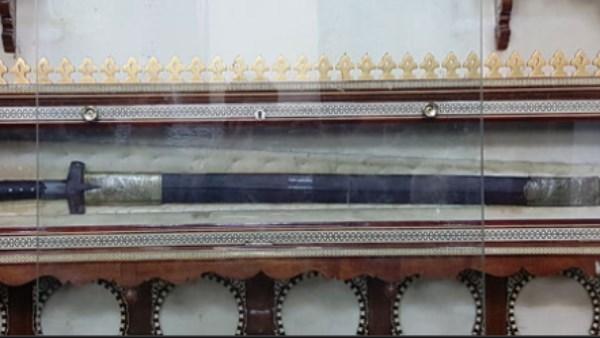
One of the most famous swords associated with Prophet Muhammad ﷺ was Dhu al-Fiqar.
Other swords mentioned in historical accounts include:
- Al-Qal‘i.
- Al-Battar.
- Al-Hatf.
- Al-Mikhdham.
- Rusub.
- Al-‘Adhb.
- Al-Qadb.
The Prophet ﷺ also had several spears and bows.
Among the bows mentioned in historical accounts are Al-Rawha, Al-Bayda and Al-Safra.
The Shields of Prophet Muhammad ﷺ
Historical accounts also mention several shields associated with the Prophet ﷺ, including:
- Al-Fiddah.
- Al-Fudul.
- Al-Sa‘diyyah.
- Dhat al-Wishah.
- Dhat al-Fudul.
These belongings provide historical insight into the material aspects of the Prophet's life, including his travels and military expeditions.
Visiting Medina After Hajj
For generations, many Muslims have combined their pilgrimage journey with a visit to Medina, traveling there after completing the Hajj rituals in Mecca.
Pilgrims traditionally visit the Prophet's Mosque, pray there, send greetings of peace to Prophet Muhammad ﷺ, and remember his life and teachings.
The tradition of visiting Medina continued throughout Islamic history and became an important part of the journey for many pilgrims, including Egyptian pilgrims.
The Importance of Visiting the Prophet’s Mosque
The Prophet's Mosque holds a special place in the hearts of Muslims, and visitors to Medina traditionally make an effort to pray there and offer greetings of peace to Prophet Muhammad ﷺ.
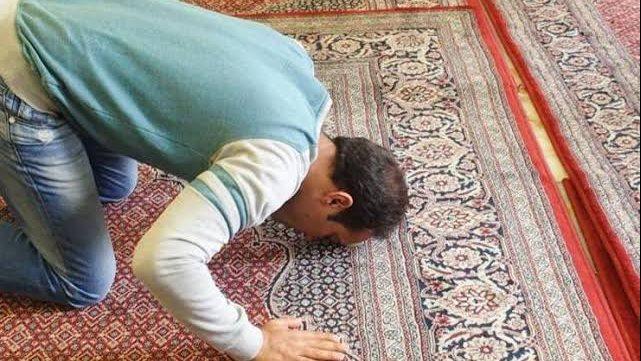
Visitors approach the mosque with respect and humility, perform prayers, and make supplications to Allah.
Etiquette When Visiting the Prophet’s Mosque
General etiquette when visiting the Prophet's Mosque includes:
Purity and respect: Visitors should maintain cleanliness and enter the mosque respectfully.
Sending blessings upon the Prophet ﷺ: Muslims send blessings and peace upon Prophet Muhammad ﷺ.
Respectful greetings: Visitors should maintain calmness and dignity when offering greetings.
Supplication: Muslims may supplicate to Allah for themselves, their families and Muslims generally.
Humility: Visitors are encouraged to maintain reverence and avoid raising their voices or disturbing worshippers.
Pilgrim Caravans Traveling to Medina
In earlier centuries, pilgrim caravans traveled from Mecca to Medina in organized groups.
Such journeys required preparations involving water, food and provisions, as well as precautions against the dangers of long-distance desert travel.
The Amir al-Hajj of Egypt, or leader of the Egyptian pilgrimage caravan, played an important role in organizing aspects of the journey for Egyptian pilgrims.
Caravans from different regions would meet along the routes, creating large gatherings of pilgrims traveling together while reciting takbir, tahlil and other forms of remembrance.
Pilgrims From Different Regions
The pilgrimage caravans were not limited to one country or region. Muslims traveled from different parts of the Islamic world and often met along the routes to Mecca and Medina.
These encounters reflected the diversity of the Muslim world, bringing people together through worship, travel and mutual assistance.
Pilgrims Staying in Medina
Pilgrims traditionally spent several days in Medina, with some historical journeys involving stays of approximately one or two weeks.
During their stay, pilgrims would pray at the Prophet's Mosque, offer greetings to the Prophet ﷺ, and visit historical locations such as Al-Baqi Cemetery and Mount Uhud.
Medina would become especially vibrant during pilgrimage seasons, with mosques filled with worshippers and streets crowded with visitors.
Pilgrims would also visit local residents, cooperate in charitable activities, and give charity to people in need.
Medina and the Legacy of the Prophet’s Life
Medina is deeply connected to the life of Prophet Muhammad ﷺ. It was the destination of the Hijrah and the center of the first Muslim community, and it is home to the Prophet's Mosque.
For many Muslims, visiting Medina is therefore an opportunity to remember the Prophet's life and teachings and to reflect upon the values he promoted, including mercy, generosity and noble character.
What was the name of Prophet Muhammad’s first horse?
Historical accounts mention Al-Sakb as the first horse owned by Prophet Muhammad ﷺ.
What was the name of the Prophet’s famous sword?
One of the most famous swords associated with Prophet Muhammad ﷺ is Dhu al-Fiqar.
What was the name of the Prophet’s camel?
One of the most famous camels associated with the Prophet ﷺ was Al-Qaswa.
Why do Muslims visit Medina after Hajj?
Muslims visit Medina to pray at the Prophet's Mosque, offer greetings of peace to Prophet Muhammad ﷺ, and visit important Islamic and historical sites.
What are the main places pilgrims visit in Medina?
Among the best-known sites are the Prophet's Mosque, Al-Baqi Cemetery and Mount Uhud, along with other locations connected to the Prophetic biography.