Prophet Noah and His Son During the Flood: A Powerful Quranic Scene
The dialogue between Prophet Noah and his son during the great flood reveals a deeply moving scene of parental compassion, faith, rejection, and the ultimate meaning of salvation.

“And it sailed with them through waves like mountains. And Noah called out to his son, who was apart from them, ‘O my son! Come aboard with us and do not be with the disbelievers.’ He replied, ‘I will take refuge on a mountain; it will protect me from the water.’ Noah said, ‘There is no protection today from Allah’s command, except for those upon whom He has mercy.’ And the waves came between them, so he was among the drowned.” [Hud: 42–43]
These verses present one of the most moving scenes in the story of Prophet Noah, peace be upon him.
The flood had become overwhelming, with waves described as mountains. Noah was aboard the Ark with the believers when he saw his son separated from them. Despite the terrifying circumstances, the father called to his son with tenderness: “O my son! Come aboard with us.”
But the son refused and believed that a mountain could protect him from the flood.
How Does the Quran Describe Noah’s Flood?
Waves Like Mountains
The Quran describes the Ark as sailing through waves like mountains, portraying the extraordinary scale and power of the flood.
Yet despite the terrifying waters surrounding it, the Ark continued under Allah’s command. The believers were protected while those who rejected faith were exposed to destruction.
The scene emphasizes that true salvation comes through Allah’s mercy, while physical strength and material protection cannot overcome His decree.
What Did Prophet Noah Say to His Son?
A Father’s Compassionate Call
When Noah saw his son away from the Ark, he called him with affection:
“O my son! Come aboard with us.”
The expression carries the tenderness of a father who desperately wants to save his child.
Noah then warned him:
“And do not be with the disbelievers.”
Even during this terrifying final moment, Noah continued to call his son toward safety rather than abandoning him.
Why Did Noah Say “With the Disbelievers”?
The Quranic wording is significant. Noah urged his son not to remain among those who had rejected faith and were facing destruction.
The father was offering one final opportunity to choose the path of salvation before it was too late.
What Was Noah’s Son’s Response?
Seeking Refuge in a Mountain
His son replied:
“I will take refuge on a mountain; it will protect me from the water.”
He believed that a high mountain could provide protection from the flood.
But this response revealed the limits of relying solely on visible material means while ignoring Allah’s command and power.
Noah’s Final Answer: No Protection From Allah’s Command
Salvation Through Allah’s Mercy
Noah responded:
“There is no protection today from Allah’s command, except for those upon whom He has mercy.”
The mountain could not provide salvation because the flood was part of Allah’s decree.
The Ark, however, was a means of salvation established by Allah, and those who believed were protected within it.
How Did the Dialogue Between Noah and His Son End?
The Waves Separated Them
The dialogue ended suddenly:
“And the waves came between them, so he was among the drowned.”
The son never reached the Ark. A wave came between father and son, bringing the tragic scene to its conclusion.
The passage captures the emotional intensity of the moment: a father calling his son, a son refusing, and the waves ending their final conversation.
What Are the Main Lessons From the Story?
Family Ties Alone Cannot Guarantee Salvation
The story demonstrates that family lineage alone does not guarantee salvation. Noah’s son was closely related to a prophet, yet this relationship could not save him when he rejected faith.
A Parent’s Mercy Toward His Child
Noah’s words demonstrate profound parental compassion. Even in the midst of the flood, he continued trying to save his son.
Material Means Cannot Overcome Allah’s Decree
Noah’s son believed that a mountain would protect him, but it could not. The story teaches that physical means remain subject to Allah’s will.
Opportunities Can Disappear Quickly
The son had an opportunity to respond to his father’s call, but the waves soon separated them. The scene highlights the danger of delaying a response to truth until the opportunity is gone.
The Scenes of the Flood in the Quran
The Quran presents the flood through a series of powerful scenes: the Ark sailing through waves like mountains, Noah calling his son, and the waves separating them.
Other Quranic passages describe the waters descending from the sky and bursting forth from the earth until Allah’s command brought the flood to an end.
Eventually, the waters subsided and the Ark settled upon Mount Judi, bringing this extraordinary chapter of Noah’s story to its conclusion.
The Story of Noah and His Son: A Timeless Lesson
The dialogue between Prophet Noah and his son remains one of the most emotionally powerful scenes in the Quran.
It brings together parental love, faith, rejection, salvation, and loss in only a few verses.
Noah fulfilled his duty of calling and advising his son, speaking to him with compassion until the final moment. Yet his son chose another path, and ultimately became one of those who drowned.
The words of Noah remain at the heart of the scene:
“There is no protection today from Allah’s command, except for those upon whom He has mercy.”
They express one of the central lessons of the story: true salvation lies in faith, obedience, and Allah’s mercy.
Who was the son of Prophet Noah who drowned?
He was Noah’s son mentioned in Surah Hud who refused to board the Ark and sought protection on a mountain.
What did Prophet Noah say to his son?
He said: “O my son! Come aboard with us and do not be with the disbelievers.”
Why did Noah’s son not survive the flood?
He rejected his father’s call to board the Ark and chose to rely on the mountain instead.
What is the main lesson from Noah and his son?
Family ties alone cannot guarantee salvation; faith, obedience, and Allah’s mercy are essential.

Evening Adhkar include Quranic verses, supplications, remembrance and prayers for forgiveness, protection, well-being and peace of heart

Learn the authentic supplications for leaving home, including the Prophet’s prayers for guidance, protection from wrongdoing, and safety from Satan
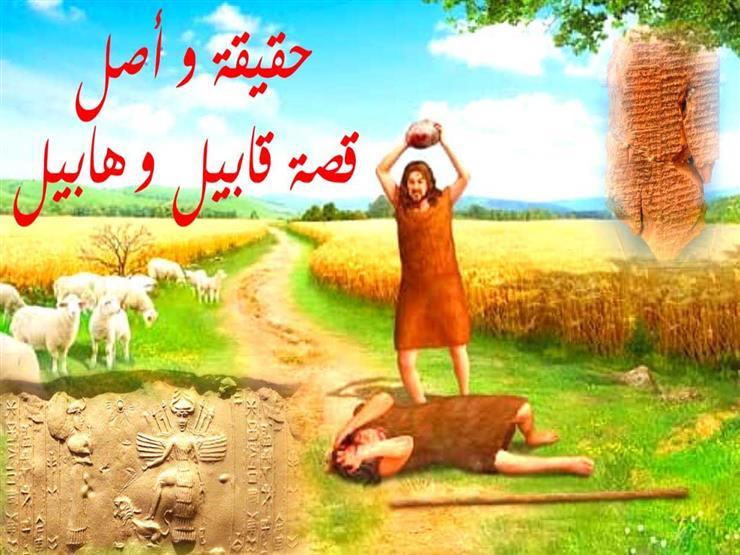
Learn the full story of Cain and Abel from the Quran, including the offering, jealousy, Abel’s murder, the crow, Cain’s fate, and key lessons
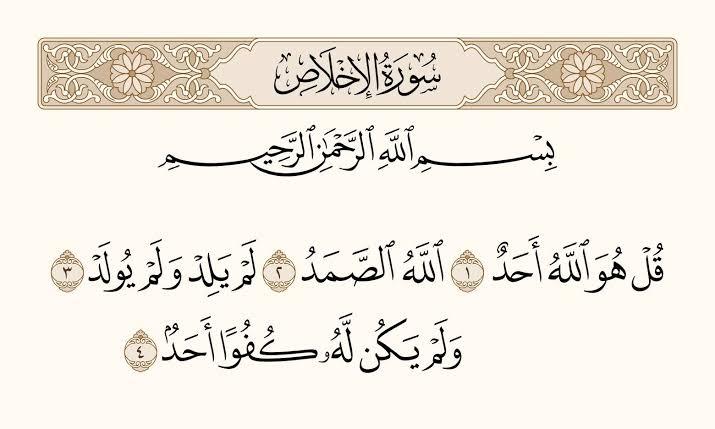
How many names does Surah Al-Ikhlas have? Learn about its most famous names, their meanings, why it was named Al-Ikhlas, and its great virtues
