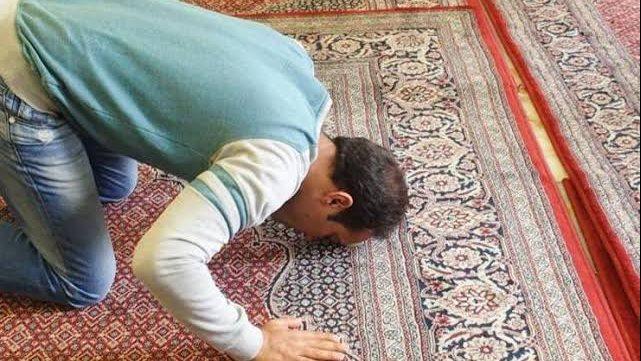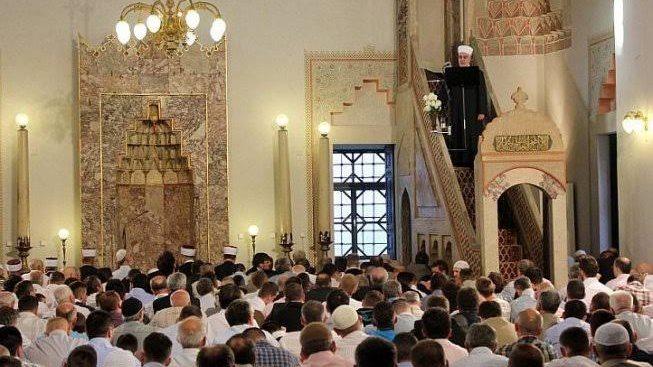

Egypt’s Ministry of Awqaf announced the subject of the Friday sermon scheduled for Friday, August 28, 2026, corresponding to 14 Rabi’ al-Awwal 1448 AH, under the title “The Prophet of Mercy ﷺ.”
The sermon is part of the “Zad al-A’immah wal-Khutaba” series and aims to introduce the noble qualities of Prophet Muhammad ﷺ, highlight the comprehensive manifestations of his mercy, and draw practical lessons from his character for contemporary life.
Mercy Was at the Heart of the Prophet’s ﷺ Message
Allah says:
﴿And We have not sent you, [O Muhammad], except as a mercy to the worlds.﴾
[Al-Anbiya: 107]
This verse highlights the central position of mercy in the Prophetic message. Mercy was not simply an occasional quality in the character of Prophet Muhammad ﷺ. Rather, it was deeply embedded in his teachings, conduct, worship, and relationships.
His mercy extended to believers and those who disagreed with him, relatives and strangers, children and adults, the vulnerable and those in need. It even extended to animals and other living creatures.
Mercy as a Way of Life
The Prophet’s ﷺ mercy was not limited to words or emotions. He transformed it into a practical way of life through his dealings with his family, companions, community, and opponents.
He taught mercy through his words, demonstrated it through his actions, and encouraged his companions to make compassion part of their everyday behavior.
The Prophet’s ﷺ Mercy Toward His Family and Relatives
The Prophet Muhammad ﷺ was known for his kindness and compassion toward his family and relatives. His conduct demonstrated a remarkable balance between affection and justice.
His personal relationships showed that compassion does not mean abandoning fairness. Instead, true mercy can coexist with justice, responsibility, and respect for the rights of others.
This balance remains an important lesson for families today, where kindness and fairness are both essential to healthy relationships.
The Prophet’s ﷺ Mercy Toward Children and the Vulnerable
Despite his elevated status and immense responsibilities, the Prophet ﷺ was remarkably close to children.
He carried them, kissed them, played with them, and treated them with affection. When Al-Aqra‘ ibn Habis expressed surprise that the Prophet ﷺ kissed Al-Hasan ibn Ali, the Prophet ﷺ said:
“Whoever does not show mercy will not be shown mercy.”
This statement became a timeless principle of Islamic character: showing affection toward children is not weakness; rather, it reflects noble character and a merciful heart.
Caring About Children’s Feelings
The Prophet ﷺ also took children’s needs into consideration during acts of worship.
Abu Qatadah reported that the Prophet ﷺ said that he would sometimes intend to lengthen the prayer, but when he heard a child crying, he would shorten it because he did not want to cause hardship for the child’s mother.
This illustrates the Prophet’s ﷺ sensitivity to people’s circumstances and emotions, even during worship.
Greeting Children
The Prophet ﷺ also demonstrated humility by greeting children.
Anas ibn Malik رضي الله عنه reported that the Prophet ﷺ would pass by children and greet them.
This simple practice taught children that they were valued and respected, while also teaching adults humility and gentleness.
The Prophet’s ﷺ Mercy Toward Women
The Prophet ﷺ emphasized kindness and good treatment toward women, saying:
“Treat women well.”
He also said:
“The best of you are those who are best to their families, and I am the best of you to my family.”
His relationship with his wives provided a practical example of kindness, patience, respect, and good companionship.
The Prophet ﷺ also emphasized the importance of honoring mothers and caring for daughters, making kindness toward women an important part of righteous character.
Honoring Mothers and Caring for Daughters
When asked who was most deserving of a person’s good companionship, the Prophet ﷺ mentioned the mother three times before mentioning the father.
He also encouraged Muslims to care for daughters and provide them with proper upbringing and protection, showing that family responsibility is closely connected to mercy and compassion.
The Prophet’s ﷺ Mercy Toward Animals
The mercy of Prophet Muhammad ﷺ extended beyond human beings to animals.
He strongly warned against mistreating animals and told the story of a woman who entered Hell because she confined a cat, neither feeding it nor allowing it to find food for itself.
In contrast, the Prophet ﷺ told of a man who gave water to a thirsty dog, and Allah forgave him because of that act of mercy.
The Prophet ﷺ said:
“There is a reward for every living creature.”
Prohibiting Cruelty to Animals
The Prophet ﷺ prohibited using living animals as targets and instructed Muslims to treat animals with kindness.
He also encouraged humane treatment when slaughtering animals and condemned unnecessary suffering.
One of the notable examples of his compassion was his response to a camel that showed signs of distress. The Prophet ﷺ approached it and showed compassion before addressing its owner about the animal’s treatment.
These teachings demonstrate that mercy in Islam extends to every living creature.
How Can We Apply the Prophet’s ﷺ Mercy Today?
Modern life has an increasing need for the values of compassion, patience, and kindness exemplified by the Prophet ﷺ.
These values can be reflected in family relationships, workplaces, communities, and interactions with people who hold different opinions.
Mercy Within the Family
Mercy begins with those closest to us.
It can appear through gentle speech, patience with mistakes, fairness between children, consideration for a spouse’s feelings, and the willingness to forgive minor shortcomings.
The Prophetic model teaches that strong families are built not only on responsibility but also on compassion.
Mercy in the Workplace
Mercy in the workplace means respecting employees and workers, protecting their rights, considering their circumstances, and avoiding unnecessary burdens.
Mercy does not mean abandoning accountability. Rather, it means combining justice with dignity and humane treatment.
Mercy Toward Those Who Disagree With Us
One of the important lessons from the Prophet’s ﷺ life is that disagreement does not have to lead to hostility.
He dealt with people of different beliefs and opinions with wisdom and justice, demonstrating that disagreement can be handled without injustice, insult, or cruelty.
Mercy as a Path to Goodness
Allah says:
﴿So by mercy from Allah, [O Muhammad], you were lenient with them. And if you had been rude and harsh in heart, they would have disbanded from about you.﴾
[Ali ‘Imran: 159]
The verse demonstrates the power of gentleness and compassion in bringing hearts together.
The Prophetic approach shows that guiding people toward goodness is more effective when accompanied by wisdom, patience, and noble character rather than harshness and alienation.
The Prophet ﷺ: A Lasting Example of Mercy
The life of Prophet Muhammad ﷺ presents a comprehensive model of mercy that combines compassion with justice and kindness with responsibility.
He showed mercy toward children and vulnerable people, encouraged kindness toward women, cared for his family, urged people to support orphans, and prohibited cruelty toward animals.
The message of the Prophet of Mercy ﷺ therefore remains a timeless source of noble values. It invites people to transform mercy from a word into a daily practice—within the family, at work, in society, and in every human interaction.
What is the title of the Friday sermon?
The title of the Friday sermon is “The Prophet of Mercy ﷺ.”
What is the purpose of the sermon?
It aims to highlight the noble qualities and comprehensive mercy of Prophet Muhammad ﷺ and encourage Muslims to apply these values in contemporary life.
How did the Prophet ﷺ treat children?
He showed children affection, carried and kissed them, greeted them, and considered their needs and feelings.
Did the Prophet’s ﷺ mercy include animals?
Yes. His teachings strongly encouraged kindness toward animals and prohibited cruelty and unnecessary suffering.
How can we apply Prophetic mercy today?
By practicing kindness, patience, fairness, and compassion in our families, workplaces, communities, and interactions with others.