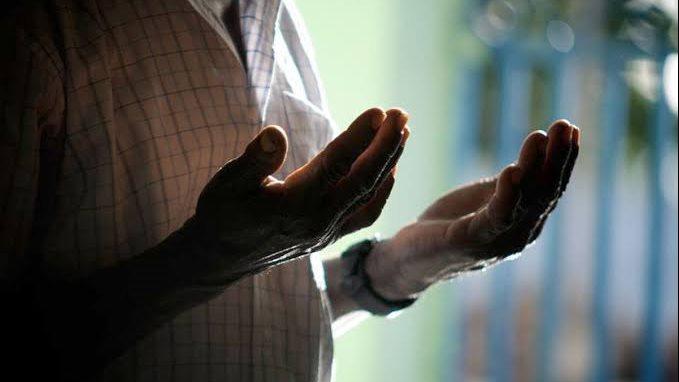
In his Friday sermon at the Prophet’s Mosque in Madinah, Sheikh Dr. Khalid Al-Muhanna urged Muslims to fear Allah and remain mindful of Him in all their actions, describing taqwa (piety) as the source of all virtues and the strongest fortress of salvation.
He warned that one of the greatest barriers between a servant and his Lord is persistence in sin, stressing that Allah’s promise of forgiveness and Paradise is linked to those who repent and do not insist on wrongdoing, as stated in the Qur’an:
“And hasten to forgiveness from your Lord… and who do not persist in what they have done while they know.”
The imam explained that a sound heart cannot coexist with continual sin, and that the believer who truly seeks closeness to Allah is the one who feels remorse for his sins and strives to purify his soul.
Citing the Qur’an and Sunnah, Al-Muhanna noted that both are filled with messages of hope and mercy for sinners, quoting Allah’s words:
“Say, ‘O My servants who have transgressed against themselves, do not despair of the mercy of Allah. Indeed, Allah forgives all sins.’”
He added that this verse represents a divine call of compassion to those who have strayed, assuring them that the door of mercy remains open for all who return sincerely to their Creator.
The imam highlighted that Allah, in His mercy, has paved many paths toward repentance, encouraging believers to persist in seeking forgiveness no matter how often they fall, recalling the Prophet Muhammad’s ﷺ saying:
“O people, repent to Allah, for I repent to Him a hundred times a day.”
He affirmed that repentance and forgiveness are among the greatest acts of devotion, and that a believer must keep his heart busy with good deeds — for if not occupied with truth, it will be consumed by falsehood.
Sheikh Al-Muhanna concluded by advising Muslims to keep the company of the righteous and steadfast in worship, as companionship with the pious strengthens faith and inspires perseverance, citing the verse:
“And be patient with those who call upon their Lord in the morning and the evening, seeking His countenance.”