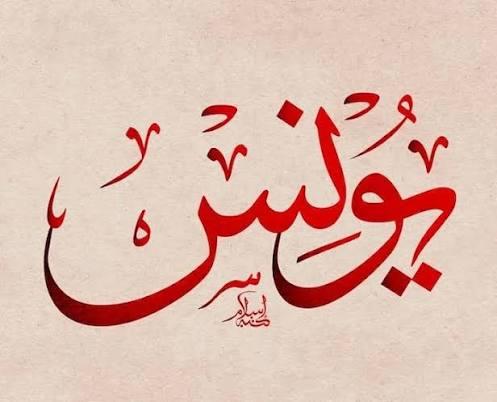

Prophet Yunus, peace be upon him, is one of the prophets mentioned in the Quran. He is known as Dhun-Nun and the Companion of the Whale, and his story is closely associated with repentance, patience, supplication, and returning to Allah.
Who Was Prophet Yunus?
Prophet Yunus was Yunus ibn Matta, as established in authentic prophetic tradition. The Prophet Muhammad, peace and blessings be upon him, said:
“No servant should say that I am better than Yunus ibn Matta.”
Some historical and biographical works state that Matta was his mother, while the authentic hadith identifies him as Yunus ibn Matta without providing further details about the lineage.
The Lineage of Prophet Yunus
The established name of the prophet is:
Yunus ibn Matta, peace be upon him.
Some historical sources attributed him to the descendants of Benjamin, son of Prophet Jacob, while other accounts connected him to the tribe of Levi.
Therefore, the firmly established information is that he was Yunus ibn Matta, a prophet and messenger of Allah, while the details beyond this name are subject to differing historical reports.
Where Did Prophet Yunus Live?
Historical accounts mention that Prophet Yunus lived in the region of the Levant and that Allah sent him to the people of Nineveh.
Nineveh was a major ancient city in what is now Iraq. Its people had become deeply involved in wrongdoing, so Allah sent Yunus to call them to monotheism, obedience, and repentance.
Prophet Yunus and the People of Nineveh
Yunus called his people to worship Allah alone and abandon their wrongdoing.
They initially rejected his message, and he became deeply distressed by their continued refusal.
According to the Quranic account, Yunus left his people before receiving permission to do so, leading to the trial that followed.
Prophet Yunus Inside the Whale
Yunus eventually boarded a ship. When the ship encountered severe difficulties, lots were drawn, and Yunus was the one selected. He was cast into the sea, where a whale swallowed him by Allah’s command.
This was a tremendous trial, but it was not the end of his story. Instead, it became a powerful example of repentance and turning to Allah.
In the darkness, Yunus called upon Allah:
“There is no deity except You; glory be to You. Indeed, I was among the wrongdoers.”
This supplication expresses belief in Allah’s oneness, glorification of Him, and acknowledgment of one’s own shortcomings.
How Was Prophet Yunus Saved?
Allah accepted Yunus’s supplication and delivered him from distress. The Quran states:
﴿So We responded to him and saved him from the distress. And thus do We save the believers.﴾
Allah then caused him to be cast onto the shore while he was ill and weak.
The Quran says:
﴿Then We cast him onto the open land while he was ill. And We caused a gourd plant to grow over him.﴾
Allah provided him with protection and care during his period of weakness.
The Return of Prophet Yunus to His People
After his recovery, Yunus returned to his people, who had believed in Allah and repented.
The Quran says:
﴿And We sent him to a hundred thousand or more. So they believed, and We granted them enjoyment for a time.﴾
The response of the people of Nineveh is one of the distinctive aspects of Yunus’s story, as they turned back to Allah and believed.
Lessons from the Story of Prophet Yunus
The story of Yunus teaches the importance of turning to Allah during hardship, acknowledging one's shortcomings, and never losing hope in Allah’s mercy.
It also demonstrates that relief can come after the most difficult moments and that sincere supplication accompanied by repentance and reliance upon Allah is a means of salvation.
Among the most famous words associated with Yunus are:
“There is no deity except You; glory be to You. Indeed, I was among the wrongdoers.”
What is the lineage of Prophet Yunus?
The firmly established lineage is Yunus ibn Matta. Further details about his ancestry differ among historical and biographical accounts.
Was Matta the mother or father of Prophet Yunus?
Some historical works identify Matta as his mother, while authentic prophetic tradition refers to him as Yunus ibn Matta without establishing the further relationship.
Why was Yunus called Dhun-Nun?
Dhun-Nun means the companion or possessor of the whale, referring to the whale that swallowed him by Allah’s command.
What was Prophet Yunus’s supplication?
He said: “There is no deity except You; glory be to You. Indeed, I was among the wrongdoers.”
What happened to the people of Yunus?
They believed in Allah and turned away from their wrongdoing, so Allah granted them enjoyment for a time.