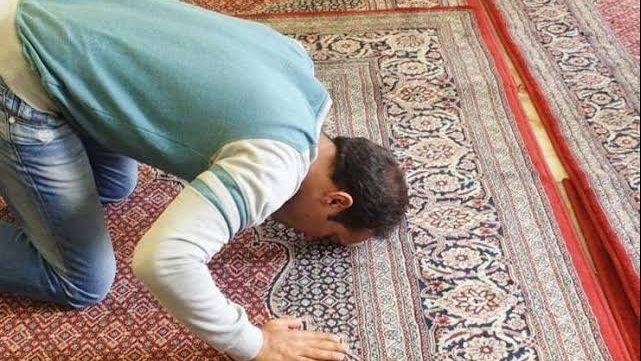

What are the best duas for provision and debt relief? The Sunnah contains comprehensive supplications for hardship, debt, anxiety and financial difficulty. These prayers encourage Muslims to turn to Allah while continuing to take lawful practical steps.
Islam does not separate supplication from effort. A believer relies upon Allah while working, seeking lawful income and fulfilling financial obligations.
A Prophetic Dua Against Overwhelming Debt
Among the established supplications of the Prophet Muhammad, peace and blessings be upon him, is:
“O Allah, I seek refuge in You from anxiety and sorrow, weakness and laziness, cowardice and miserliness, the burden of debt and being overcome by others.”
This comprehensive dua asks Allah for protection from several forms of hardship, including the pressure of debt and the distress that may accompany financial obligations.
A Dua for Lawful Sufficiency
A widely circulated supplication says:
“O Allah, suffice me with what You have made lawful instead of what You have made unlawful, and enrich me by Your فضل from all besides You.”
Its meaning is sound: the believer asks Allah for lawful sufficiency and protection from unlawful sources of income.
However, this wording should not be presented with certainty as an authentically established Prophetic hadith. It may be used as a general supplication because of its sound meaning.
A Comprehensive Dua for Debt and Poverty
Among the reported supplications is:
“O Allah, Lord of the heavens, Lord of the earth and Lord of the Mighty Throne, our Lord and Lord of all things... settle our debt for us and free us from poverty.”
The supplication combines praise of Allah, seeking His protection from evil, and asking Him to remove debt and poverty.
It reflects the believer’s need to seek Allah’s help in both spiritual and worldly difficulties.
Duas for Abundant Provision
A Muslim may ask Allah for lawful, pure and abundant provision. For example:
“O Allah, I ask You for abundant and good provision from Your provision.”
A believer may also make personal supplications for financial ease, employment, business success and blessing, provided the request is lawful.
One commonly circulated wording begins:
“O Allah, if my provision is in the heavens, send it down; if it is on earth, bring it forth...”
This wording is popular in supplication literature, but it should not be attributed to the Prophet Muhammad, peace and blessings be upon him, as an established Sunnah.
Likewise, the wording “O Allah, make my provision easy for me and protect me from excessive concern and hardship in seeking it” is a commonly circulated dua, not something that should be confidently described as a Prophetic supplication without authentic evidence.
Quranic Causes of Increased Provision
Islamic guidance connects provision and blessing with several acts and qualities, including repentance, God-consciousness and gratitude.
Seeking Forgiveness
The Quran connects seeking forgiveness with divine blessings. Prophet Noah told his people:
“Seek forgiveness from your Lord; indeed, He is ever Forgiving. He will send rain upon you in abundance, give you increase in wealth and children...”
Seeking forgiveness should therefore be accompanied by sincere repentance and turning back to Allah.
God-Consciousness and Lawful Effort
Allah says:
“Whoever is mindful of Allah, He will make a way out for them and provide for them from sources they could never imagine.”
Taqwa includes avoiding unlawful earnings, fulfilling financial obligations and obeying Allah, while also pursuing lawful work and available opportunities.
Gratitude for Blessings
Gratitude is another important cause of blessing. Allah says:
“If you are grateful, I will certainly give you more.”
Gratitude includes recognizing Allah’s blessings, praising Him for them and using those blessings in ways that please Him.
Is Supplication Alone Enough to Pay Off Debt?
Supplication is a powerful act of worship, but it does not mean abandoning practical action.
Someone in debt should ask Allah for relief while making every reasonable effort to repay what is owed, managing expenses responsibly and seeking lawful income.
True reliance upon Allah combines trust in Him with taking legitimate means.
Conclusion
The Sunnah contains powerful supplications for hardship and debt, including the dua asking Allah for protection from “the burden of debt and being overcome by others”, as well as the reported supplication asking Allah to settle debts and remove poverty.
Some popular formulas for provision, including the wording about provision being in the heavens or on earth, are not established Prophetic hadiths. They may be used as general supplications, but should not be attributed to the Prophet without evidence.
A balanced approach combines dua with repentance, God-consciousness, gratitude and lawful effort.
What is a Prophetic dua for debt relief?
One established supplication asks Allah for protection from the burden of debt and being overcome by others.
What should I say when struggling financially?
You can use established Prophetic supplications and also ask Allah in your own words for lawful provision, ease and the ability to repay debts.
Is “Allahumma ikfini bihalalika...” an authentic hadith?
Its meaning is sound, but it should not be confidently presented as an authentically established Prophetic hadith.
Is the “if my provision is in the heavens” dua Prophetic?
It is widely circulated, but it is not established as an authentic Prophetic supplication.
What are the main causes of increased provision?
Repentance, seeking forgiveness, God-consciousness, gratitude and lawful effort are among the important means of seeking blessing and provision.