
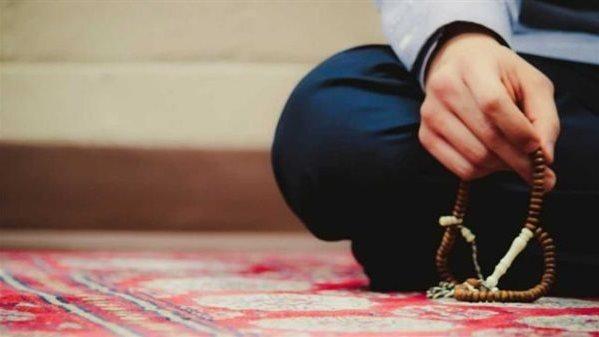

Egypt’s Dar Al-Ifta has stated that commemorating the Prophet Muhammad’s Birthday is considered an expression of love and respect for the Prophet, peace and blessings be upon him. It also emphasized that love for the Messenger of Allah is not merely an emotion, but an essential part of faith.
The institution cited the prophetic saying:
“None of you truly believes until I am more beloved to him than his father, his child, and all people.”
Why Do Muslims Celebrate the Prophet’s Birthday?
Dar Al-Ifta explained that commemorating the Prophet’s Birthday can express happiness at the birth of the best of creation and gratitude to Allah for this great blessing.
It cited the Quranic verse:
“Say: In the bounty of Allah and in His mercy—in that let them rejoice.” [Quran 10:58]
The institution also referred to the interpretation attributed to Abdullah ibn Abbas, may Allah be pleased with him, that Allah’s bounty refers to knowledge and His mercy refers to Muhammad, peace and blessings be upon him.
According to this perspective, expressing happiness on the Prophet’s Birthday is connected with love for the Prophet and gratitude to Allah for sending him.
What Are the Recommended Deeds on the Prophet’s Birthday?
Dar Al-Ifta mentioned several acts that Muslims may perform during the Mawlid, including reciting the Quran, remembering Allah, sending blessings upon the Prophet, feeding people, giving charity, exchanging gifts, maintaining family ties, and studying the Prophet’s biography.
Reciting the Quran and Remembering Allah
Muslims can use the occasion as an opportunity to increase their worship by reciting the Quran and remembering Allah.
Sending Blessings Upon the Prophet
Increasing prayers and blessings upon Prophet Muhammad, peace and blessings be upon him, is among the ways Muslims express their love and respect for him.
Feeding People and Giving Charity
Feeding others and giving charity to those in need can reflect the values of compassion, generosity, and bringing happiness to others.
Exchanging Gifts and Maintaining Family Ties
Exchanging gifts, spending generously on family members, and maintaining family relationships are also among the practices mentioned in connection with the celebration.
Studying the Prophet’s Biography
Reading the Prophet’s biography, or Seerah, provides an opportunity to learn about his character, teachings, conduct, and interactions with others.
Teaching Children About the Prophet’s Life
Dar Al-Ifta also highlighted the importance of teaching children about the life of Prophet Muhammad, peace and blessings be upon him.
Parents can use the occasion to introduce children to his character, his treatment of his family, and his dealings with his companions and other people.
This can help transform knowledge of the Prophet’s biography into practical values that children can apply in their daily lives.
What Is the Ruling on Prophetic Praise During Mawlid?
Egypt’s Dar Al-Ifta stated that Prophetic praise and devotional poetry are permissible during the Mawlid, considering them among the expressions of love, respect, and reverence for the Messenger of Allah.
The institution cited the Quranic verse:
“So that you may believe in Allah and His Messenger, honor him, revere him, and glorify Him morning and evening.” [Quran 48:8-9]
According to this view, Prophetic praise can be part of expressing love and reverence, provided that it remains within Islamic principles and does not contain statements contrary to Islamic creed or proper religious conduct.
Is Fasting on the Prophet’s Birthday Permissible?
Dar Al-Ifta confirmed that fasting on the Prophet’s Birthday is permissible, and a Muslim may fast the day as an expression of gratitude to Allah for the blessing of the Prophet’s birth and mission.
The institution explained that fasting on this occasion can fall within the general category of fasting as an act of gratitude for Allah’s blessings.
What Is the Evidence for Fasting on the Prophet’s Birthday?
Dar Al-Ifta referred to the Prophet’s fasting on Ashura as an example of fasting in gratitude for a divine blessing.
When Prophet Muhammad, peace and blessings be upon him, arrived in Medina, he found the Jews fasting on Ashura. When he asked them about the reason, they explained that it was the day on which Allah saved Moses and the Children of Israel from Pharaoh.
Moses fasted that day in gratitude to Allah. The Prophet Muhammad then said:
“I have more right to Moses than you do, and I am more entitled to fast this day.”
This narration has been cited as evidence for the general principle of fasting in gratitude for Allah’s blessings.
How Can the Mawlid Be an Opportunity to Follow the Prophet?
The Prophet’s Birthday should not be viewed only as an occasion for outward celebration. It can also provide an opportunity to reflect on the Prophet’s life, character, and teachings and to transform the values found in his Seerah into practical behavior.
Prophet Muhammad, peace and blessings be upon him, is presented in the Quran as an exemplary model for Muslims.
Allah says:
“Indeed, in the Messenger of Allah you have an excellent example.” [Quran 33:21]
Therefore, one of the greatest expressions of love for the Prophet is striving to follow his character, teachings, and Sunnah in worship, relationships, and everyday life.
What is the ruling on celebrating the Prophet’s Birthday?
Egypt’s Dar Al-Ifta considers celebrating the Prophet’s Birthday an expression of love and respect for the Prophet, provided it is observed through permissible practices and acts of worship.
What are the best deeds on the Prophet’s Birthday?
Recommended practices mentioned include Quran recitation, remembering Allah, sending blessings upon the Prophet, charity, feeding people, maintaining family ties, and studying the Seerah.
Is it permissible to fast on the Prophet’s Birthday?
Yes. Dar Al-Ifta stated that fasting on the Prophet’s Birthday is permissible as an expression of gratitude to Allah.
Is Prophetic praise permissible during Mawlid?
Dar Al-Ifta considers Prophetic praise permissible as an expression of love and reverence, provided it complies with Islamic principles.
How can Muslims benefit from the Mawlid?
Muslims can use the occasion to study the Prophet’s life, teach children about his character, increase prayers upon him, give charity, maintain family ties, and follow his example.




