Was the Quran Compiled Under the Prophet or Uthman? Full Story
Was the Quran compiled during the lifetime of Prophet Muhammad ﷺ or under Caliph Uthman? Learn the three stages of Quran preservation, collection, and standardization.
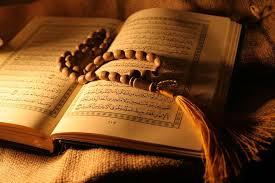

There are reports indicating that the Quran was written down and preserved during the lifetime of Prophet Muhammad, peace and blessings be upon him, while other authentic reports describe the collection of the Quran during the caliphate of Abu Bakr and the later standardization of copies under Uthman ibn Affan.
This raises an important question: Was the Quran compiled during the Prophet’s lifetime, or was it collected during the caliphate of Uthman?
The answer requires distinguishing between writing and memorizing the Quran, collecting it into one complete manuscript, and standardizing official copies for the Muslim community.
Was the Quran Compiled During the Prophet’s Lifetime?
The established historical account is that the Quran was not collected into a single bound manuscript during the lifetime of Prophet Muhammad ﷺ, although it was extensively memorized and written down during his life.
The Companions memorized the revelations, while scribes wrote the verses as they were revealed on the writing materials available at the time, including sheets, leather, shoulder blades, palm stalks, and other materials.
Why Was the Quran Not Collected Into One Manuscript During the Prophet’s Lifetime?
There was no immediate need to collect the Quran into one complete manuscript while the Prophet ﷺ was alive because revelation was still continuing.
Verses and chapters were being revealed over time according to circumstances and events, while the Companions directly received the Quran from the Prophet ﷺ, memorized it, and recorded it.
When Was the Quran First Collected Into One Manuscript?
The first collection of the Quran into a unified set of written sheets took place during the caliphate of Abu Bakr al-Siddiq, may Allah be pleased with him, following the Battle of Yamamah.
A large number of Quran reciters were killed in the battle, and this led Umar ibn al-Khattab, may Allah be pleased with him, to fear that further losses among those who had memorized the Quran could result in the loss of parts of its written transmission.
Who Suggested Collecting the Quran After the Battle of Yamamah?
Umar ibn al-Khattab, may Allah be pleased with him, suggested to Abu Bakr that the Quran should be collected into one manuscript.
Abu Bakr initially hesitated because the Prophet ﷺ had not previously ordered such a collection into a single manuscript. However, he eventually recognized the benefit of the proposal and approved it.
Who Collected the Quran During Abu Bakr’s Caliphate?
Abu Bakr assigned Zayd ibn Thabit, may Allah be pleased with him, to undertake the task of collecting the Quran.
Zayd had served among the scribes of revelation and was one of the Companions known for his knowledge and memorization of the Quran.
How Did Zayd ibn Thabit Collect the Quran?
Zayd carefully gathered the Quran from the written materials on which it had been recorded and from the memorization of the Companions.
The authentic narration describes him collecting it from parchments, shoulder blades, palm stalks, and the memories of men, resulting in a unified collection of written sheets.
Where Were the Quranic Sheets Kept After Abu Bakr’s Collection?
The collected sheets remained with Abu Bakr until his death.
They then passed to Umar ibn al-Khattab, and after Umar’s death they were kept by his daughter Hafsa, may Allah be pleased with her.
These collected sheets later played an important role in the standardization of Quranic manuscripts under Uthman ibn Affan.
Why Did Uthman Standardize the Quranic Manuscripts?
During the caliphate of Uthman ibn Affan, the Islamic state had expanded significantly and Muslims from different regions began encountering differences in recitation.
As different communities learned the Quran through different authorized modes and dialectal forms, concerns arose that disagreements could develop into disputes over the Book of Allah.
Who Alerted Uthman to the Problem of Differences in Recitation?
Hudhayfah ibn al-Yaman, may Allah be pleased with him, warned Uthman about the seriousness of the disagreements he had witnessed among Muslim armies and communities.
He urged Uthman to take action before the Muslims fell into serious disputes concerning the Quran.
What Did Uthman ibn Affan Do With the Quranic Manuscripts?
Uthman consulted the Companions and formed a committee to prepare standardized copies of the Quran.
The committee used the collected sheets that had been preserved by Hafsa, producing official copies and sending them to various provinces of the Muslim state.
A copy was also retained in Medina.
This process is commonly known as the Uthmanic standardization of the Quran.
What Is the Difference Between the Collection of Abu Bakr and the Standardization of Uthman?
The two efforts had different purposes.
The Collection Under Abu Bakr
The purpose was to bring the already written and memorized Quran together into one collected manuscript, particularly after the deaths of many Quran reciters at Yamamah.
The Standardization Under Uthman
The purpose was to produce standardized copies and prevent disputes over Quranic recitation and written forms as Islam spread across different regions.
Therefore, Abu Bakr’s effort was primarily a collection, while Uthman’s effort was primarily a standardization and dissemination.
Did Uthman Collect the Quran From the Beginning?
No. Uthman did not start collecting the Quran from scratch.
He relied upon the collection preserved from the time of Abu Bakr, which had later been kept by Hafsa.
The standardized copies were produced from that established collection and distributed to the Muslim provinces.
For this reason, saying that Uthman was the first person to “collect the Quran” without qualification overlooks the earlier collection under Abu Bakr.
What Did Ali ibn Abi Talib Say About Uthman’s Standardization?
Ali ibn Abi Talib, may Allah be pleased with him, is reported to have supported Uthman’s decision concerning the manuscripts and stated that had he been in Uthman’s position, he would have done the same regarding the Quranic copies.
This reflects the importance of Uthman’s effort in preserving unity and preventing disputes among Muslims concerning the Book of Allah.
Why Is the Quran Sometimes Said to Have Been Collected Under Uthman?
The association of Quranic compilation with Uthman often refers to the great importance of his standardization project.
The Uthmanic copies became the official manuscripts from which copies were distributed throughout the Muslim world, establishing a unified written form for the community.
Historically, however, the preservation of the Quran passed through several distinct stages.
Stage One: During the Prophet’s Lifetime
The Quran was memorized and written down by the Companions while revelation was still continuing.
Stage Two: During Abu Bakr’s Caliphate
The Quran was collected into one unified set of written sheets following the Battle of Yamamah.
Stage Three: During Uthman’s Caliphate
Official copies were standardized and distributed to the provinces to prevent disputes over recitation and written forms.
Was There a Contradiction Between These Stages?
No. The stages describe different aspects of Quranic preservation.
The Quran was written and memorized during the Prophet’s lifetime, collected into a unified manuscript during Abu Bakr’s caliphate, and then standardized and distributed under Uthman.
These historical stages complement one another rather than contradict one another.
Conclusion: When Was the Quran Compiled?
The Quran was written down and memorized during the lifetime of Prophet Muhammad ﷺ, but it was not collected into one complete manuscript during his lifetime.
It was then collected into a unified manuscript during the caliphate of Abu Bakr, following the Battle of Yamamah, through the work of Zayd ibn Thabit.
Later, Uthman ibn Affan standardized the manuscripts and sent official copies to the major provinces of the Muslim state to prevent disputes over recitation.
Therefore, the most accurate historical description is that the Quran passed through three major stages: writing and memorization during the Prophet’s lifetime, collection under Abu Bakr, and standardization under Uthman.
Was the Quran collected during the Prophet’s lifetime?
The Quran was written and memorized during the Prophet’s lifetime, but it was not collected into one complete manuscript at that time.
Who first collected the Quran into one manuscript?
Abu Bakr al-Siddiq, may Allah be pleased with him, initiated the collection after the Battle of Yamamah.
Who was responsible for collecting the Quran under Abu Bakr?
Abu Bakr appointed Zayd ibn Thabit, may Allah be pleased with him, to collect the Quran.
Why did Uthman standardize the Quranic manuscripts?
Uthman standardized the manuscripts to prevent disagreements among Muslims over recitation and written forms as Islam spread across different regions.
What is the difference between Abu Bakr’s collection and Uthman’s standardization?
Abu Bakr’s effort brought the Quran together into one collected manuscript, while Uthman’s effort standardized copies and distributed them throughout the Muslim provinces.

Learn the dua for protection when leaving the house, the supplications for relying on Allah, seeking protection from harm, and the authentic remembrance recited before going out.

Egypt’s Grand Mufti Dr. Nazir Ayyad explains that having children in Islam is not about numbers alone, but about preserving lineage, raising children properly, and building society.

Egypt’s Dar Al-Ifta explains the Islamic ruling on horse, mule, donkey, and camel races, including the conditions that make competitions permissible and the prohibition of gambling.

Egypt’s Dar Al-Ifta explains whether a man may give Zakat to his divorced wife for necessary medical treatment, distinguishing between revocable and irrevocable divorce.
