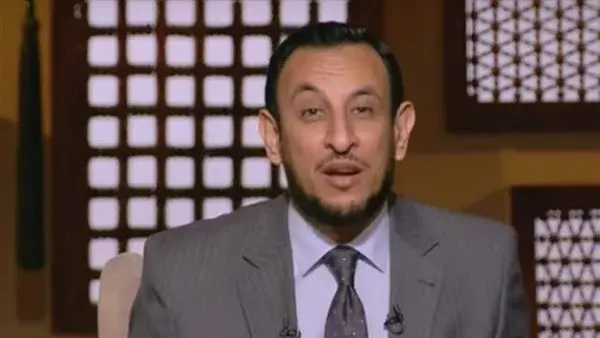

Sheikh Ramadan Abdelmoez called on people to pay greater attention to their health and physical well-being, emphasizing that Islam encourages moderation in eating and drinking and warns against excess.
He pointed to the Quranic guidance: “Eat and drink, but do not be excessive,” explaining that moderation is an important principle when it comes to food and maintaining well-being.
How Can We Protect Our Health According to Islamic Guidance?
Ramadan Abdelmoez stressed that his comments about health should not be considered medical advice, emphasizing his respect for doctors and medical specialists.
He explained that food choices and eating habits are closely connected to a person’s well-being and warned against excessive eating.
He also referred to the Prophetic guidance encouraging people not to continue eating until they are completely full, citing the hadith: “A few morsels are enough to keep a person going.”
The broader message, he explained, is to avoid unnecessary excess and give the body only what it needs.
What Did the Prophet Say About Moderation in Eating?
Abdelmoez cited the well-known hadith: “No human fills a vessel worse than his stomach.” The hadith continues with guidance to leave portions for food, drink and breathing.
He explained that this Prophetic teaching demonstrates the importance of moderation and avoiding excessive consumption.
According to Abdelmoez, caring for physical health is important because a person’s well-being is a valuable blessing that should not be neglected.
Ramadan Abdelmoez Warns Against Neglecting Health
Abdelmoez warned against unhealthy eating habits, whether through poor food choices or excessive consumption.
He also mentioned the traditional saying “Eat dinner and take a walk,” explaining that its intended meaning is to avoid eating dinner and immediately going to sleep.
The idea reflects the broader principle of maintaining reasonable movement and avoiding an overly sedentary routine after eating, while recognizing that medical recommendations vary depending on each person’s circumstances.
Food Timing and Prophetic Guidance During Fasting
Ramadan Abdelmoez also discussed reports from the Prophetic biography concerning eating habits and daily routines.
He referred in particular to guidance related to fasting, including breaking the fast promptly and delaying the pre-dawn meal.
He cited the Prophetic saying: “People will continue to be well as long as they hasten to break the fast,” highlighting the guidance associated with the timing of meals during fasting.
Why Does Islam Emphasize Health?
Ramadan Abdelmoez explained that Islam’s concern for human health reflects the importance of preserving life and well-being.
He stressed that physical health is a valuable blessing and that people should avoid practices that unnecessarily harm or neglect their bodies.
He also emphasized that maintaining good health can help individuals fulfill their responsibilities and daily activities. For that reason, Islamic guidance encourages moderation in food and drink and avoidance of excess.
At the same time, he made clear that medical questions should be addressed through qualified healthcare professionals and scientific expertise.
What is Ramadan Abdelmoez’s main advice for maintaining health?
His main advice is to practice moderation in eating and drinking, avoid excess and pay attention to daily health habits.
What does the Quran say about eating and drinking?
The Quran says: “Eat and drink, but do not be excessive,” emphasizing moderation and warning against overconsumption.
What did the Prophet say about filling the stomach?
A well-known hadith warns against filling the stomach excessively and encourages moderation in food, drink and breathing.
What does the saying “Eat dinner and take a walk” mean?
It generally conveys the idea of avoiding going straight to sleep after dinner and maintaining some appropriate movement after eating.
Did Ramadan Abdelmoez provide medical advice?
No. He explicitly stated that he does not interfere in the medical profession and expressed respect for doctors and medical specialists.