
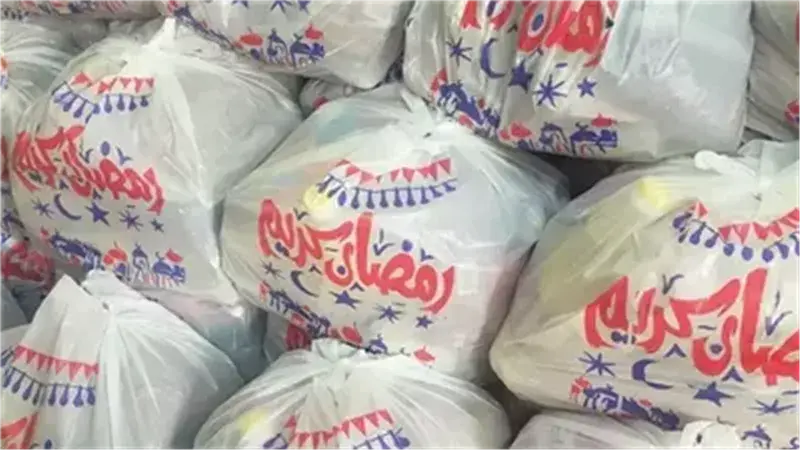

In Ramadan, mercy spreads across tables and homes, and food bags become silent messages of care. Yet a key question remains: do these Ramadan packages count as zakat, or are they simple charity?
The basic rule of zakat is that it should be given in money, allowing the poor person to own it and spend according to real needs — medicine, debts, or daily expenses. Cash often fulfills the purpose of zakat more effectively.
However, giving Ramadan food bags from zakat is permissible under clear conditions. The package must include essential items the needy truly require, with good quality, and without forcing people to take what they cannot benefit from.
Whoever purchases goods with zakat money acts as a representative of the poor. If the items do not serve their real needs, the act drifts away from the spirit of zakat and becomes ordinary charity instead.
Many needy people require cash more than food, so the original principle remains giving zakat in money. Still, providing value in food is allowed when it serves a real interest and removes hardship.
It is also valid to combine both: giving part in money and part in supplies with the intention of zakat, helping families secure necessities while preserving dignity.
Public iftar tables, however, are not paid from zakat funds, as zakat must be owned directly by the poor, while such meals fall under voluntary charity.
Thus, Ramadan food bags remain a beautiful form of giving, guided by sincere intention and wise understanding, so that charity keeps its soul and zakat reaches its rightful purpose.
For more religious updates and details, follow Masr Connect




