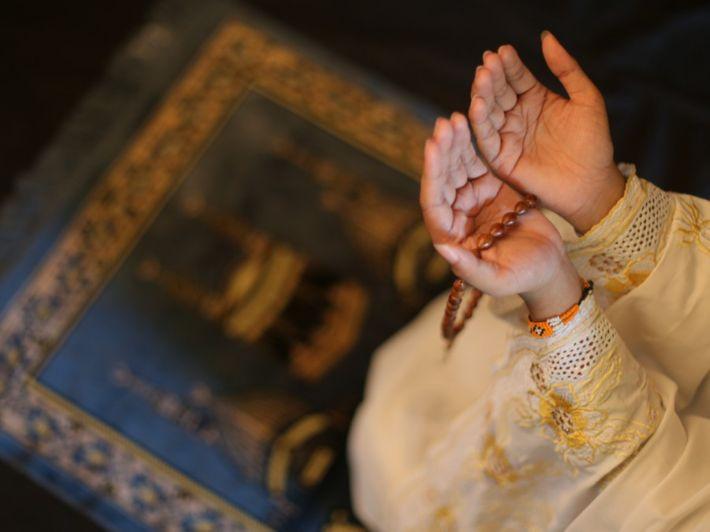

There are several practices and spiritual qualities that Muslims are encouraged to observe when turning to Allah in supplication. Among the most important are night prayer, sending blessings upon the Prophet Muhammad, seeking virtuous times for supplication, sincerity, a present heart, and confidence in Allah’s power.
Supplication is also strengthened by repentance, humility, patience, and avoiding impatience when an immediate answer does not appear.
Night Prayer Is One of the Greatest Times for Supplication
The night is among the most virtuous times for dua, particularly the later part of the night. Muslims are encouraged to use this time for prayer, remembrance, seeking forgiveness, and asking Allah for their needs.
A well-known prophetic hadith describes the virtue of this time, when it is announced: “Is there anyone asking, so that he may be given? Is there anyone supplicating, so that he may be answered?”
Night prayer therefore provides an opportunity to combine worship, remembrance, repentance, and sincere supplication while recognizing one’s dependence upon Allah.
Sending Blessings Upon the Prophet at the Beginning and End of Dua
One of the recommended etiquettes of supplication is to begin by praising Allah and then send blessings upon the Prophet Muhammad, before asking for one’s needs and concluding with blessings upon him.
This does not mean that sending blessings upon the Prophet is a condition for a valid supplication. Rather, it is a recommended practice that Muslims may observe when making dua.
A Muslim may begin by saying: “O Allah, send Your blessings and peace upon our master Muhammad,” then mention the matter they wish to ask Allah for, and conclude with blessings and peace upon the Prophet.
What Are the Main Etiquettes of Supplication?
Muslims are encouraged to observe several etiquettes when making dua. The supplication should concern something permissible and beneficial and should not involve sin, injustice, or wishing harm upon others without right.
Other important etiquettes include sincerity, humility, a present heart, good expectations of Allah, and certainty in His power and mercy.
It is also recommended to begin with praise of Allah, followed by blessings upon the Prophet, while expressing one’s need for Allah and turning to Him with repentance.
A person should not become impatient if the answer does not come immediately. Instead, they should continue making dua and trust Allah’s wisdom regarding its timing and form.
The Best Times for Supplication
Muslims are encouraged to seek times that have special virtue for dua. Among them are:
- The last third of the night and the time before dawn.
- The period between the call to prayer and the beginning of prayer.
- The Day of Arafah.
- The month of Ramadan.
- Laylat al-Qadr.
- Times of hardship and genuine need.
Supplication should not be limited to times of crisis. Maintaining dua during periods of ease strengthens a person’s relationship with Allah and reinforces reliance upon Him in every circumstance.
It is also virtuous to pray for parents, the sick, travelers, those who are fasting, people in need, and those facing injustice, as well as to pray for others in their absence.
Dua Is an Act of Worship and a Means of Relieving Distress
Supplication is one of the greatest acts of worship because it reflects a person’s dependence upon Allah and their need for His help and care.
Dua can also bring reassurance and hope to the heart, help relieve distress, and make difficulties easier to bear. It reflects genuine reliance upon Allah while continuing to take appropriate practical steps.
A believer should therefore not turn to dua only during hardship. Supplication is valuable during both ease and difficulty because a person remains in constant need of Allah.
Important Etiquettes to Observe When Making Dua
Among the recommended etiquettes of supplication are humility, sincerity, lowering the voice appropriately, raising the hands in circumstances where this is established, facing the Qiblah when possible, and performing ablution when convenient.
It is also recommended to repeat and persist in dua and to use legitimate means of drawing closer to Allah, including calling upon Him through His beautiful names and attributes and through righteous deeds.
A person should avoid artificial rhyming or excessive formality in supplication and should not pray against themselves, their families, their children, or their wealth.
Most importantly, the heart should be present during dua. The believer should recognize that they are turning to Allah, who has power over all things, rather than merely repeating words without awareness or conviction.
Why Is the Answer to a Prayer Sometimes Delayed?
The fulfillment of a supplication may be delayed for a wisdom known to Allah. Therefore, a Muslim should not interpret a delayed answer as rejection.
The response may come through the fulfillment of the request in this life, through a reward preserved for the Hereafter, or through Allah protecting the person from harm because of the supplication.
For this reason, Muslims are encouraged to continue making dua, avoid impatience, repent from sins, and maintain good expectations of Allah while trusting His wisdom.
Is Sending Blessings Upon the Prophet Required in Dua?
Sending blessings upon the Prophet Muhammad is not a condition for a valid supplication. However, it is a recommended etiquette, and Muslims are encouraged to include blessings upon the Prophet at the beginning and end of their dua.
What are the main reasons for answered prayers?
They include sincerity, a present heart, good expectations of Allah, night prayer, seeking virtuous times for dua, repentance, and avoiding impatience.
What is the best time to make dua?
Among the most virtuous times are the last third of the night, the time before dawn, the period between the call to prayer and the beginning of prayer, the Day of Arafah, and Laylat al-Qadr.
Is sending blessings upon the Prophet required for a prayer to be answered?
It is not a condition for a valid dua, but it is a recommended etiquette and may be included at the beginning and end of the supplication.
Why can a prayer take time to be answered?
The answer may be delayed for a wisdom known to Allah, fulfilled in another form, or connected to protection from harm or reward in the Hereafter.
Can Muslims make dua during times of ease?
Yes. Muslims are encouraged to make dua during both ease and hardship and not to reserve supplication only for times of crisis.