Religious Warning on Sorcery and Fortune-Tellers: Dar Al-Ifta Clarifies Islamic Ruling
Dar Al-Ifta emphasized that seeking fortune-tellers or sorcerers for benefit or harm prevention is strictly forbidden in Islam, warning against superstition and its impact on faith and society.

With the spread of superstitious practices, religious authorities continue to clarify Islamic rulings and highlight the dangers these beliefs pose to individuals and communities.
Ruling on visiting fortune-tellers
Dar Al-Ifta stated that going to fortune-tellers or sorcerers to gain benefit or avoid harm is not permissible in Islam, even without believing them, as it weakens faith and reliance on Allah.
The unseen belongs to Allah alone
It was emphasized that only Allah knows the unseen, and no human has the right to claim knowledge of the future, as this contradicts core Islamic beliefs.
The danger of horoscopes
The statement also warned against relying on horoscopes or false predictions when making life decisions such as marriage or work, as they are baseless illusions.
Protecting society from exploitation
Islamic teachings aim to protect people from psychological and financial exploitation, encouraging reliance on true faith, remembrance of Allah, and sound thinking.
For more details and the latest updates, follow Egypt Connect
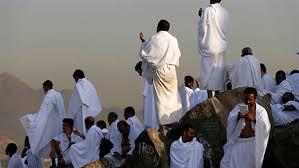
As Hajj 2026 approaches, Muslims increasingly search for a detailed guide to Hajj rituals, beginning with Ihram and continuing through sacred rites that culminate in the Farewell Tawaf, a spiritual journey of a lifetime.

A collection of powerful Islamic prayers for fulfilling needs and increasing sustenance, along with the virtue of supplication and trust in God.

A key Islamic clarification on whether a father can allocate all his wealth to his daughters during his lifetime and how it affects inheritance laws.

A clear Islamic explanation regarding whether prayers can be performed for someone who neglected them in life, and what deeds benefit the deceased.
