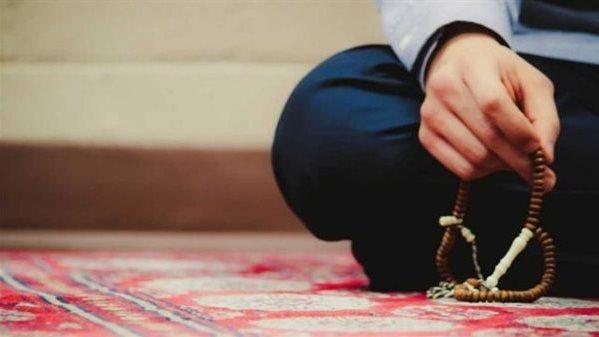

Many Muslims wonder about the ruling on Tasbeeh and Dhikr without moving the lips, particularly when a person remembers Allah silently in the heart without actually pronouncing the words.
Islamic teachings distinguish between different forms of remembrance. Some forms involve the heart, while others involve the tongue. The most complete form combines awareness of the heart with verbal remembrance and reflection on the meaning of the words.
Is It Permissible to Remember Allah Without Moving the Lips?
Remembering Allah in the heart is a valid and rewarding act. However, some verbal acts of worship cannot be fulfilled simply by mentally recalling their words. They require actual pronunciation and movement of the tongue.
The ruling therefore depends on the particular type of remembrance or worship being performed.
Remembrance of Allah in the Heart
A Muslim can remember Allah in the heart by contemplating His greatness and keeping Him present in one's thoughts. This is a legitimate form of remembrance for which a person may receive reward.
However, heart remembrance does not replace acts of worship that specifically require verbal recitation.
The Most Complete Form of Dhikr
The most complete form of Dhikr combines the heart and the tongue.
The Muslim does not merely repeat words mechanically but reflects on their meanings and remains conscious of the greatness of Allah while saying them.
This gives remembrance greater presence and spiritual impact.
Is Mentally Reciting Al-Fatihah Enough During Prayer?
Some acts of worship are verbal acts that require pronunciation, including the recitation of Al-Fatihah in prayer, the opening Takbir, and certain prayer remembrances.
Therefore, simply passing the words of Al-Fatihah through one's mind without actually pronouncing them does not fulfill the verbal recitation in the required manner.
The Difference Between General Dhikr and Verbal Worship
General remembrance can take place through the heart or tongue, and each has its own virtue.
However, acts of worship that require verbal pronunciation cannot be fulfilled merely by thinking about their words.
This distinction is important when considering the difference between heart remembrance and worship that requires spoken words.
Does a Muslim Receive Reward for Dhikr While Working?
A Muslim may remember Allah while working, driving, or carrying out daily activities without having complete concentration on every word being said.
A lack of perfect concentration does not necessarily mean that the reward disappears.
Verbal remembrance remains a good deed for which a Muslim may receive reward, while remembrance accompanied by reflection and awareness of the meaning is more complete and carries greater spiritual value.
Does Distraction During Dhikr Prevent Reward?
Some degree of distraction while remembering Allah does not necessarily eliminate the reward.
A person may be occupied with work while continuing to remember Allah, and this is better than using the tongue for backbiting or useless speech.
Nevertheless, Muslims are encouraged to strive for greater concentration and to combine verbal remembrance with awareness of the heart.
Reflection Makes Dhikr More Complete
Reflecting on the meanings of Dhikr is among the most complete forms of remembrance because it allows a Muslim to understand what they are saying and transforms remembrance from repeated words into a form of spiritual communion and awareness of Allah's greatness.
Combining the Heart With the Tongue
When a Muslim pronounces Dhikr while consciously reflecting on its meaning, the remembrance becomes more complete.
Tasbeeh is not merely the repetition of words; it expresses the glorification and transcendence of Allah. Likewise, praise of Allah is not merely a phrase but an acknowledgment of His blessings and favors.
Does Remembrance in the Heart Carry Reward?
Yes. Remembering Allah in the heart is a legitimate act with its own virtue, just as remembrance with the tongue carries reward.
The most complete level is achieved when the heart and tongue work together: the Muslim remains conscious of Allah's greatness while verbally reciting the appropriate words of remembrance.
Must the Tongue Move During Every Form of Dhikr?
Not every form of remembrance has exactly the same ruling.
Heart remembrance is legitimate and virtuous, while some verbal acts of worship require actual pronunciation. Examples include the recitation of Al-Fatihah in prayer and the opening Takbir, along with certain prayer remembrances.
Therefore, the ruling depends on the specific act of worship.
Conclusion
Remembering Allah in the heart is a legitimate and rewarding act, while remembrance with the tongue is also a good deed. The most complete form combines awareness of the heart, verbal pronunciation, and reflection on the meaning.
Acts of worship that specifically require verbal pronunciation cannot be fulfilled merely by mentally recalling their words. This includes the recitation of Al-Fatihah during prayer and the opening Takbir.
Remembering Allah while working, even with some degree of distraction, does not necessarily mean that the reward is lost. Nevertheless, Dhikr accompanied by concentration, reflection, and awareness of the heart is more complete and spiritually beneficial.
Is it permissible to make Tasbeeh without moving the lips?
Remembering Allah in the heart is legitimate and rewarding, but certain verbal acts of worship require actual pronunciation.
Is mentally reciting Al-Fatihah enough during prayer?
No. Merely thinking about the words of Al-Fatihah is not sufficient for the required verbal recitation during prayer.
Does a Muslim receive reward for Dhikr while working?
Yes. Verbal Dhikr is a good deed for which a Muslim may receive reward, even when there is some distraction.
Does remembering Allah in the heart have a reward?
Yes. Heart remembrance is legitimate and has its own virtue, while combining the heart and tongue is the more complete form.
Does reflection make Dhikr more complete?
Yes. Reflecting on the meanings of Dhikr and being conscious of Allah's greatness makes remembrance more complete.