Is Drawing Human Faces Haram? Islamic Ruling Explained
Learn the Islamic ruling on drawing human faces, when it is permissible or prohibited, based on detailed scholarly guidance.
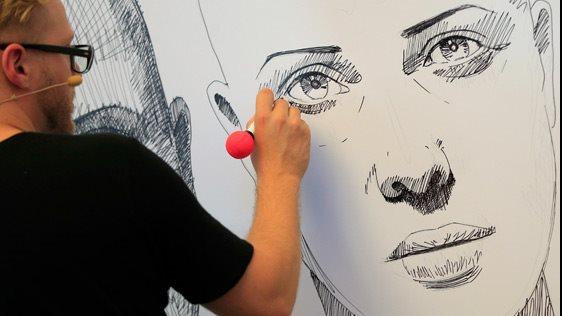

Drawing human faces raises many questions, especially with the widespread use of visual arts in modern life. Is it always prohibited, or does the ruling depend on intention and form?
In this article, we clarify the Islamic ruling in detail, outlining when drawing is permissible and when it becomes prohibited.
What Is the Original Ruling on Drawing in Islam?
Is Drawing Generally Prohibited?
Drawing is not absolutely prohibited. It is:
- A form of artistic expression
- A tool used for education and illustration
- A skill that varies from person to person
There are indications that drawing has been used as a method of explanation and teaching, which shows that its الأصل is permissibility when it serves a beneficial purpose.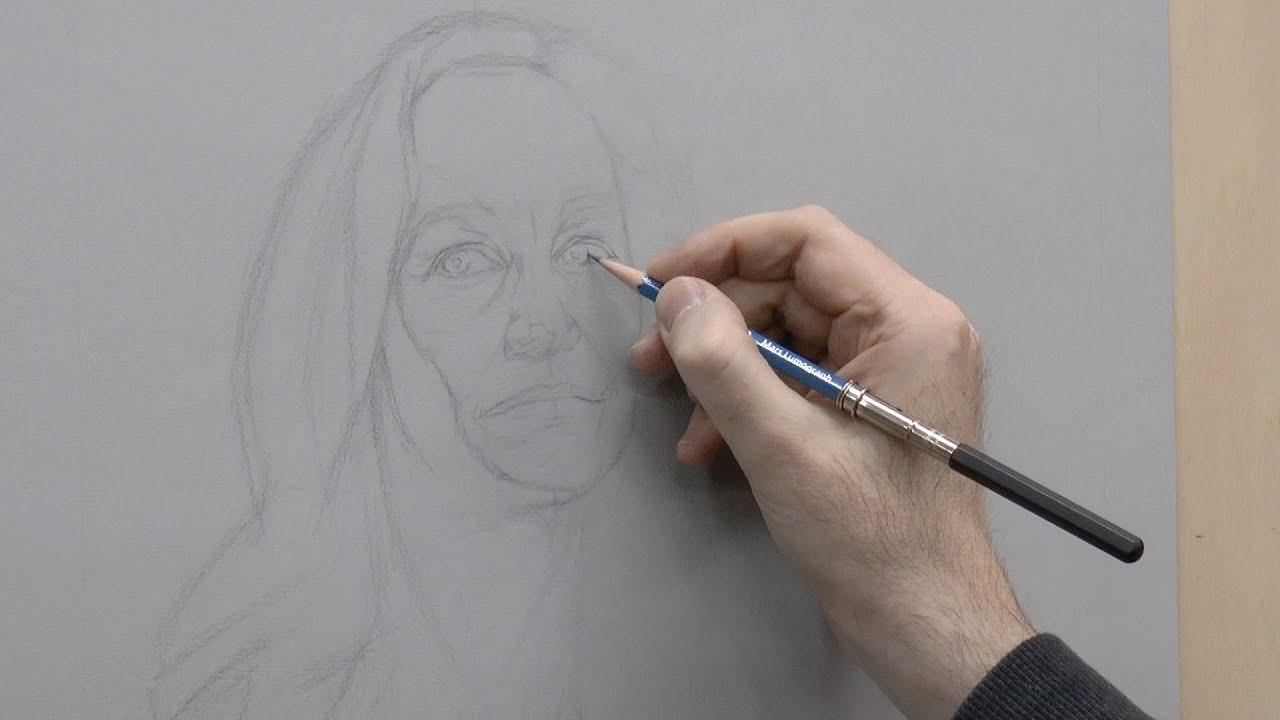
Is Drawing Human Faces Haram?
Cases Where Drawing Is Permissible
Drawing human faces is allowed when:
- The purpose is permissible or beneficial
- It is used for education or clarification
- It helps in identifying individuals in certain situations
- It is free from any prohibited intent
In these cases, drawing is acceptable as it serves a useful function.
When Is Drawing Faces Prohibited?
Forbidden Cases
Drawing human faces becomes prohibited if:
- The drawing is three-dimensional (sculpture/statue)
- It is used for worship or veneration
In such cases, the ruling shifts from permissibility to prohibition due to potential religious concerns.
Does the Ruling Differ Between Men and Women?
Is Drawing Women’s Faces Different?
The ruling does not depend on whether the face is of a man or a woman. Instead, it depends on:
- The purpose of the drawing
- The form (2D or 3D)
So, the general ruling applies equally, with consideration of the surrounding circumstances.
Why Is Drawing Allowed in Some Cases?
The Wisdom Behind the Ruling
Islamic law regulates rather than forbids beneficial means:
- Drawing is allowed when it serves a useful or educational purpose
- It is prohibited when linked to worship or exaggeration in reverence
This reflects a balance between enabling creativity and preventing misuse.
Summary of the Ruling
- Drawing is generally permissible
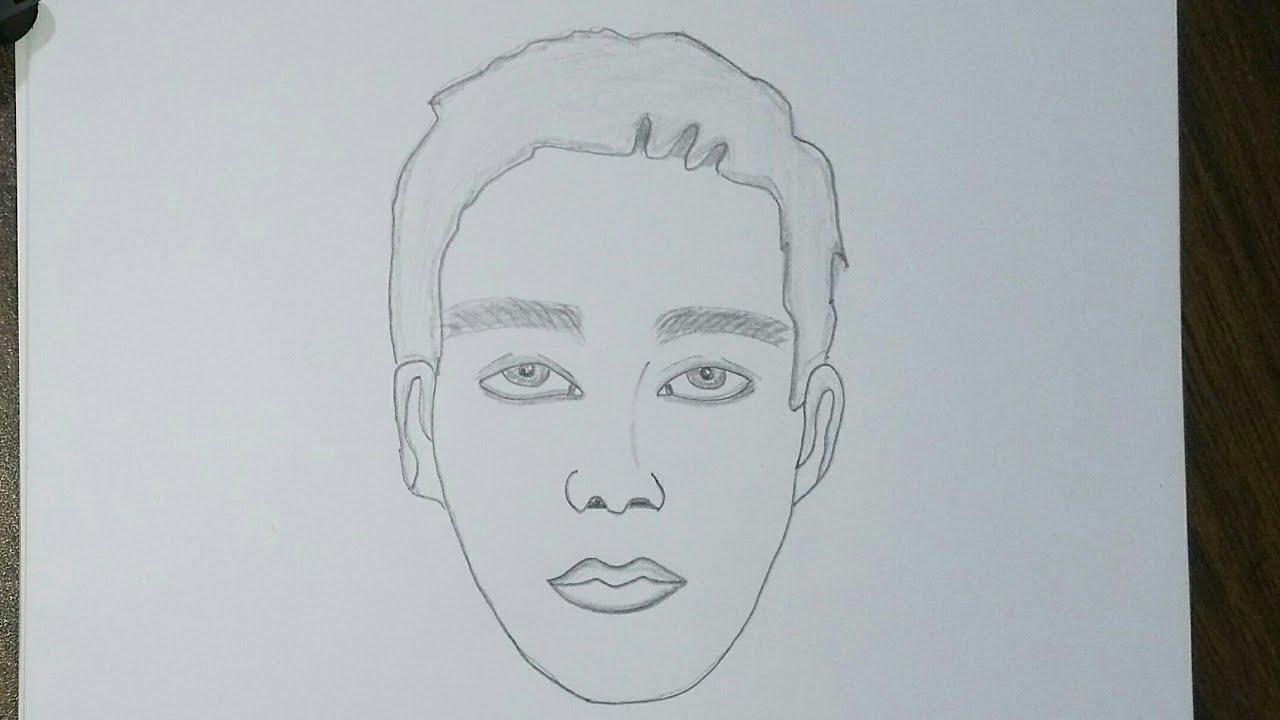
- Drawing faces is allowed if for a lawful, beneficial purpose
- It is prohibited if it is three-dimensional or for worship
- No distinction between men and women in the general ruling
FAQ
Is all face drawing considered haram?
No, it depends on the purpose and form, not all drawings are prohibited.
Is drawing for education allowed?
Yes, if it serves a teaching or explanatory purpose.
Do statues fall under prohibition?
Yes, three-dimensional figures are generally included in prohibited cases.
Is drawing for identification purposes allowed?
Yes, especially when it serves a necessary or beneficial function.
Does intention affect the ruling?
Yes, intention plays a key role in determining permissibility.

Learn about the authentic evening adhkar from the Sunnah, their virtues, recommended repetitions, and how they bring protection, peace, and blessings.

Ruqyah Shar’iyyah is one of the Islamic methods of seeking healing and protection through Quranic verses and prophetic supplications. Learn its correct method, verses, and duas.

Learn the dates of the White Days of Safar, the virtues of fasting them, why they are called the White Days, and the Islamic teachings regarding this recommended Sunnah.
Discover the complete story of Prophet David (Dawood) in Islam, including how he became both a king and a prophet, his miracles, his devotion to worship, and his remarkable life according to the Quran and authentic Sunnah.
