
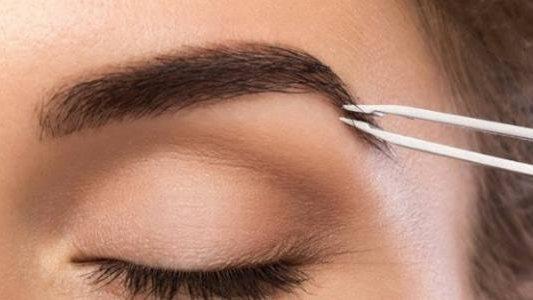

Egypt’s Dar al-Ifta explained that a married woman may remove or groom some eyebrow hair with her husband’s permission when the purpose is beautification for him and maintaining good marital relations, within the conditions mentioned in the ruling.
The explanation refers to the importance Islam gives to cleanliness, personal appearance, and permissible beautification between spouses.
The ruling, however, depends on the particular form of hair removal, its purpose, and the circumstances involved.
Can a Married Woman Remove Eyebrow Hair?
According to the explanation provided by Dar al-Ifta, removing excess eyebrow hair may be permissible when the hair is beyond the customary shape, causes discomfort to the eye, or creates an appearance that the husband finds unpleasant, provided that the stated conditions are met.
The purpose in this case is beautification and maintaining a good appearance within marriage.
This does not mean that every form of eyebrow alteration has the same ruling. The details of the method and intention remain relevant.
What Does Eyebrow Grooming Mean?
Eyebrow grooming can refer to removing excess hair that extends beyond the customary shape or causes discomfort, with the aim of maintaining cleanliness and a pleasant appearance.
Scholarly discussions distinguish between permissible forms of grooming and practices intended to alter appearance in ways that fall under different religious rulings.
Is the Husband’s Permission Required?
According to the ruling cited by Dar al-Ifta, the husband’s permission is relevant when eyebrow grooming is undertaken for beautification for him.
The institution cited opinions from scholars across several Islamic schools of jurisprudence indicating that certain forms of hair removal for women may be permissible when intended as marital beautification and when the husband permits it.
The underlying consideration is the legitimate interest of spouses in permissible adornment and good marital relations.
What Is the Ruling on Removing Excess Eyebrow Hair?
Dar al-Ifta explained that removing excess eyebrow hair may fall under permissible grooming, particularly when the hair is outside the customary appearance, causes discomfort, or is something the husband finds unattractive.
Some jurists also discussed the permissibility of removing body hair when doing so improves a woman's appearance within the context of marital life.
What Did Classical Scholars Say About Eyebrow Grooming?
Dar al-Ifta cited positions from scholars associated with the Hanafi, Maliki, Shafi‘i, and Hanbali schools concerning different forms of women's grooming and hair removal.
Some of these discussions allow certain forms of hair removal for beautification, including cases where the husband gives permission.
Other cited opinions indicate that removing hair that causes a husband to feel aversion may be treated differently when the purpose is legitimate beautification.
Can a Woman Be Rewarded for Beautifying Herself for Her Husband?
Beautifying oneself for one's spouse and maintaining good marital relations can be rewarded when done with a sincere intention and within what is religiously permissible.
For this reason, Dar al-Ifta explained that if a woman intends to groom her eyebrows for her husband, seeks good marital relations, and follows the conditions of the permissible ruling, she may be rewarded for that intention.
How Is Eyebrow Grooming Connected to Cleanliness and Beautification?
Islam encourages cleanliness and good personal appearance. The Prophetic teachings concerning the acts of natural disposition include practices such as trimming the nails, removing underarm hair, and removing pubic hair.
Within this broader framework, jurists discussed various forms of women's grooming and hair removal, particularly where removal serves cleanliness, comfort, or legitimate beautification.
The ruling can nevertheless differ according to the specific method and purpose, so one general ruling should not automatically be applied to every form of eyebrow alteration.
Conclusion
A married woman may groom her eyebrows in the forms addressed by the ruling, particularly when removing excess or bothersome hair for the purpose of beautification for her husband and with his permission.
Dar al-Ifta emphasized that permissible beautification between spouses is connected to good marital relations, while the ruling depends on the specific form of grooming, its purpose, and the relevant conditions.
Can a married woman groom her eyebrows in Islam?
According to the cited ruling, certain forms of eyebrow grooming are permissible, particularly when removing excess or bothersome hair for marital beautification and under the stated conditions.
Does a husband’s permission matter?
Yes. According to the ruling, his permission is relevant when the grooming is intended as beautification for him.
Is removing excess eyebrow hair permissible?
Dar al-Ifta explained that certain forms of removing excess hair may be permissible, particularly when it causes discomfort or is outside the customary appearance.
Can a woman be rewarded for beautifying herself for her husband?
Yes. If the beautification is religiously permissible and intended to maintain good marital relations and please Allah, the intention can be rewarded.
Does every form of eyebrow removal have the same ruling?
No. The ruling depends on the specific method, purpose, and circumstances, so different forms should not automatically be treated identically.




