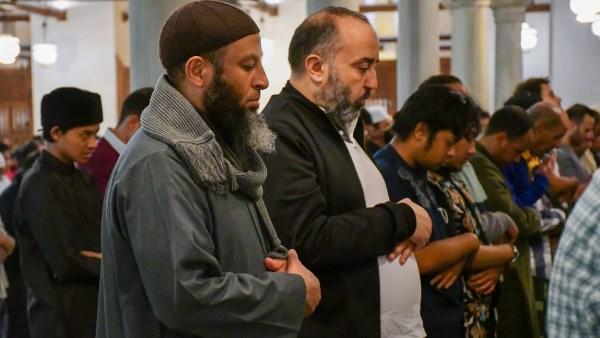

Egypt’s Dar Al-Ifta addressed a question concerning mentioning a specific person by name while making dua during prayer. The question came from someone who wanted to pray for people who had shown him kindness or benefited him, such as his parents or a teacher.
Dar Al-Ifta explained that there is no religious objection to mentioning a specific person by name when praying for them during prayer, whether the prayer is obligatory or voluntary.
Can You Pray for a Specific Person During Prayer?
Dar Al-Ifta explained that supplication is an encouraged act of worship established in Islamic teachings. Therefore, a worshipper may pray for people he wishes to benefit from his supplication, including parents, relatives, teachers, and those who have done him good.
A worshipper is not required to restrict every supplication made during prayer to a specific wording found in the Quran or Sunnah, provided that the supplication itself is permissible.
Ruling on Non-Prophetic Supplications During Prayer
Dar Al-Ifta stated that the established positions of the major schools of Islamic jurisprudence do not require worshippers to restrict their supplications during prayer exclusively to texts reported in the Quran and Sunnah.
However, prophetic supplications are considered preferable, particularly when the worshipper understands their meaning and maintains a present heart while reciting them.
A person may therefore make other permissible supplications during prayer as long as they do not violate Islamic principles.
Can You Ask Allah for Worldly and Hereafter Matters?
According to the majority position among Maliki, Shafi‘i, and Hanbali scholars, a Muslim may ask Allah during prayer for whatever he needs from the good of this world and the Hereafter.
This may include asking Allah for health, provision, well-being, relief from difficulties, fulfillment of needs, or blessings for one's parents and those who have shown kindness.
Nevertheless, prophetic supplications remain preferable, especially when the worshipper understands their meanings and maintains sincere concentration during the dua.
Are There Supplications That Are Not Permitted During Prayer?
Dar Al-Ifta explained that something which is impermissible to ask for outside prayer is likewise impermissible to ask for inside prayer.
A Muslim should therefore not make a supplication involving something prohibited or asking Allah for assistance in committing a sin.
Scholars have differed regarding some forms of worldly supplication and expressions that may resemble ordinary human speech or worldly wishes.
The majority permits supplication during prayer for legitimate worldly and religious needs, provided that the request itself is permissible.
Balancing Prophetic and Personal Supplications
The basic principle is that a Muslim may ask Allah during prayer for what is good, while observing Islamic manners and avoiding supplications involving sin or severing family ties.
Prophetic supplications remain the most complete choice, particularly when their wording is authentic, their meaning is understood, and the worshipper's heart is present while making the dua.
Can I mention someone's name while making dua during prayer?
Yes. It is permissible to specifically pray for someone and mention their name during either obligatory or voluntary prayer.
Must supplications during prayer use prophetic wording?
No. A worshipper is not required to use only reported supplications, although prophetic duas are preferable.
Can I ask Allah for worldly matters during prayer?
Yes. According to the majority of jurists, a person may ask Allah for legitimate worldly and religious needs.
Can I pray for another person during prayer?
Yes. It is permissible to pray for parents, relatives, teachers, and other people who deserve supplication.
What kind of dua is not permitted during prayer?
A person should not ask for something prohibited or sinful, since an impermissible request remains impermissible inside prayer.