
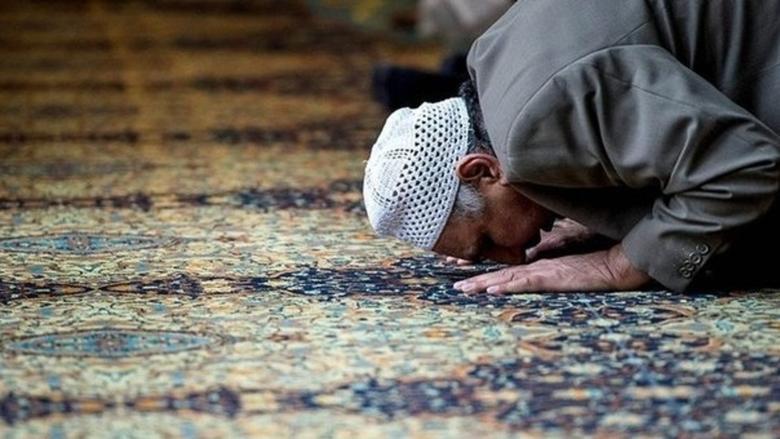

Prayer is one of the most fundamental acts of worship in Islam, ordained upon every accountable Muslim at specific times, and it remains a personal obligation that cannot be delegated or transferred to others.
Islamic rulings clarify that prayer is a physical act of worship that must be performed individually. Therefore, it is not permissible for anyone to pray on behalf of a deceased person, whether the missed prayers were obligatory or vowed, and regardless of whether they were left due to excuse or negligence.
Accordingly, fidyah is not prescribed for missed prayers of the deceased, as there is no established compensation in Islamic law that replaces prayer with financial payment. Instead, what benefits the deceased are acts such as supplication, seeking forgiveness, and charity, all of which may reach them by Allah’s mercy.
Regarding compensation after death, scholars affirm that prayer cannot be replaced by money or any alternative act. It is an independent obligation tied to the individual’s lifetime, and they are accountable for it on the Day of Judgment, as prayer is linked to specific appointed times.
For a person who had missed prayers during their lifetime, the obligation is to make up those prayers while still alive and to strive toward fulfilling them. If they pass away after sincerely intending to make them up and beginning the process, it is hoped that Allah, in His vast mercy, will forgive them based on their intention and repentance.
Ultimately, Islamic teachings encourage the living to benefit their deceased loved ones through good deeds such as supplication and charity, as these are among the most effective means of reaching the deceased with reward and mercy.
For more details and the latest news, follow Misr Connect




