Ruling on Celebrating Mawlid al-Nabawi and Ways to Observe It in Islam
Learn the Islamic ruling on celebrating Mawlid al-Nabawi, and Egypt’s Dar Al-Ifta’s view on commemorating the Prophet Muhammad’s birth through remembrance, worship, charity, and studying his biography.
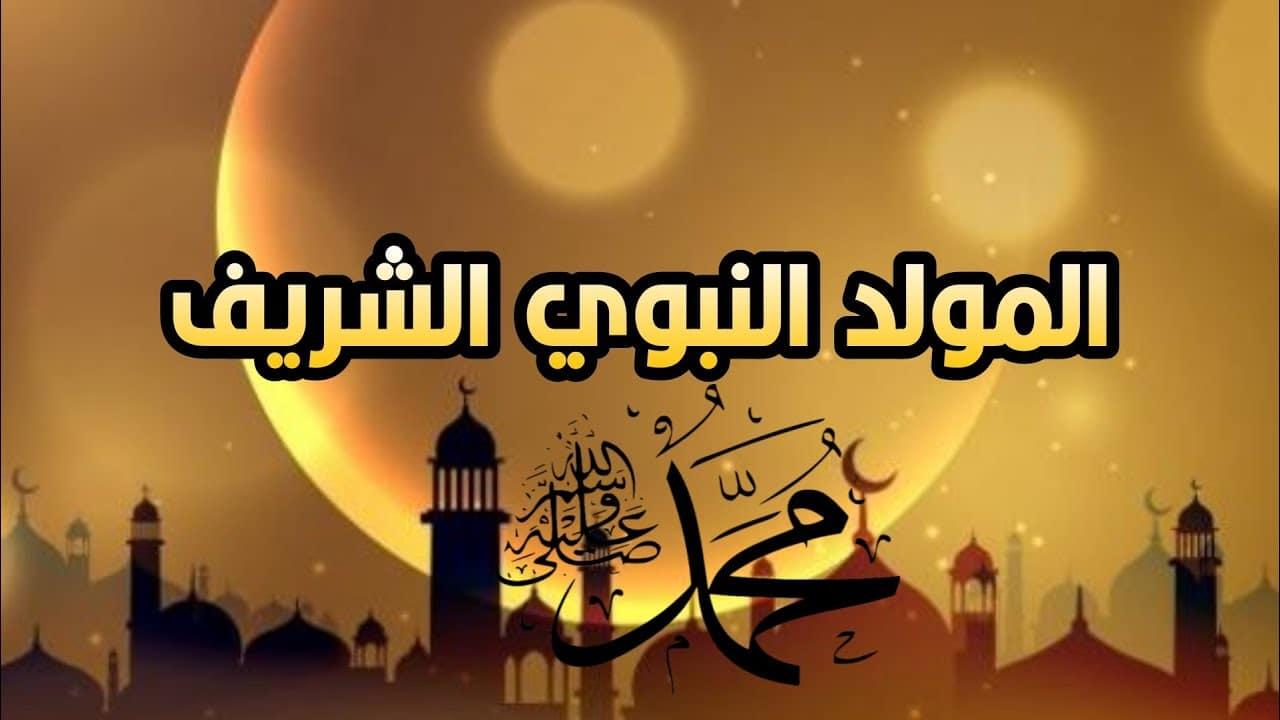

Ruling on Celebrating Mawlid al-Nabawi and Ways to Observe It in Islam
Celebrating Mawlid al-Nabawi, the anniversary of the birth of Prophet Muhammad ﷺ, is one of the topics that many Muslims ask about, especially regarding its Islamic ruling and the proper ways to commemorate this blessed occasion. Egypt’s Dar Al-Ifta has stated that commemorating the Prophet’s birth anniversary is among the virtuous acts and great forms of worship because it expresses love, happiness, and gratitude for the Messenger of Allah ﷺ, whose love is considered a fundamental part of faith.
Islamic Ruling on Celebrating Mawlid al-Nabawi
Dar Al-Ifta Egypt explained that celebrating Mawlid al-Nabawi is permissible because it reflects love and respect for Prophet Muhammad ﷺ and gratitude to Allah Almighty for sending him as a mercy to mankind. Dar Al-Ifta cited the hadith of Anas ibn Malik رضي الله عنه, where the Prophet ﷺ said: “None of you truly believes until I am more beloved to him than his father, his child, and all people.” (Reported by Al-Bukhari and Muslim) This hadith highlights the importance of loving the Prophet ﷺ, and that true love appears through following his teachings, remembering his virtues, and adopting his noble character.
What Does Celebrating Mawlid al-Nabawi Mean?
Dar Al-Ifta explained that celebrating Mawlid al-Nabawi is not limited to one specific practice. Rather, it includes every act that expresses love for the Prophet ﷺ and gratitude to Allah for his blessed birth. Examples of celebrating Mawlid include:
Studying the Prophet’s Biography
Muslims may gather to read and learn about the life of Prophet Muhammad ﷺ, his morals, his mercy, and his teachings that guide people toward goodness.
Remembering the Prophet ﷺ and Sending Blessings Upon Him
One of the expressions of love for the Prophet ﷺ is increasing prayers and blessings upon him and mentioning his noble qualities and virtues.
Giving Charity and Feeding Others
Providing food for the poor, helping those in need, expanding generosity toward family members, and showing kindness to neighbors are among the good deeds associated with this occasion.
Increasing Worship and Good Deeds
Many Muslims observe this occasion through Quran recitation, supplication, remembrance of Allah, and other acts of worship as expressions of gratitude.
The Importance of Loving Prophet Muhammad ﷺ
Love for Prophet Muhammad ﷺ is one of the greatest meanings of faith. Islam encourages Muslims to follow his example and apply his teachings in their lives. A Muslim’s love for the Prophet ﷺ appears through: Following his Sunnah. Maintaining good manners. Showing mercy and kindness. Helping others. Spreading goodness and compassion.
Scholars’ Views on Honoring the Prophet’s Birthday
Many scholars have stated that honoring the Prophet’s birth anniversary can be done through expressing gratitude to Allah, increasing remembrance, supplication, Quran recitation, and sending blessings upon the Prophet ﷺ. The Hanafi scholar Qutb Al-Din Al-Nahrawali, the Mufti of Makkah, described gatherings held on the 12th night of Rabi’ al-Awwal, where scholars and people gathered to remember the Prophet ﷺ and express happiness at his birth. He explained that believers naturally rejoice in the birth of the greatest of prophets and express gratitude for this great blessing.
Responding to Those Who Reject Mawlid Celebrations
Scholars who support Mawlid observance explain that the purpose is not to introduce a new act of worship, but rather to gather for permissible acts such as Quran recitation, remembrance of Allah, sending blessings upon the Prophet ﷺ, and learning about his life. Some scholars have described these gatherings as a “good innovation” because they include acts of worship and ways of honoring the Prophet ﷺ. They also refer to the statement of the Prophet ﷺ when he was asked about fasting on Mondays: “That is the day on which I was born.” (Reported by Muslim) Scholars explain that this indicates the virtue of thanking Allah for the blessing of the Prophet’s birth through worship and obedience.
The Best Way to Celebrate Mawlid al-Nabawi
Although celebrations may take different forms, the greatest way to honor Prophet Muhammad ﷺ is by following his guidance and applying his Sunnah in everyday life. Important ways to follow the Prophet ﷺ include: Being truthful and trustworthy. Showing mercy toward others. Maintaining excellent character. Helping those in need. Spreading peace and kindness.
Conclusion
Egypt’s Dar Al-Ifta confirms that celebrating Mawlid al-Nabawi is an occasion for expressing love for Prophet Muhammad ﷺ and thanking Allah Almighty for the blessing of his birth and message. This remembrance can include studying his biography, sending blessings upon him, reciting the Quran, giving charity, feeding others, and increasing acts of worship. The greatest expression of love for the Prophet ﷺ remains following his Sunnah and embodying his noble character in daily life.
What is Mawlid al-Nabawi?
Mawlid al-Nabawi is the anniversary of the birth of Prophet Muhammad ﷺ, observed by many Muslims through remembrance, worship, and learning about his life.
Is celebrating Mawlid al-Nabawi permissible?
Egypt’s Dar Al-Ifta considers it permissible as a way to express love for the Prophet ﷺ and gratitude to Allah.
How do Muslims celebrate Mawlid al-Nabawi?
They celebrate it through studying the Prophet’s biography, sending blessings upon him, charity, feeding others, and increasing good deeds.
Why is loving Prophet Muhammad ﷺ important?
Because love for the Prophet ﷺ is an essential part of faith, and Muslims are encouraged to follow his teachings and example.
What is the best way to honor Prophet Muhammad ﷺ?
The best way is to follow his Sunnah, practice his morals, and apply his teachings in daily life.
Discover powerful prophetic duas for answered prayers, including the Dua of Prophet Yunus and prayers for removing hardship, with the best times and manners of supplication
Discover the story of Prophet Ibrahim and Lady Sarah with the tyrant, how Allah protected Sarah through a great miracle, and the lessons of faith and trust in Allah.

Learn about Harut and Marut, the different scholarly interpretations of the verse, and the meaning of the readings related to "the two kings."

Discover the life of Omar ibn Abdul Aziz, his knowledge, devotion, and remarkable leadership based on justice and reform.
