Ruling on Praying Two Rak‘ahs After Wudu: Its Great Virtue
Learn the Islamic ruling on praying two rak‘ahs after wudu, the virtue of the Wudu prayer, the best time to perform it, and what the Sunnah says about its reward.
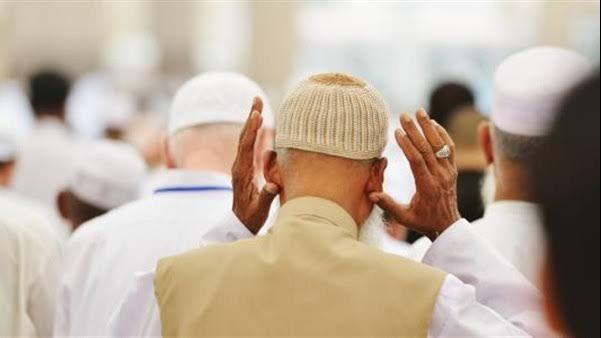

Egypt’s Dar Al-Ifta explained the ruling on praying two rak‘ahs after performing wudu, confirming that praying after purification is a recommended Sunnah that Muslims are encouraged to maintain because of the hadiths that highlight its virtue and reward.
This prayer is commonly known as the Wudu prayer or the two rak‘ahs of purification, and it is among the voluntary prayers through which a Muslim seeks closeness to Allah.
What Is the Ruling on Praying Two Rak‘ahs After Wudu?
Dar Al-Ifta confirmed that praying two rak‘ahs after wudu is a recommended Sunnah, and that the majority of Islamic jurists have stated that it is recommended.
The two rak‘ahs are considered part of the voluntary prayers that a Muslim may perform to seek reward and draw closer to Allah.
What Evidence Supports the Wudu Prayer?
Dar Al-Ifta cited the hadith in which the Prophet Muhammad, peace and blessings be upon him, asked Bilal, may Allah be pleased with him:
“Tell me about the most hopeful deed you have done in Islam.”
Bilal replied that whenever he performed purification during the day or night, he would pray after that purification whatever Allah had decreed for him to pray.
The narration demonstrates the virtue of praying after purification.
What Is the Virtue of the Two Rak‘ahs After Wudu?
Another narration reported from Uthman, may Allah be pleased with him, states that the Prophet Muhammad, peace and blessings be upon him, performed wudu and then said:
“Whoever performs wudu like this wudu of mine and then prays two rak‘ahs without distracting himself with anything, Allah will forgive his previous sins.”
The hadith emphasizes the virtue of combining purification with prayer and maintaining focus during worship.
Do the Two Rak‘ahs After Wudu Lead to Forgiveness?
The narration mentioned above describes a great virtue for this prayer. It states that whoever performs wudu and then prays two rak‘ahs without allowing his mind to become distracted may receive forgiveness for his previous sins.
What Is the Best Time to Pray the Wudu Prayer?
Dar Al-Ifta explained that the best time to perform the two rak‘ahs is immediately after completing wudu, without a long interruption between purification and prayer.
Performing the prayer promptly better fulfills the meaning of the Sunnah because the prayer is directly connected to the purification that precedes it.
Can the Wudu Prayer Be Performed After a Delay?
Dar Al-Ifta noted that Islamic jurists differed concerning how long the Wudu prayer remains connected to the purification.
Some scholars held that it is lost when a person deliberately turns away from it, while others considered it lost after a customary lengthy interval. Other scholars held that it remains until the wudu is invalidated.
For this reason, it is preferable to pray the two rak‘ahs immediately after wudu, both to avoid disagreement and to attain the virtue of the Sunnah.
How Many Rak‘ahs Is the Wudu Prayer?
The basic form of the Wudu prayer is two rak‘ahs. Dar Al-Ifta also noted that a person may pray two or more voluntary rak‘ahs after purification.
The important point is to intend drawing closer to Allah through prayer after completing wudu.
Can More Than Two Rak‘ahs Be Prayed After Wudu?
Yes. A Muslim may perform additional voluntary prayers after wudu, although the specific prayer associated with purification is the two-rak‘ah Wudu prayer.
What Is the Virtue of Performing More Voluntary Prayers?
Dar Al-Ifta emphasized the great virtue of voluntary worship and cited the hadith qudsi:
“My servant continues to draw near to Me with voluntary deeds until I love him.”
Prayer is among the greatest acts of worship, making voluntary prayers an important means of seeking closeness to Allah and increasing good deeds.
Why Is the Wudu Prayer Significant?
The Wudu prayer combines the virtue of purification with the virtue of prayer. It gives the Muslim an opportunity to turn immediately after wudu toward an additional act of worship.
Maintaining voluntary prayers can also strengthen a Muslim’s connection with Allah and encourage consistency in worship.
Should a Muslim Intend the Wudu Prayer?
It is recommended for the Muslim to intend the Wudu prayer when performing the two rak‘ahs after purification, especially when the prayer is being performed specifically because of the wudu.
The intention depends on what the worshipper seeks to perform and may, in some circumstances, be combined with another voluntary prayer intention.
Conclusion: Ruling and Best Time for the Wudu Prayer
Praying two rak‘ahs after wudu is a recommended Sunnah according to the majority of Islamic jurists, and prophetic narrations mention great virtues associated with it.
The preferred practice is to perform the prayer immediately after completing wudu, without a lengthy interruption, in order to attain the virtue of the Sunnah and avoid the differences among scholars concerning its timing.
What is the ruling on praying two rak‘ahs after wudu?
Praying two rak‘ahs after wudu is a recommended Sunnah according to the majority of Islamic jurists.
When is the best time to perform the Wudu prayer?
The preferred time is immediately after completing wudu, before there is a lengthy interruption.
How many rak‘ahs are in the Wudu prayer?
The Wudu prayer is traditionally two rak‘ahs, although additional voluntary prayers may also be performed after purification.
Do the two rak‘ahs after wudu lead to forgiveness?
A prophetic narration mentions forgiveness of previous sins for a person who performs wudu and then prays two rak‘ahs with focused attention.
Must the Wudu prayer be performed immediately?
It is preferable to perform it immediately after wudu, although scholars differed concerning how long the prayer remains connected to the purification.

Learn the dua for protection when leaving the house, the supplications for relying on Allah, seeking protection from harm, and the authentic remembrance recited before going out.

Egypt’s Grand Mufti Dr. Nazir Ayyad explains that having children in Islam is not about numbers alone, but about preserving lineage, raising children properly, and building society.
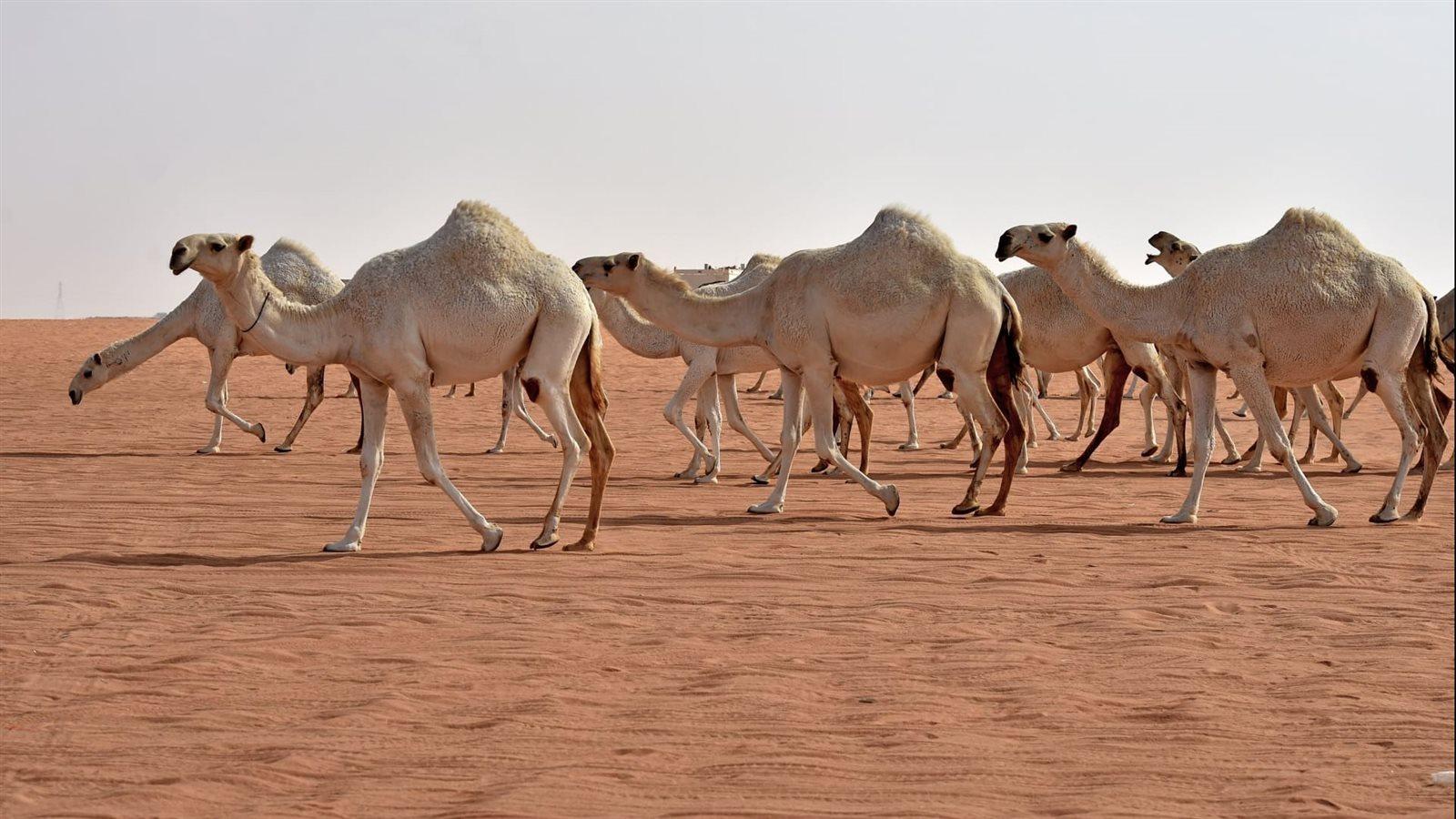
Egypt’s Dar Al-Ifta explains the Islamic ruling on horse, mule, donkey, and camel races, including the conditions that make competitions permissible and the prohibition of gambling.
Was the Quran compiled during the lifetime of Prophet Muhammad ﷺ or under Caliph Uthman? Learn the three stages of Quran preservation, collection, and standardization.
