Ruling on Praying in the Dark and Closing the Eyes for Khushu
Egyptian Dar Al-Ifta explained the ruling on praying with the lights off and closing the eyes to achieve greater khushu, emphasizing that the main consideration is concentration and presence of the heart.
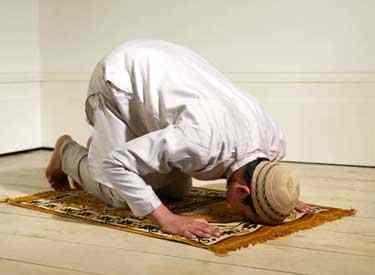

What is the ruling on praying with the lights off and closing the eyes to achieve greater khushu? Sheikh Mahmoud Shalaby, Secretary of Fatwa at Egypt’s Dar Al-Ifta, explained that there is no objection to doing so if it helps the worshipper concentrate, remain focused and achieve greater presence of the heart during prayer.
Ruling on Closing the Eyes During Prayer
The Secretary of Fatwa at Egypt’s Dar Al-Ifta explained that the general practice during prayer is for the worshipper to look toward the place of prostration.
Some Islamic scholars considered deliberately closing the eyes during prayer disliked when there is no need for it, particularly if doing so could distract the mind or reduce concentration.
However, if closing the eyes helps a person achieve greater khushu and prevents distractions, there is no objection to doing so. The matter may differ from one person to another according to what helps them maintain concentration during prayer.
Is It Permissible to Pray in the Dark?
Praying with the lights turned off is permissible in principle. Islamic prayer does not require a particular level of lighting as long as the place is suitable for prayer and the worshipper can perform all the required actions correctly.
Therefore, turning off the lights does not invalidate prayer, particularly when the purpose is to reduce distractions and help the worshipper concentrate.
Khushu Is the Main Consideration
Sheikh Mahmoud Shalaby emphasized that the main consideration is achieving khushu and maintaining the heart’s presence before Allah.
Allah says:
“Certainly will the believers have succeeded: Those who are during their prayer humbly intent.” [Quran 23:1–2]
Khushu is therefore not simply a matter of keeping the eyes open or closed. It involves presence of the heart, humility and awareness of standing before Allah during prayer.
How Can a Muslim Improve Khushu?
Achieving khushu requires spiritual and mental preparation rather than simply changing one’s physical posture during prayer.
Remembering the Greatness of Allah
A worshipper can strengthen khushu by remembering that they are standing before Allah and performing one of the greatest acts of worship.
Preparing for Prayer
Preparing mentally before prayer, maintaining purification and reducing distractions can all help improve concentration and presence of the heart.
Reducing Distractions
If lighting or surrounding factors distract the worshipper, reducing those distractions to a reasonable extent can help improve focus without compromising the proper performance of the prayer.
Does Closing the Eyes Invalidate Prayer?
No. Closing the eyes does not, in itself, invalidate prayer, particularly when it is done for a valid reason such as improving concentration and khushu.
The general practice remains looking toward the place of prostration, but if closing the eyes helps the worshipper achieve greater concentration, there is no objection according to the explanation given by the Dar Al-Ifta fatwa secretary.
Conclusion
The ruling on praying with the lights off or closing the eyes is not based simply on whether the room is dark or the eyes are closed. Rather, the key consideration is whether these actions help or hinder khushu.
If turning off the lights and closing the eyes help the worshipper concentrate and maintain presence of the heart, there is no objection. If keeping the eyes open and looking toward the place of prostration is more conducive to khushu, then that remains preferable.
Is it permissible to pray with the lights off?
Yes. There is no objection to praying with the lights off as long as the conditions and requirements of prayer are properly fulfilled.
Is closing the eyes during prayer permissible?
Yes, particularly when doing so helps the worshipper concentrate and achieve khushu.
Does closing the eyes invalidate prayer?
No. Closing the eyes does not invalidate prayer by itself.
Is it better to pray with the eyes open or closed?
The general practice is to look toward the place of prostration. However, if closing the eyes helps a person achieve khushu, there is no objection.
How can a Muslim achieve greater khushu?
Khushu can be strengthened by remembering the greatness of Allah, preparing mentally for prayer, reducing distractions and maintaining awareness of standing before Allah.

Learn the authentic supplication to say when leaving home, as taught by the Prophet Muhammad ﷺ, seeking Allah’s protection, guidance, support, and blessing
Learn how to perform Salat al-Istikhara, the correct supplication, when it should be performed, which matters it applies to, and whether seeing a dream is required afterward.

Learn about the Tahajjud night prayer, its time from after Isha until dawn, the best time to perform it, its number of rak‘ahs and how to conclude it with Witr.
Egypt’s Dar Al-Ifta explained the Islamic ruling on a business partner receiving an additional share of profits for management duties and clarified when a worker may be liable for damaged property.
