
English Version
Title
Praying in Rawdah During Prohibited Times: Is It Permissible?
Excerpt
Learn the Islamic ruling on praying in the Rawdah during times when prayer is generally discouraged, and whether a specific reason is required for the prayer.
Image Alt
Rawdah Prayer
Meta Title
Ruling on Praying in Rawdah During Times of Prohibition
Meta Description
Learn whether praying in the Rawdah is permissible during prohibited prayer times, whether a specific reason is required, and how the ruling relates to Makkah.
URL Slug
ruling-praying-rawdah-prohibited-times
Praying in the Rawdah During Prohibited Times: Is It Permissible?
Many visitors to the Prophet's Mosque wonder about the ruling on praying in the Rawdah during times when prayer is generally discouraged or prohibited.
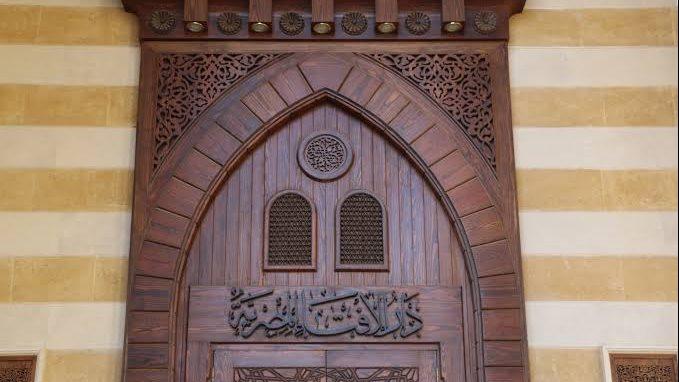
According to the ruling explained by Egypt's Dar al-Ifta, praying in the Rawdah during these times is permissible and is not subject to the same prohibition, even when the prayer is not connected to a specific reason.
The ruling is based on applying the ruling concerning prayer in the Sacred Mosque in Makkah to the Rawdah.
Is Prayer in the Rawdah Permissible During Prohibited Times?
Yes. According to this ruling, a Muslim may pray in the Rawdah during times in which prayer is generally discouraged.
The ruling also includes prayers that are not connected to a specific reason.
This position is based on treating the Rawdah similarly to the Sacred Mosque in Makkah with regard to this particular issue.
What Are the Prohibited or Discouraged Times for Prayer?
Islamic jurists discussed specific periods during which voluntary prayer is generally restricted or discouraged, with differences among the schools regarding certain details.
The main periods include:
After Fajr Until Sunrise
This period begins after the dawn prayer and continues until the sun rises.
From Sunrise Until the Sun Rises Higher
This refers to the period beginning with sunrise and continuing until the sun has risen sufficiently above the horizon.
When the Sun Is at Its Zenith
This is the period when the sun reaches its highest point in the sky, before beginning its descent.
After Asr Until Sunset
This period begins after the afternoon prayer and continues until the sun sets.
During Sunset
This refers to the period in which the sun is setting until the sunset is complete.
Scholars have discussed these periods in detail, including differences concerning their classification and the specific rulings that apply to each one.
Is the Rawdah Exempt From This Ruling?
According to the ruling explained by Dar al-Ifta, prayer in the Rawdah is treated similarly to prayer in the Sacred Mosque in Makkah with regard to this issue.
Therefore, praying in the Rawdah during these times is permissible according to this position.
The ruling is not limited to prayers connected to a particular reason; it also includes prayer without a specific reason.
Why Is the Rawdah Compared to the Sacred Mosque?
The ruling is connected to the special status and virtue associated with both sacred locations.
Based on this consideration, the Rawdah is treated similarly to the Sacred Mosque in this particular legal matter through the principle of analogy.
In Islamic jurisprudence, analogy involves extending a ruling from an established case to another case because of a relevant shared legal basis.
Does the Prayer Need to Have a Specific Reason?
No. According to the ruling discussed here, a specific reason is not required for prayer in the Rawdah during these times.
The prayer is considered permissible whether it is connected to a particular reason or not.
This follows from applying the ruling concerning the Sacred Mosque to the Rawdah in this particular matter.
What Is the Virtue of the Rawdah?
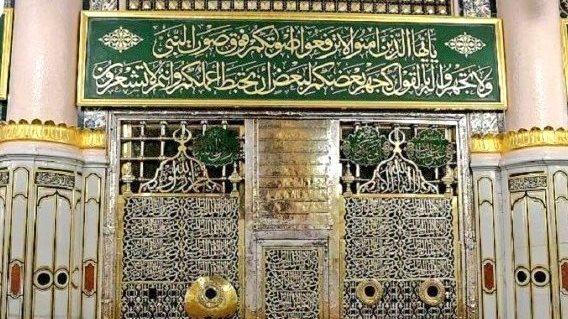
The Rawdah is a blessed area within the Prophet's Mosque.
The Prophet Muhammad ﷺ said:
“Between my house and my pulpit is a garden from the gardens of Paradise.”
For this reason, visitors to the Prophet's Mosque seek to pray, remember Allah, and make supplication in the Rawdah while observing the etiquette of the mosque and avoiding harm or inconvenience to other worshippers.
What If There Are Different Scholarly Opinions?
The rulings concerning times in which prayer is restricted have been discussed extensively by the Islamic schools of jurisprudence, and differences exist regarding some details and applications.
The ruling concerning prayer in the Rawdah during these times should therefore be understood within its specific jurisprudential context.
The position presented here is based on considering the Rawdah analogous to the Sacred Mosque in Makkah for this particular ruling.
Summary of the Ruling
According to the ruling explained by Egypt's Dar al-Ifta, praying in the Rawdah during generally prohibited or discouraged prayer times is permissible, and the prayer does not have to be connected to a specific reason.
This ruling is based on applying the ruling concerning prayer in the Sacred Mosque in Makkah to the Rawdah, while maintaining proper respect for the Prophet's Mosque and avoiding harm, obstruction, or inconvenience to other visitors.
Can I pray in the Rawdah during prohibited prayer times?
Yes. According to the ruling presented here, prayer in the Rawdah is permissible during these times.
Does the prayer need a specific reason?
No. According to this ruling, a specific reason is not required.
What are the main prohibited prayer times?
They include after Fajr until sunrise, around sunrise, at solar noon, after Asr until sunset, and during sunset.
Why is prayer in the Rawdah permitted during these times?
The Rawdah is treated similarly to the Sacred Mosque in Makkah for this particular ruling through legal analogy.
What is the virtue of the Rawdah?
It is a blessed area in the Prophet's Mosque, described in the Prophetic tradition as a garden from the gardens of Paradise.