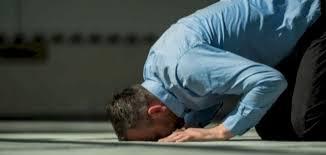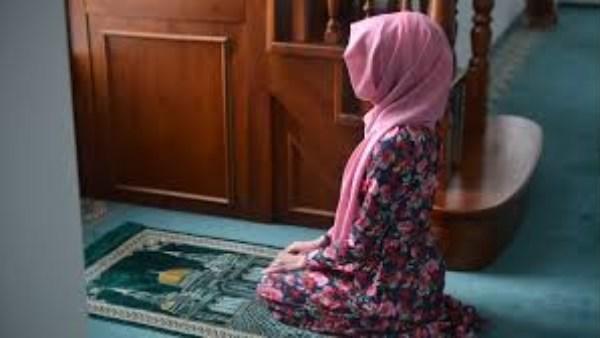

Many women wonder how to perform prayer during pregnancy when standing, bowing, or prostrating becomes physically difficult, particularly during the later months.
Dr. Mohamed Abdel Samee, a Fatwa Committee secretary, explained that there is no religious objection to a pregnant woman praying while seated when pregnancy makes standing, bowing, or prostration difficult for her.
When May a Pregnant Woman Pray While Seated?
If a pregnant woman is able to stand, bow, and prostrate without significant difficulty, she should perform the prayer in the normal manner.
However, if pregnancy causes substantial difficulty with one or more parts of the prayer, she may make use of the religious concession according to her ability.
A pregnant woman may, for example, be able to stand and bow but find prostration difficult. In that case, she can stand and bow normally and perform prostration through an appropriate gesture according to her ability.
Can a Pregnant Woman Pray on a Chair?
If standing becomes difficult because of pregnancy, she may pray while seated, whether on a chair or on the floor, according to what is suitable for her physical ability.
If she can stand without significant difficulty, pregnancy alone does not require her to pray while seated. She should perform the parts of the prayer that she is able to perform normally.
How Should a Pregnant Woman Pray When She Has Difficulty?
The manner of prayer depends on which part of the prayer has become difficult for her.
If She Can Stand and Bow
If the pregnant woman can stand and bow but has difficulty prostrating, she can perform standing and bowing normally and then indicate prostration through a gesture according to her ability.
If Bowing and Prostration Are Difficult
When both bowing and prostration become difficult, she may pray while seated. There is no hardship in taking this concession when performing the normal posture becomes genuinely difficult.
The general principle is that a person performs the prayer according to their ability without imposing excessive hardship on themselves.
Does Pregnancy Alone Allow Seated Prayer?
Pregnancy by itself does not automatically mean that a woman should pray while seated. What matters is her actual ability to perform the required movements.
If she can stand, bow, and prostrate normally, she should pray in the regular manner. If these movements cause significant difficulty, she may pray according to her ability.
Guidelines for Women Praying in Public Places
A woman may sometimes need to pray outside her home while shopping, traveling, or spending time in a public place. In such circumstances, she may perform the prayer as long as the necessary conditions of prayer and modesty are observed.
Dr. Osama Al-Hadidi, Director General of Al-Azhar's Global Center for Electronic Fatwas, explained that prayer has prescribed times and referred to the Quranic statement: “Indeed, prayer has been decreed upon the believers at specified times.”
A Muslim woman should therefore make an effort to perform prayer within its prescribed time while considering the circumstances of the place.
Where Can a Woman Pray in Public?
A woman can choose a location that provides appropriate privacy and modesty. If there is no designated prayer area, she may use a suitable barrier or a more private location that protects her from unnecessary exposure to passersby.
She should also avoid choosing a location that blocks pathways or interferes with the movement of other people.
Can a Woman Pray in a Public Place?
Yes. If an appropriate place is available and the requirements of prayer, modesty, and privacy can be maintained, there is no objection to performing the prayer there.
It is preferable to choose a relatively quiet and suitable location when possible, particularly if excessive noise or movement could interfere with concentration during prayer.
Is It Better for a Woman to Pray at Home?
A woman may choose the place that provides her with greater privacy, modesty, and peace of mind. Islamic teachings include guidance concerning the virtue of a woman's prayer at home.
This does not mean that she is prohibited from praying outside her home. If she is in a public place when prayer time arrives, she may pray in an appropriate location where the necessary conditions are met.
Summary
A pregnant woman may pray while seated if pregnancy causes significant difficulty with standing, bowing, or prostration. If she is physically able to perform these movements normally, she should perform the prayer in the usual manner.
If she can stand and bow but cannot comfortably prostrate, she may perform the movements she can manage and indicate prostration when necessary. The essential principle is to perform the prayer according to one's ability without imposing undue hardship.
Can a pregnant woman pray while seated?
Yes, if pregnancy causes significant difficulty that makes standing or other parts of the prayer difficult for her.
Can a pregnant woman pray on a chair?
Yes, if she cannot comfortably pray while standing because of pregnancy-related difficulty. If she can stand without significant hardship, she should pray standing.
What if a pregnant woman can stand but cannot prostrate?
She can stand and bow normally and indicate prostration through an appropriate gesture according to her ability.
Can a woman pray in a public place?
Yes, provided that an appropriate location is available and the requirements of prayer, modesty, and privacy are observed.
Does a pregnant woman have to pray standing?
If she is able to stand, bow, and prostrate without significant difficulty, she should pray normally. If these movements cause substantial difficulty, she may pray according to her ability.