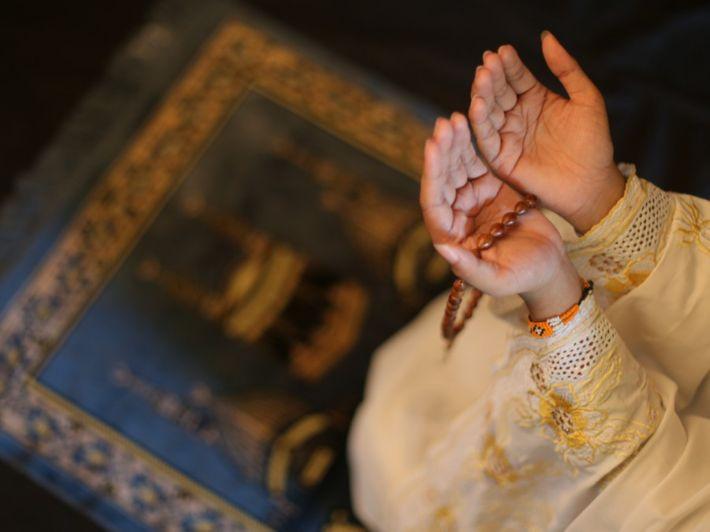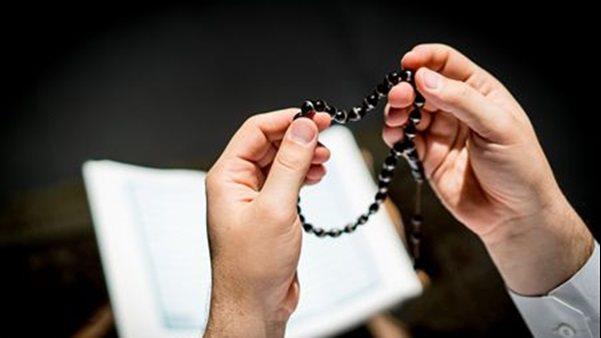

Wudu is not a condition for the validity of post-prayer dhikr. A Muslim may remember Allah, recite tasbih, and seek forgiveness after prayer even when not in a state of wudu.
Egypt's Dar Al-Ifta explained that maintaining purification when performing post-prayer remembrance is preferable and recommended because of the honor of dhikr and because it comes at the conclusion of the prayer.
Therefore, if a person completes the prayer and then performs dhikr without wudu, the remembrance remains valid and there is no sin in doing so.
What Is the Ruling on Post-Prayer Dhikr?
Post-prayer remembrance is among the established Sunnah practices of the Prophet Muhammad, peace and blessings be upon him. Authentic narrations encourage Muslims to remember Allah after the obligatory prayers.
Thawban, may Allah be pleased with him, reported that the Prophet would seek Allah's forgiveness three times after completing his prayer and then say:
“O Allah, You are Peace, and from You comes peace. Blessed are You, O Possessor of Majesty and Honor.”
This narration demonstrates the recommendation of seeking forgiveness and remembering Allah immediately after prayer.
Is Purification a Condition for Post-Prayer Remembrance?
Purification is not a condition for performing dhikr after prayer. A person may remember Allah while in a state of minor or major ritual impurity because dhikr does not generally require purification.
Accordingly, tasbih, praise, declaring Allah's oneness, seeking forgiveness, and supplication may all be performed without wudu.
Why Is Wudu Recommended for Dhikr?
Although wudu is not obligatory for post-prayer dhikr, maintaining purification is recommended and represents a more complete state when remembering Allah.
This recommendation is connected with honoring dhikr, particularly when it serves as the conclusion of prayer. Being in a state of purification allows the worshipper to maintain the dignified state associated with prayer.
Prophetic teachings also indicate that the Prophet remembered Allah in various circumstances, demonstrating the broad permissibility of dhikr.
Can You Remember Allah Without Wudu?
Yes. A Muslim may remember Allah without wudu through tasbih, praise, declaring Allah's oneness, seeking forgiveness, and supplication.
Aisha, may Allah be pleased with her, reported:
“The Prophet used to remember Allah at all times.”
This indicates that remembrance is not dependent on wudu, although purification remains a recommended state when engaging in dhikr.
What Should Someone Do If Their Wudu Ends After Prayer?
If a Muslim completes the prayer and subsequently loses wudu, there is no need to perform wudu again simply to complete the post-prayer remembrance.
The person may continue with the established post-prayer dhikr, including seeking forgiveness and reciting the recommended remembrances.
Renewing wudu remains recommended when it is easy to do so, but it is not required for the validity of the remembrance.
Is Maintaining Purification Recommended for Dhikr?
Yes. Maintaining purification while remembering Allah is recommended, even though it is not a requirement for valid dhikr.
A narration concerning Al-Muhajir ibn Qunfudh indicates that the Prophet did not respond to his greeting while urinating until he performed wudu, after which he explained that he disliked mentioning Allah except while purified.
This supports the recommendation of purification for dhikr while preserving the general permissibility of remembering Allah without wudu.
The Difference Between a Condition and a Recommendation
There is an important distinction between something being a condition and something being recommended.
A condition is necessary for an act of worship to be valid when the law requires it. A recommended act, however, brings additional virtue but does not invalidate the worship if omitted.
For post-prayer dhikr, purification is not a condition for validity. It is instead recommended and represents a more complete state when performing the remembrance.
Conclusion
A Muslim may perform post-prayer dhikr without wudu, and there is no problem with doing so because purification is not a condition for the validity of remembrance.
At the same time, maintaining purification while performing post-prayer dhikr is recommended and preferable, as it reflects respect for remembrance and allows the worshipper to conclude the prayer in a state of purity.
Is wudu required for post-prayer dhikr?
No. Wudu is not required for post-prayer dhikr, and a Muslim may remember Allah, perform tasbih, and seek forgiveness without purification.
Can I perform tasbih after prayer without wudu?
Yes. Tasbih, praise, declaring Allah's oneness, and seeking forgiveness may all be performed after prayer without wudu.
Is purification recommended for post-prayer dhikr?
Yes. Purification is recommended and preferable when performing post-prayer remembrance, but it is not a condition for its validity.
What should I say after prayer?
Among the established remembrances is seeking Allah's forgiveness three times and then saying: O Allah, You are Peace, and from You comes peace. Blessed are You, O Possessor of Majesty and Honor.
Can Allah be remembered in different circumstances?
Yes. The Prophet's example demonstrates that Allah may be remembered in many circumstances, and dhikr is not generally restricted to a state of wudu.