Ruling on Seeking Refuge from Punishment During Prayer When Reciting Warning Verses
Learn the ruling on seeking refuge from punishment during prayer when reciting verses of warning, according to Egypt’s Dar Al-Ifta and major scholars.
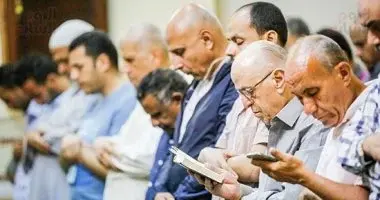

Egypt’s Dar Al-Ifta addressed an important question frequently asked by many Muslims regarding the ruling on seeking refuge from punishment when passing by verses of warning during prayer or while listening to them, especially for those striving to achieve deep focus and reflection during recitation.
Dar Al-Ifta’s Opinion on Seeking Refuge in Prayer
Dar Al-Ifta clarified that it is recommended for a Muslim to seek refuge from punishment when passing by verses that contain warnings, whether during prayer or outside it, based on the Prophet’s practice of interacting with Quranic verses during recitation.
Evidence from the Sunnah
It was reported from the companion Hudhayfah (may Allah be pleased with him) that he prayed with the Prophet ﷺ, who would recite calmly; when he passed a verse of glorification, he glorified Allah, when he passed a verse of supplication, he asked, and when he passed a verse of seeking refuge, he sought refuge.
Scholarly Opinions on the Issue
Hanafi and Maliki View
The Hanafi and Maliki schools consider it disliked to seek refuge during obligatory prayers when passing verses of punishment, but permissible in voluntary prayers, with some recommending it for individuals praying alone.
Shafi’i and Hanbali View
The Shafi’i school and a narration from the Hanbali school consider it recommended for every reciter, whether in prayer or outside, and whether one is an imam, follower, or praying alone.
When Is Seeking Refuge Recommended?
At Verses of Punishment
It is recommended to seek refuge in Allah from punishment when encountering verses of warning.
At Verses of Mercy
It is recommended to ask Allah for His mercy and blessings when encountering verses about Paradise.
At Verses of Glorification
It is recommended to glorify and exalt Allah when encountering verses describing His greatness.
The Preferred Opinion
Dar Al-Ifta favored the opinion that seeking refuge from punishment when passing verses of warning during prayer is recommended in all cases, following the practice of the Prophet ﷺ.
Impact on Prayer Focus
This practice enhances concentration and reflection, allowing the worshipper to deeply engage with the meanings of the Quran and strengthen their spiritual connection.
Conclusion
Seeking refuge from punishment during prayer when reciting warning verses is a recommended act that does not invalidate prayer. It is among the practices that increase mindfulness and reflection, despite the presence of differing scholarly opinions.
Is seeking refuge during prayer obligatory?
No, it is recommended but not obligatory.
Does it invalidate the prayer?
No, it does not invalidate the prayer as it is a form of remembrance.
Is it allowed in obligatory prayers?
Yes, according to the preferred opinion, it is allowed and recommended.
What should be said at verses of punishment?
You can say: "I seek refuge in Allah from punishment" or similar supplications.
Does this apply to all worshippers?
Yes, it applies to the imam, follower, and individual alike.

Learn about the authentic evening adhkar from the Sunnah, their virtues, recommended repetitions, and how they bring protection, peace, and blessings.

Ruqyah Shar’iyyah is one of the Islamic methods of seeking healing and protection through Quranic verses and prophetic supplications. Learn its correct method, verses, and duas.

Learn the dates of the White Days of Safar, the virtues of fasting them, why they are called the White Days, and the Islamic teachings regarding this recommended Sunnah.

Discover the complete story of Prophet David (Dawood) in Islam, including how he became both a king and a prophet, his miracles, his devotion to worship, and his remarkable life according to the Quran and authentic Sunnah.
